Delve into the world of health recovery coaching, where dedicated professionals offer compassionate guidance and practical strategies to individuals navigating complex health challenges.
These coaches specialize in diverse areas such as eating disorders, addiction recovery, and chronic illnesses, providing personalized support that extends beyond traditional treatment approaches.
Through their unique blend of personal experience and professional expertise, they empower clients to embark on transformative journeys towards healing and well-being, fostering resilience and profound positive change along the way.
Do you think you or a coach that you know deserves to be featured as a top health recovery coach? If yes, then fill out this form and we will consider your application and get in touch with you for the next steps.
In Brief : The Top Health Recovery Coaches
Emily Adams - Emily Adams is a certified eating disorder recovery coach whose personal journey fuels her passion for helping others overcome their struggles with disordered eating.
ChristaBidgood - Christa Bidgood, armed with qualifications in addiction counseling and psychosocial counseling, employs a transformative technique rooted in scientific principles to facilitate profound life changes for her clients.
MichaelWalsh - Michael Walsh's journey from addiction and self-destructive behavior to sobriety and redemption informs his work as a recovery coach.
SuePierce - Sue Pierce's personal battle with liver disease and subsequent journey to recovery form the foundation of her work as a health recovery coach.
CarolineMosha - Caroline Mosha specializes in recovery coaching for women dealing with alcohol
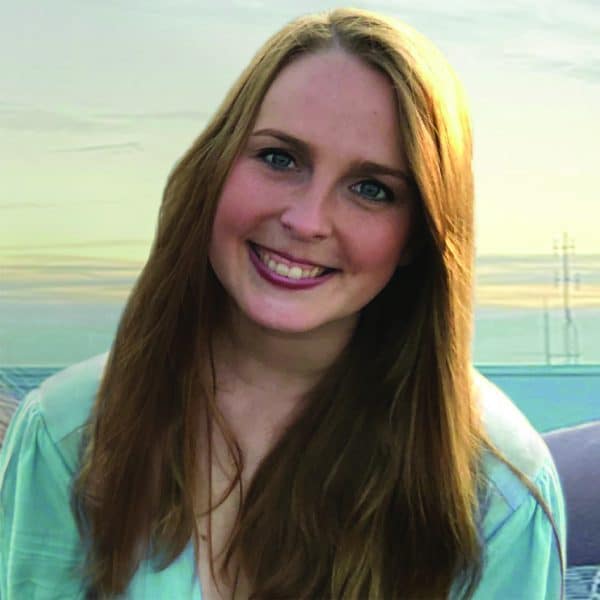
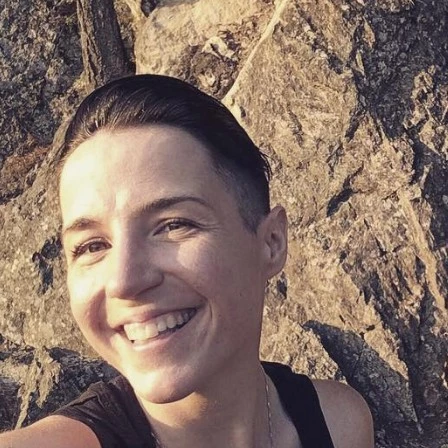
Emily Adams
Emily Adams (she/her) is a Carolyn Costin Institute certified eating disorder recovery coach. Emily’s private practice coaching business, Emily Adams Recovery Coaching LLC, is based in Boston, Massachusetts and serves clients all over the world. Having recovered from her own eating disorder, Emily is deeply passionate about giving back and helping others do the same.
What do you do differently or how is your coaching different from others?
As a coach working specifically with clients struggling with eating disorders and disordered eating, I aim to fill some of the gaps within the traditional eating disorder treatment field. In contrast to the incredible eating disorder therapists who meet with clients periodically to treat the struggles underlying their disorders, I support clients through the practical, day-to-day changes to their food-related thoughts, beliefs, and behaviors. I text clients between sessions, eat with them, and accompany them to places like food and clothing stores. As appropriate, I also share my own experiences of disordered eating and recovery.
What according to you has been the single most important thing that has contributed to your success as a coach?
In recovery from eating disorders, we always have parts of ourselves that want to heal and parts of ourselves that don’t. I aim to serve each of these parts of my clients equally, with presence, respect, understanding and empathy. This helps me facilitate communication between clients’ different parts, and ultimately, clients heal themselves. I am just there to guide and challenge them through the process.
ChristaBidgood
Having qualified in a Diploma of Professional Addiction Counselling and Psychosocial Counselling, I have developed a technique based on the scientific phenomenon of transformation and life change all of which helps my clients to reprogram their thinking and emotions for amazing and astonishing results.
After developing a family alcoholism and addiction consulting/ mentoring technique, (including mental health conditions) I experienced the results of long term sobriety and recovery along with family life changes, the unification of separated couples, children to parents, employees to employers. This technique I developed from my 30 years of personal family recovery, 12 step programs, building and running a treatment (Gesundheit) home. This provided the endless hours of research, development and lived experience, along with dual diagnosed (mental illness) (psychosocial) alcoholics, addicts and families, all of whom participated in the development of this technique.
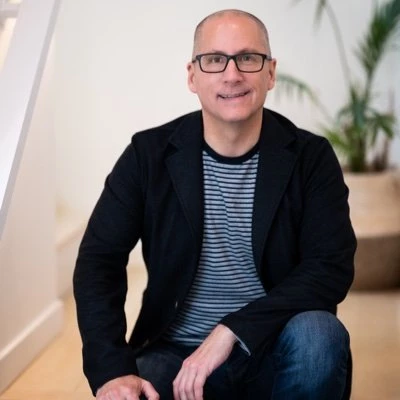
MichaelWalsh
I've done the all-nighters, sometimes several days in a row. I was often the last one up. I've experienced blackouts, trauma, job losses, financial difficulties, brushes with the law, and I hurt many people. I hid, justified, and lied about my problematic drinking and cocaine use. I lived a double life with cover ups, irritability, anger, sadness, and depression.
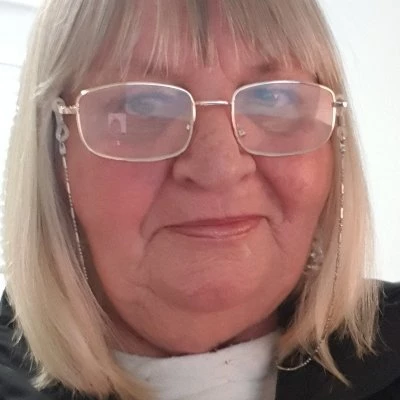
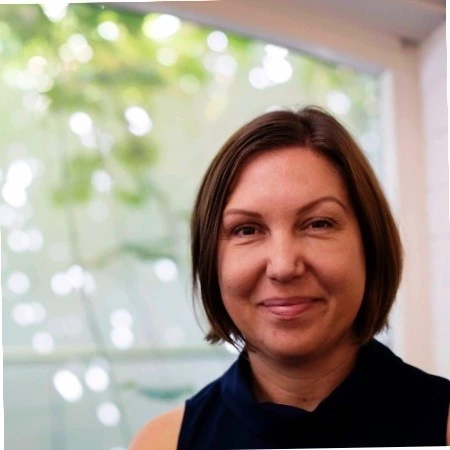
SuePierce
I was only 22 years old when I first learned I had liver disease, namely, cirrhosis from an unknown cause. I was in complete shock. My perception of liver disease, due to social stigma and vast mis-information, was that liver disease was solely reserved for lifelong heavy drinkers, majoritively, men over the age of 60.
The diagnosis didn't make sense to me and furthermore, I didn't like it so I chose to, well, kind of pretend I didn't have a damaged liver. I was able to get away with this for quite some time but, after a very difficult year and a heavy dose of stress and self-medication, I found myself in the hospital with acute liver failure. I was severely jaundiced. I had limited cognitive function. I could barely stand from fatigue. I was 33 and I was given a 50% chance of surviving the next 3 months.
CarolineMosha
Specialising in recovery coaching for women in a myriad of stages of recovery from alcohol abuse, especially those who may know they have an issue with alcohol, but seem to have it all together to the outside world. With lived experience, I know that each person’s recovery journey is different and I help clients to create their own individual recovery toolbox.
I personally found sobriety in 2016 and strongly believe in the healing power of connection in recovery and that one must lean on the support of others to truly heal. Not only do I personally understand what it is like to be in recovery and experience the recovery journey, I also have the education and skills to help you.I offer individual and group coaching sessions, nutrition advice & workshops and retreats.
Conclusion
Explore the profound impact of personalized health recovery coaching as these dedicated professionals share their stories and strategies for supporting clients through adversity.
Whether facing eating disorders, addiction, or chronic illnesses, their holistic approaches highlight the potential for healing and growth, offering hope and inspiration to individuals seeking a path to lasting well-being and recovery.
Our highest-rated course lays the necessary foundations for this for you. This is a paid course but you can register for FREE for a limited time here.
Do you think you or a coach that you know deserves to be featured as a top health recovery coach? If yes, then fill out this form and we will consider your application and get in touch with you for the next steps.