
Wheel of Life for Coaching: The Ultimate Guide
Last updated: March 2026
WHEEL OF LIFE FOR COACHING
The Ultimate Guide
This is the ultimate guide to the Wheel of Life with everything you need to know to use it effectively and powerfully in your coaching practice.
So, if you want to:
- Become an expert in using the Wheel of Life
- Use it to effectively coach your clients
- Customize the wheel for even more powerful results
- Establish long and meaningful relationships with your clients
Then you’ll love this comprehensive guide.
Let’s get started.

Contents








Chapter 1:
The Fundamentals
In this chapter, I will cover the fundamentals which would be necessary as we go deeper into using this tool.
These basics include what the Wheel of Life is and what it helps with, its origin, basic structure, effectiveness and why it appeals so much to clients.
Let’s get started.

What is the Wheel of Life?
The Wheel of Life, alternatively known as the ‘Life Wheel’, ‘Life Balance Wheel’ or ‘Coaching Wheel’, is a visual tool that helps you assess where you stand in the various important areas of your life with the end goal of identifying which areas need to be worked on so as to achieve a holistic balance in life.
This assessment tool draws up the most important sections of your life and lets you analyze them individually, and as a whole.
The origin
The idea was conceptualized in the 1960s by Paul J. Meyer, who is considered to be a pioneer of the self-improvement industry.
Meyer’s purpose behind forming this tool was to help people achieve their goals through a systematic process.
The structure of a common Wheel of Life
As the name might suggest, the Wheel of Life is shaped like a wheel or a circle, which is further divided into 8 to 10 sections or categories.
These sections are areas considered crucial in leading a harmonious, well-balanced life.
These sections can vary, but usually consist of life areas such as career, relationship, health, finances, family etc.
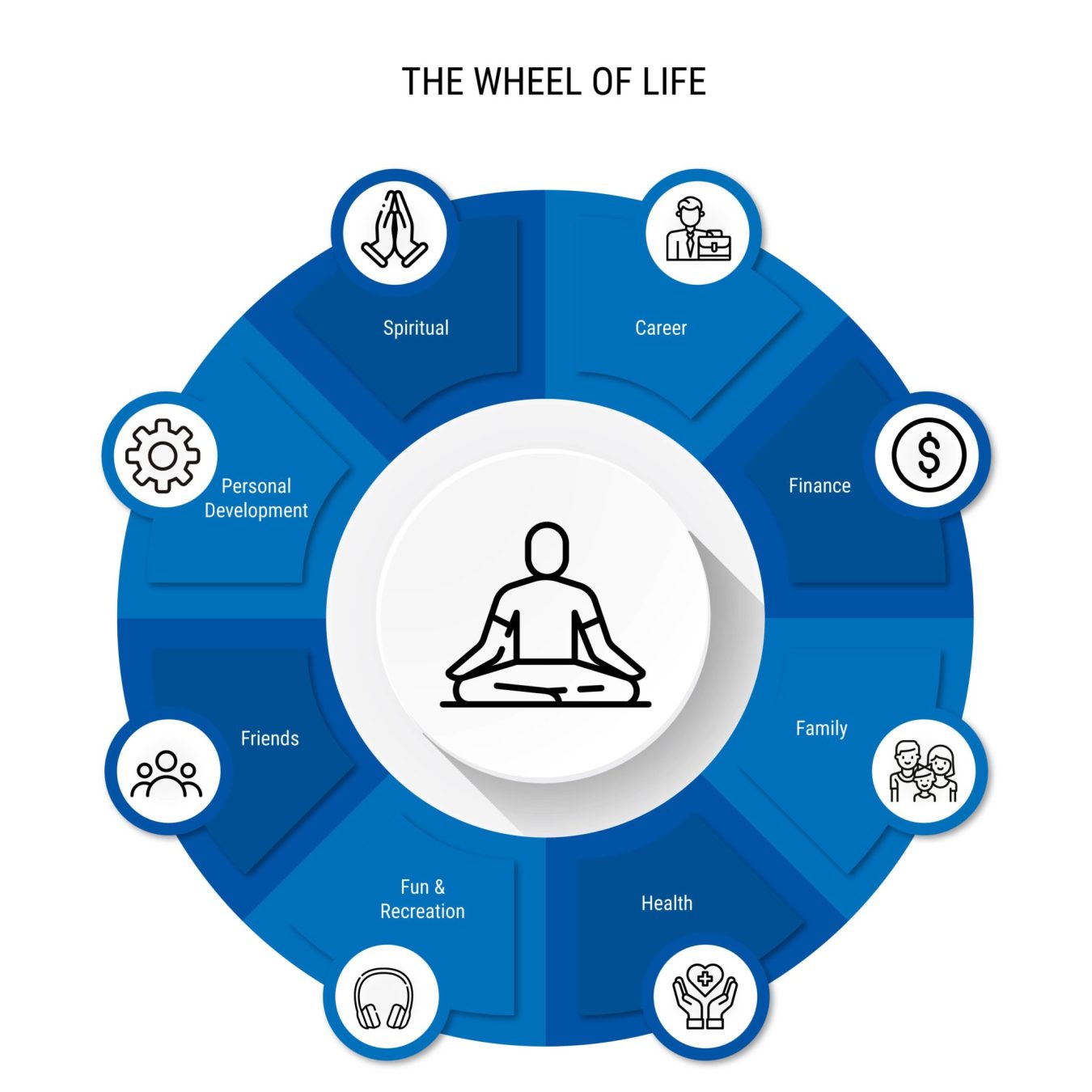
Each of these sections are allotted a score by the test-taker, which are then compared to his/her ideal score for the category.
This provides a visual contrast between the current reality and the desired reality.
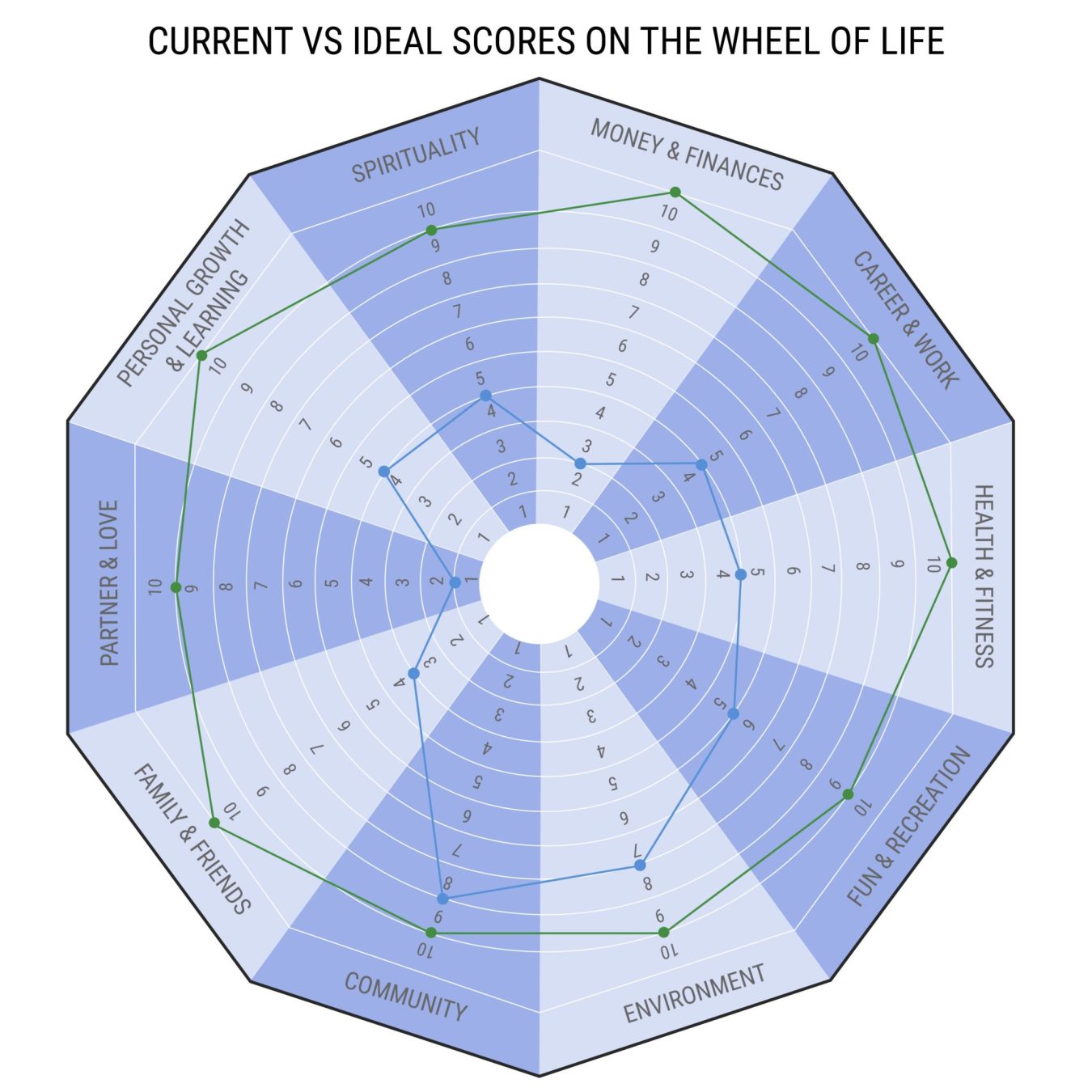
For example, in a regular Wheel of Life, if your client’s current score in ‘family’ is a 5 and their ideal score is a 10, this exercise will help them recognise this gap and subsequently fill it.
Why it works
The effectiveness of the Wheel of Life lies in its simplicity. Instead of throwing complicated assessments with incomprehensible jargon at clients, this coaching tool relies on a simple visual pattern.
Its practicality and flexibility makes it a highly functional tool for life coaching, where clients can assess needs, set goals, and follow through with a credible action plan.
Why clients can’t get enough of it
The Wheel of Life empowers clients because it gives them an instant overview of their life – one that they can understand, analyze, and improve upon.
By showing them areas of their lives that they are doing well in as well others that need more work, the tool puts the reins of their lives in their own hands.
Moreover, the symbol of a wheel plays an important part in suggesting movement, balance, and the chance to steer one’s life in the correct direction. It appeals to clients on a subconscious level because of this symbolism.
Chapter 2:
How to use the Wheel of Life to accurately analyze life
The Wheel of Life is a simple tool that can be used to examine your client’s current life and compare it with the one they want for themselves.
It can help you spot gaps in their life, which they can fill by changing certain behavioural patterns.
This chapter will give you everything you need to know to effectively use the Wheel of Life in your coaching.

Selecting categories
As mentioned before, a regular Wheel of Life has 8 to 10 categories. These may vary from client to client, depending on their individual needs. As a rule, each one should be holistic equivalent to the other categories and thoughtfully curated.
Here are some common categories used in Wheel of Life:
- Career/Studies/Business – This is applicable to employees, students, and entrepreneurs respectively. Work and/or studies are constantly on an individual’s mind, and take up a huge chunk of their life.
- Money – This includes income, expenditures, and the importance of finances.
- Health – This includes the physical, emotional, mental, and psychological well-being of the client.
- Love – This represents different things for people who are single and in a relationship. If the client is in a relationship, then this represents their satisfaction with their partner. However, the absence of a relationship does not amount to a zero in this category.
- Family – This is indicative of a person’s relationship with different family members and how it impacts them.
- Friends – This represents their social circle and the strength of the bonds they share with their friends.
- Spirituality – Do note that this doesn’t have anything to do with religion. Spirituality is the bond one shares with the Universe. It can mean the search for meaning, God, or a purpose.
- Recreation – This includes your client’s hobbies and passions, and the ability to nurture them outside of work.
- Self-image – A person’s body image and confidence come into play here.
- Personal growth – This category revolves around self-development and learning.
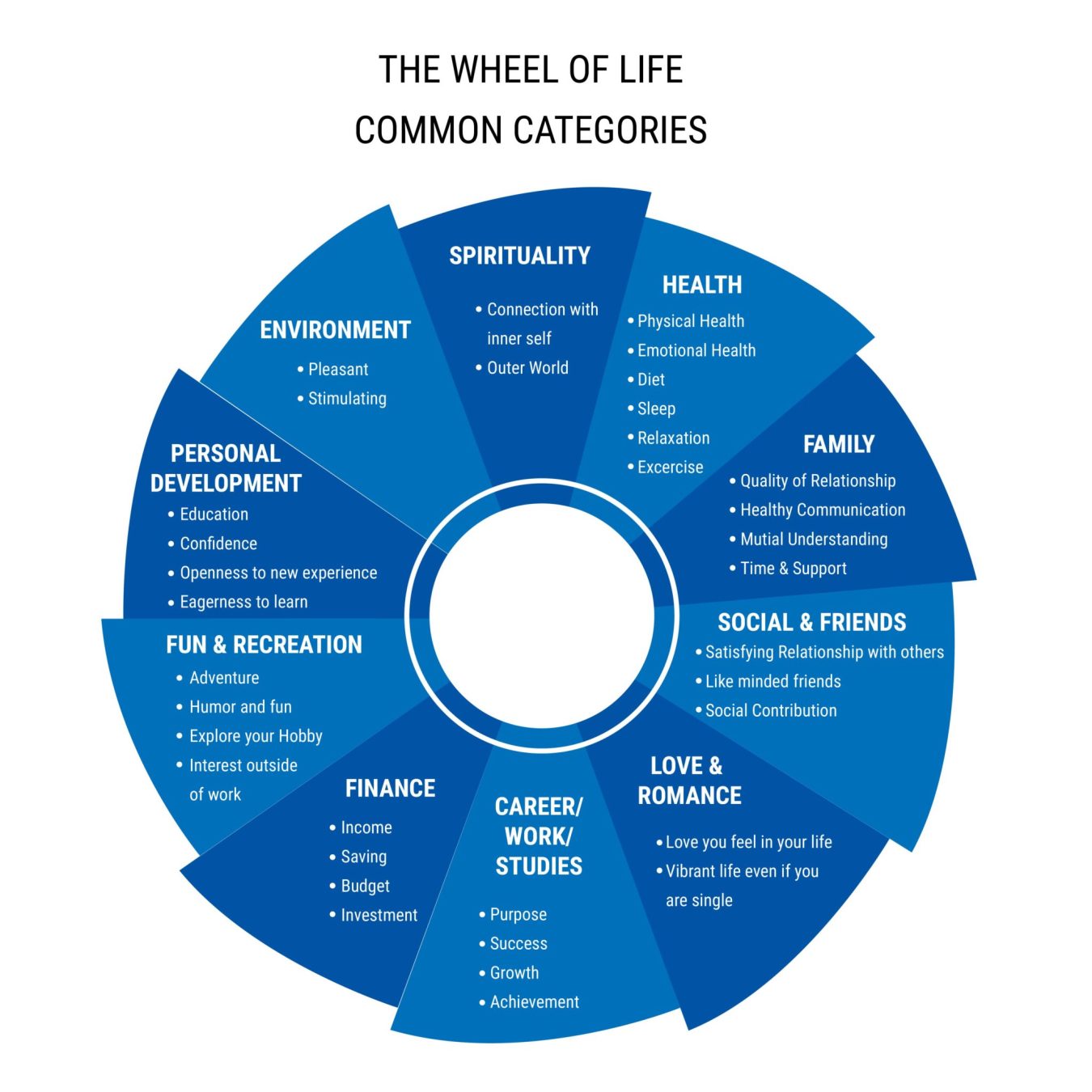
According to your client’s particular needs, you can include less common categories like community, environment, productivity and performance, contribution and leadership etc.
The Pre-Prep
Before your client begins assigning a score to each category, you need to make sure they are in the right mindset for self-assessment.
This is important because for the exercise to be fruitful, the test-taker must be honest with themselves and willing to change existing habits.
Moreover, they should understand the purpose of the exercise and not be conscious of the results.
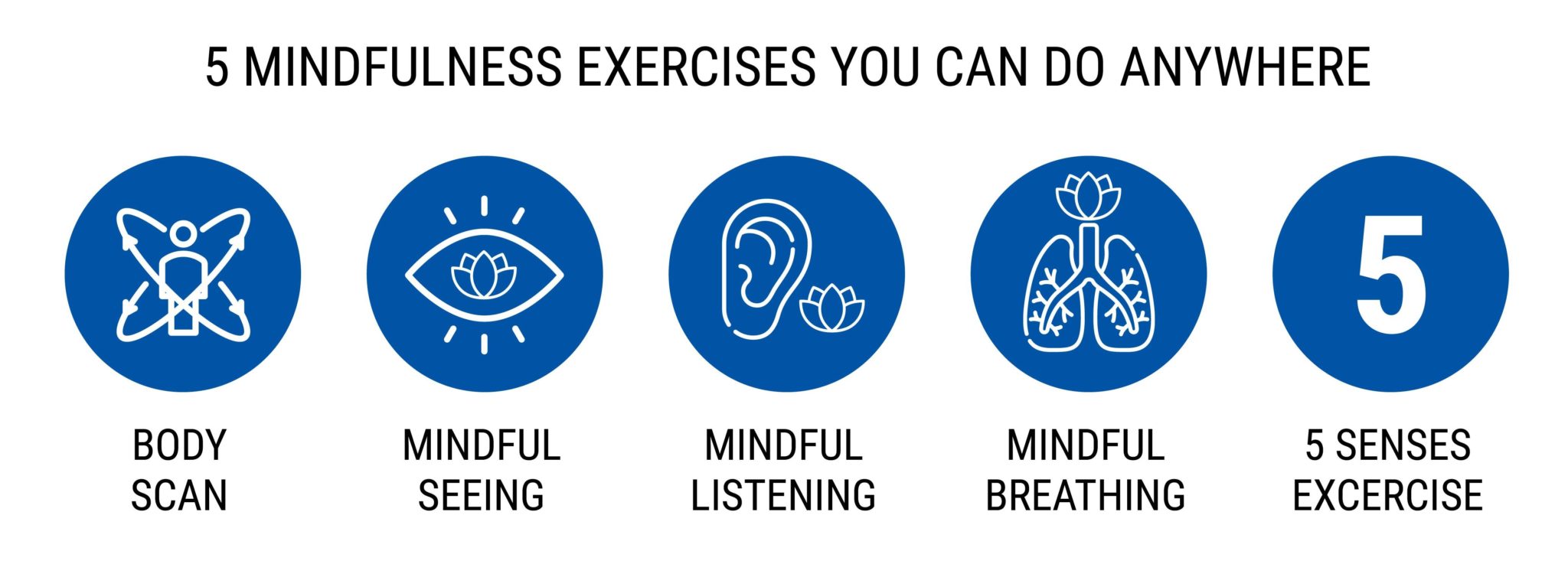
A short mindfulness session can help with this. You can make use of exercises such as a short meditation session, breathing exercises, or simply asking your client to calmly observe their thoughts for a few minutes.
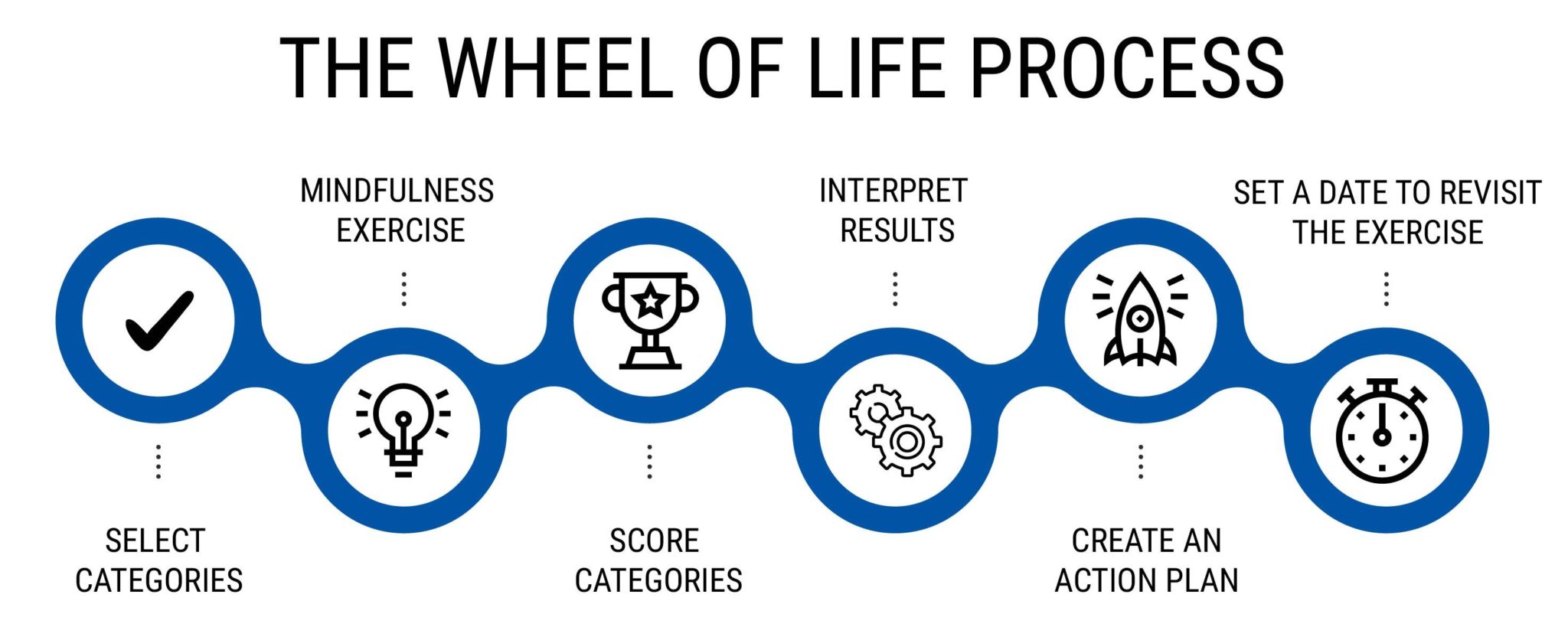
Scoring categories
It is recommended that you ask your client certain questions pertaining to each category, so that they are able to reflect before answering.
For example, in ‘career’, questions could range from ‘Do you see yourself growing here in the next 5 years?’ to ‘Do you like your work environment?’
In ‘love’, possible questions could be ‘Are you free from past resentments from previous relationships?’, ‘Do you feel respected in your relationship?’, ‘Are you willing to risk your emotions for love?’ etc.
When devising these questions, make sure that you keep them to the point and non-invasive. Your client should not feel attacked by questions such as ‘Do you want to leave your partner?’ etc.
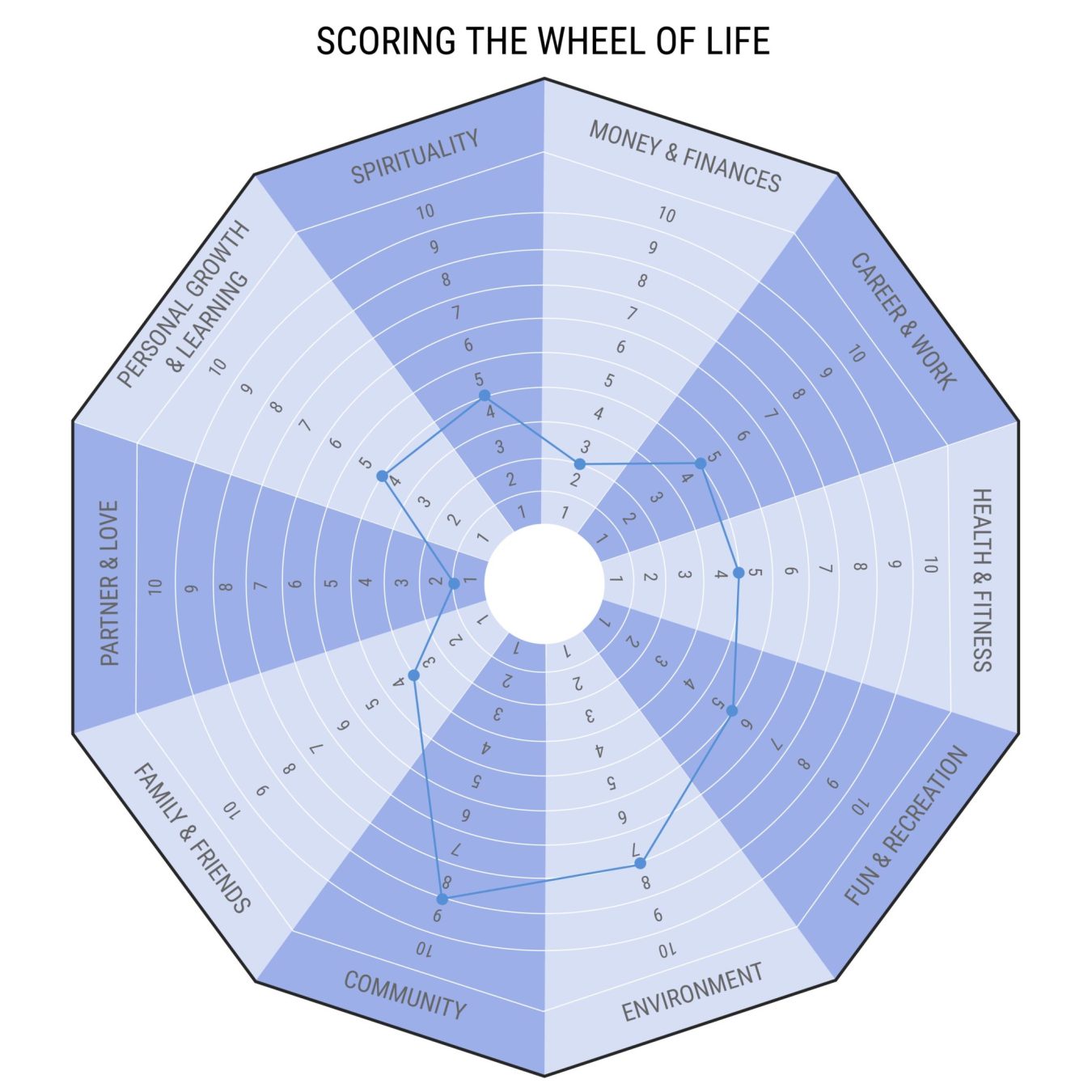
Once your client is ready, ask them to allot a score between 0 to 10, depending on their level of satisfaction in each of the categories.
So, if your client is extremely satisfied with an aspect of their life, such as ‘career’, they can give themselves a high score closer to 10.
On the other hand, if they are dissatisfied with an aspect such as ‘love’, they can allot it a score closer to 0.
An average level of contentment would mean that their score falls around the middle of the scale.
This amounts to their current score in each segment.
With each segment scored, you now join the dots as shown in the image.
The Ideal Wheel of Life
Once your clients have scored their current situation for the different sections, you now ask them to create their ideal wheel of life.
For this, ask them to give their ideal score for each section in the same wheel.
The question to ask here is, how they want their life to look like in each category.
One important thing to note is that your client’s ideal wheel need not have a score of perfect 10 in every category for optimum balance for them.
For example, someone may not want to be very spiritual. They may prioritize family over spirituality, and while they would be okay with a score of 6 or 7 on spirituality, they'd want a perfect 10 on family.
Now join the dots on their ideal scores.
This is how it will look with both the scores on the wheel.
Chapter 3:
Interpreting the results without a bias
Now that the wheel has been filled out, sit down with your client to interpret the results.
The outcome of the Wheel of Life is fairly easy to interpret due to the simplicity of the tool.
This chapter on interpretation shows you how you can master it without difficulty.

Individual sections vs. the full circle
When you have the Wheel of Life in front of you, start by analyzing each aspect of your client’s life. How did they do in each section?
Once you have a fair idea of each of the 8 to 10 aspects, move on to looking at the wheel as a whole. Is it looking balanced or crooked?
You might notice the emergence of different shapes when interpreting the wheels of various clients. The next section explains how you can interpret them correctly.
The different shapes of the Wheel of Life
Because each client and their life is different, every Wheel of Life you come across will vary.
Here are a few shapes that may present themselves once the wheel has been filled out.
One general rule to interpret these shapes is – the broader the web, the better the outcome
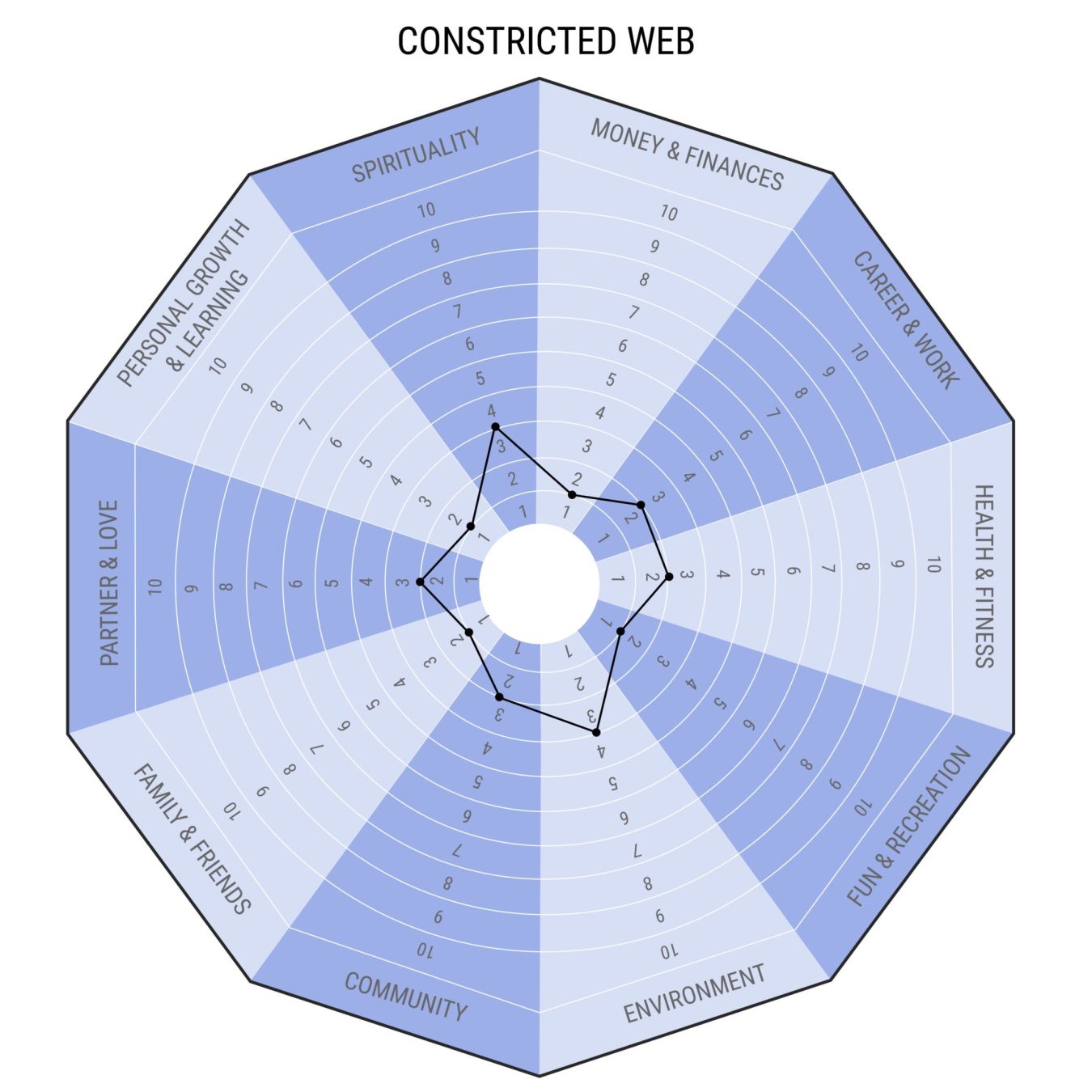
- A Constricted Web
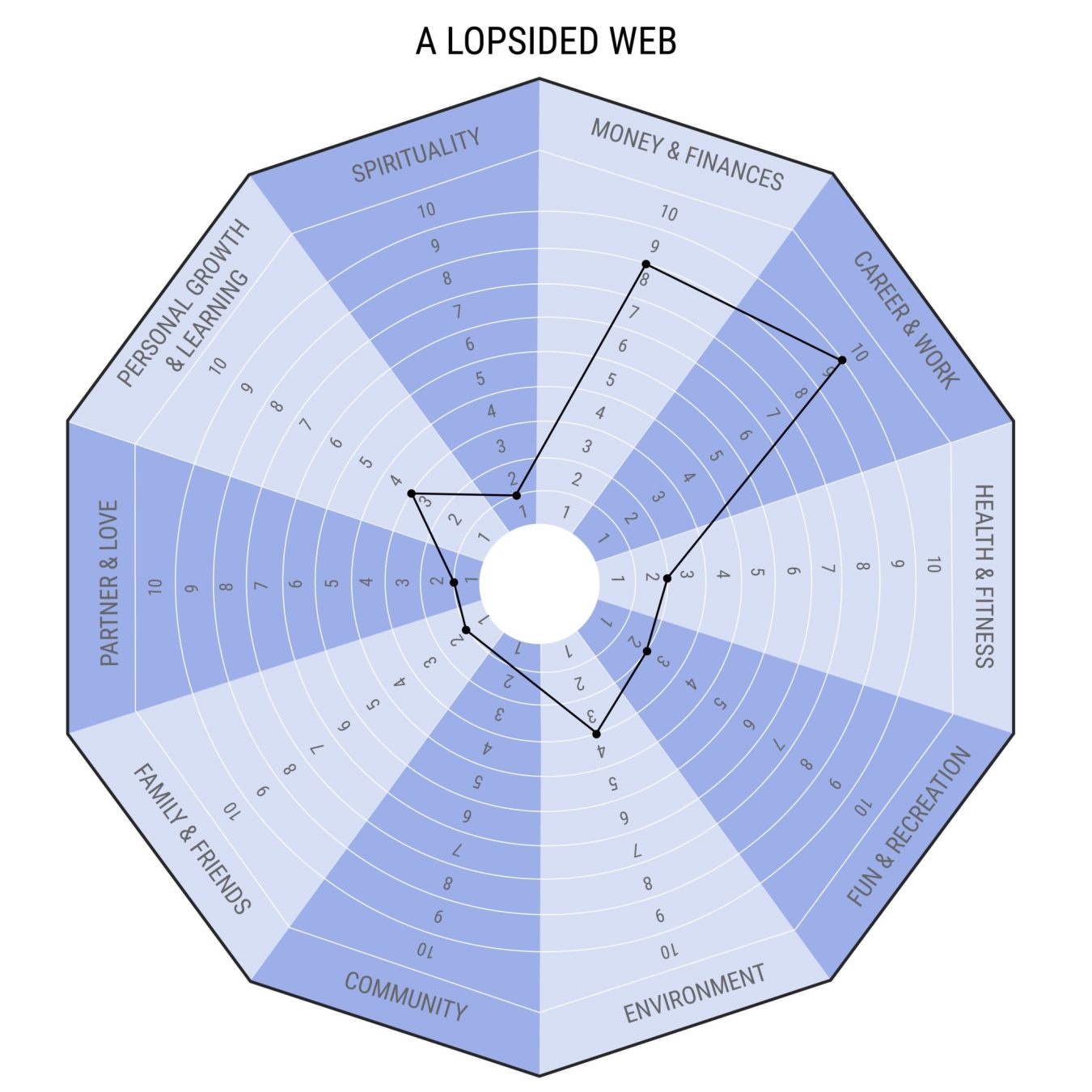
- A Lopsided Web
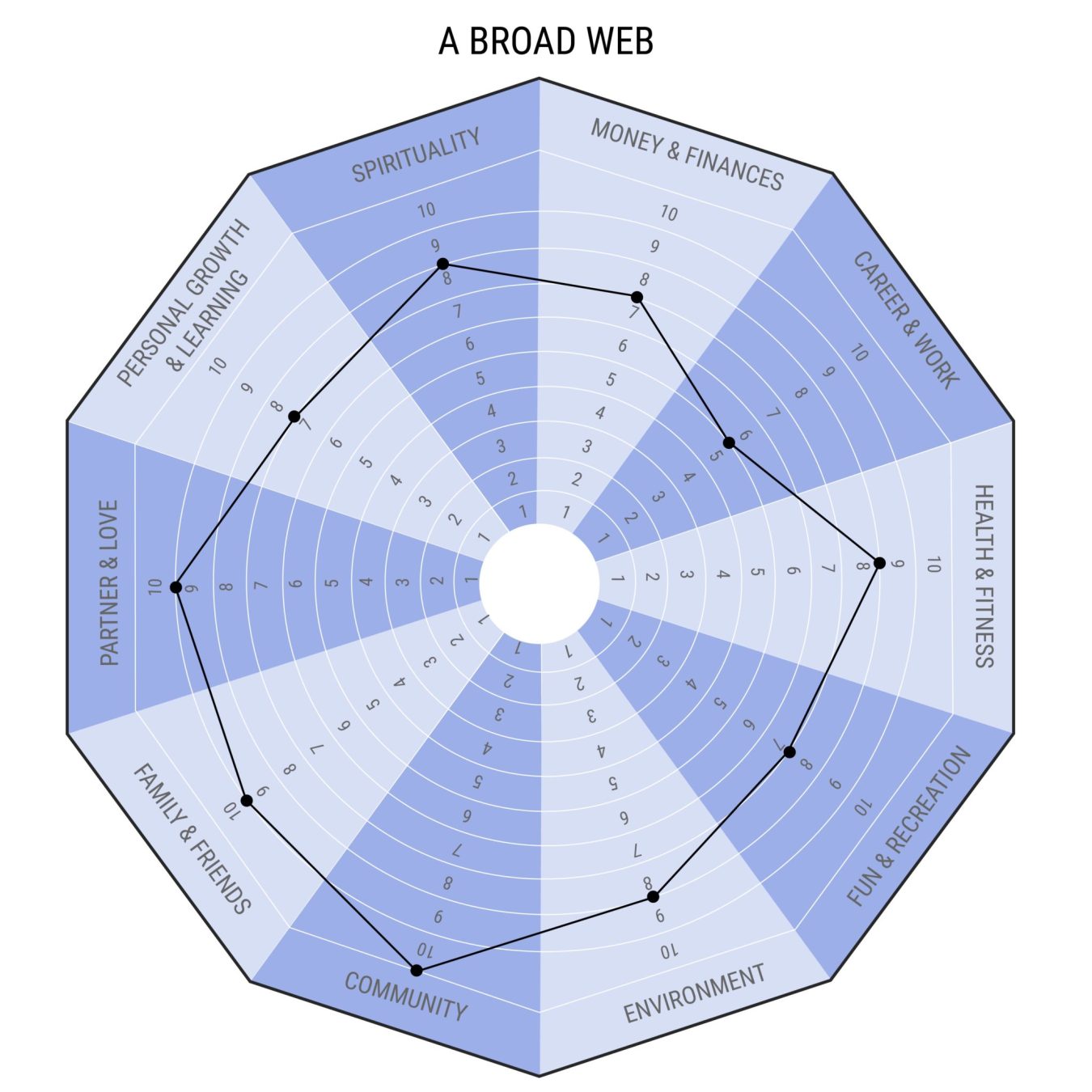
- A Broad Web
This broad web with high scores in almost all categories is an indication that your client is leading a decently well-balanced life. However, there is still scope for improvement. Be careful of two traps that people can fall into with this shape:
- Self-complacency trap – This is when someone scores themselves highly, believing there’s no more room for growth.
- Self-contentment trap – This trap represents the false sense of happiness that a person cultivates for themselves, despite troublesome issues in their life.
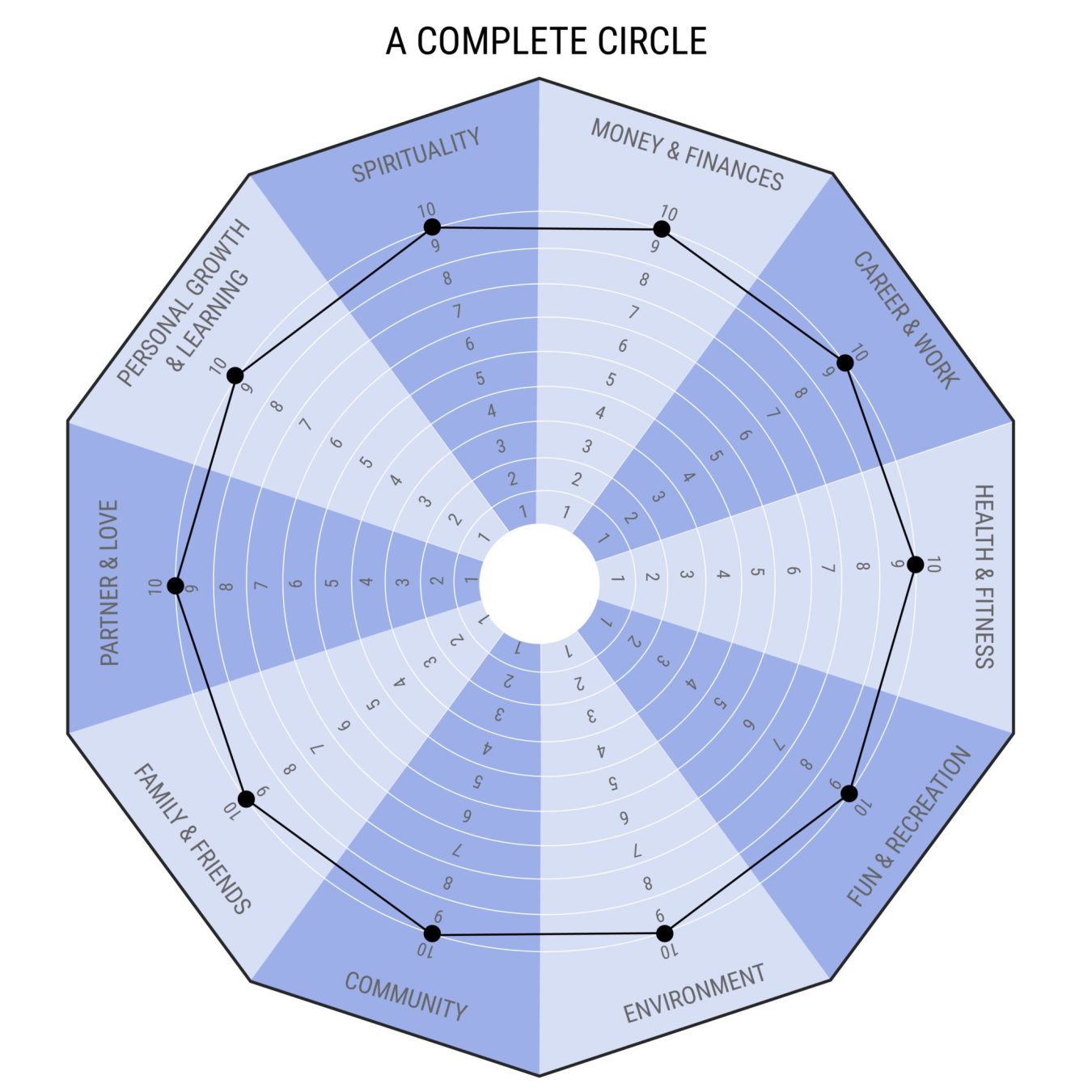
A BROAD WEB - A Complete Circle
- How does your wheel make you feel about your life?
- Does anything surprise you in particular?
- Why do you think this area needs attention?
- What can you do to achieve your ideal score in this category?
- What small step can you take to kick-start the process?
- How can your life accommodate these changes going forward?
- Which category do you want to improve upon the most?
- What kind of support do you need from your loved ones to make changes to your life?
- List a few activities that will help with these goals in each category.
- Prioritize these activities and set deadlines for them.
- Set some milestones as well.
- Figure out what resources you will need.
- Find a running buddy.
- Decide on a specific time for running.
- Buy a pair of running shoes.
- Start sleeping on time.
- Join a running group.
- Join a gym to cross-train.
- Run a 5k race in one month.
- Run a 10k race in two months.
- Run a half marathon in three to four months.
- Buy all the gear needed for a marathon.
- With a potential client – New clients may neither have the clarity to know what they want help with, nor the trust to fully open up to you. This tool acts as a trust building exercise, while also highlighting the issues in your client’s life.
- As a ‘check-in’ – Just like patients visit doctors for regular check-ups, clients can visit you for a life ‘check-in’ every now and then to keep a tab on their progress.
- During workshops – This is also a great tool to use in workshops with students or employees of an organization, and acts as a wonderful introduction to life coaching.
- In a welcome kit – You can throw in a blank Wheel of Life assessment sheet in a welcome kit crafted for new clients.
- As a diagnostic exercise – When your client is unsure of what is causing them stress or unhappiness, you can use this tool to zero in on the root problem.
- As a customized solution for different problems – You can customize the Wheel of Life to fit pretty much any field your client is struggling with, like relationships, business, etc. I’ll explain how to do this in detail later on, in chapter seven.
- Choose trajectory over status: When scoring the categories, encourage your client to focus on the trajectory.
If things are moving in the right direction in a particular category, it would require a higher score, even if there is scope for improvement.
For example, they might allot a score of 7 in ‘love’ even if they are single, as long as they feel like they are ready to put themselves out there.
- Go with the instinct: Encourage your clients to fill out each category instinctively, rather than spending too much time on them.
- Expect too much or idealize the wheel: At the end of the day, this is just a quiz.
Instruct your clients to not weigh all their hopes and dreams on the success and shape of their wheel. - Don’t overthink definitions: Don’t let your clients get caught up with the dictionary definitions of each category. Let them define it for themselves.
- Don’t forget about the scale or dynamics in play: This tool does not take into account the scale of life. It also doesn’t do well with dynamics.
For example, what you may feel about your job after a bad day may be very different from how you would feel if you get a promotion tomorrow.
So, keep this in mind while coaching your clients. - Email a digital copy of the wheel and ask them to print it out.
- Once they have it in front of them, guide them on how to fill it over the phone or a video call.
- When they’ve filled it out, ask them to take a snapshot of the sheet or scan it and send it back to you.
- Once they do that, you can assess their wheel of life together over the phone or video call and come up with an action plan, just like you would in a physical session.
- Print out a blank customizable version of the wheel. (You can find a download link in the resources)
- Zero in on the theme your client wants to target for this exercise, and write the title on top of the wheel. For example, if your client wants to work on the relationship with their children. It could be called the Wheel of Parenting.
- Now, brainstorm with your client to come up with 8 to 10 categories under this theme. In a parenting wheel, these could range from discipline, a stable home environment, connected relationships, etc.
- Next, ask your client to score each of the categories between 1 to 10, depending on their satisfaction levels.
- Once you’ve joined the dots and analyzed the shape of the wheel, you can examine each category deeply and come up with an action plan for the future.
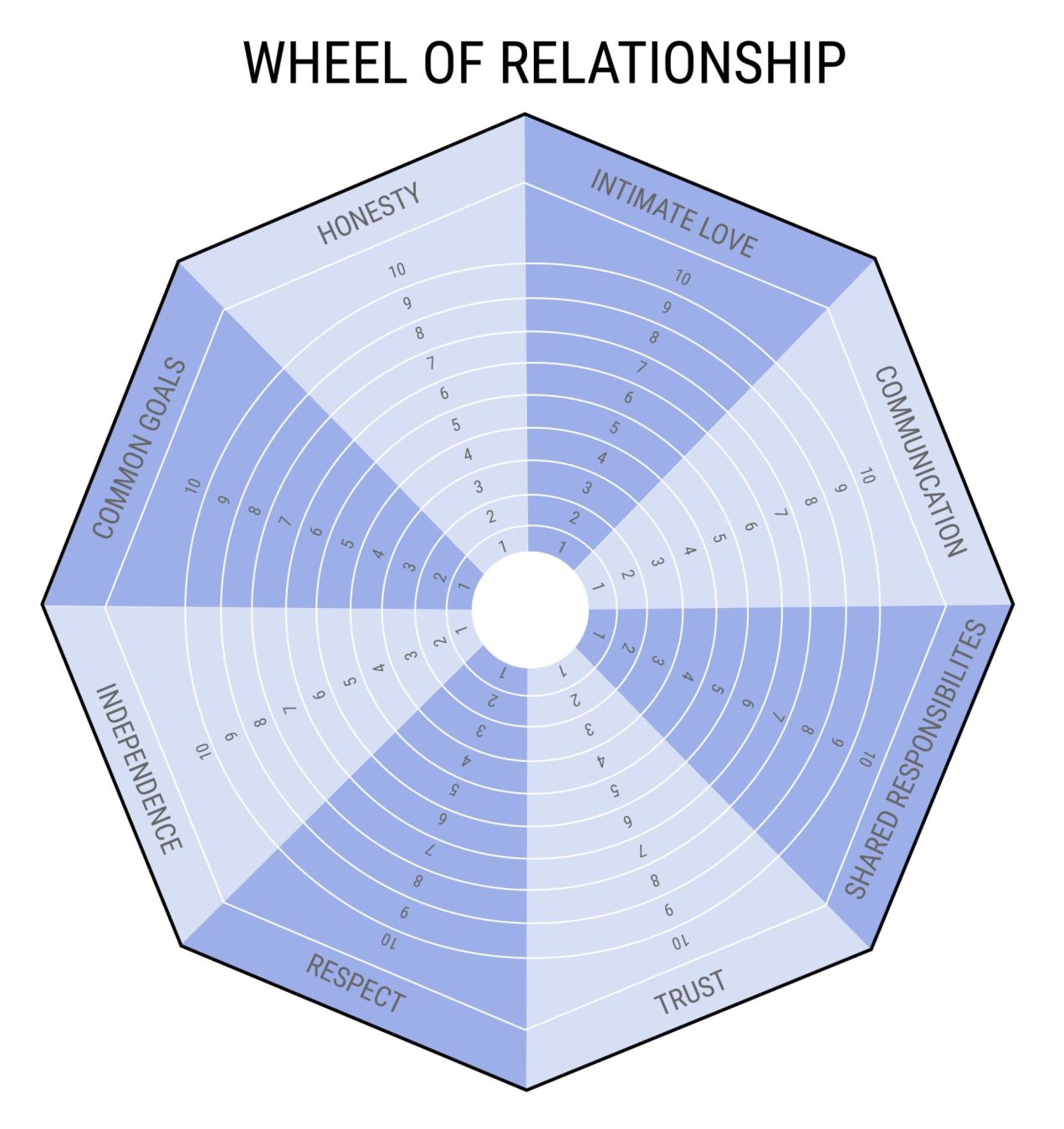
- Wheel of Relationship – If your client is facing turbulence in their relationship, you can use this tool to help them overcome it. Identify 8 to 10 pillars of a happy relationship, like communication, honesty, common goals, independence, etc., and work with the wheel as explained earlier.
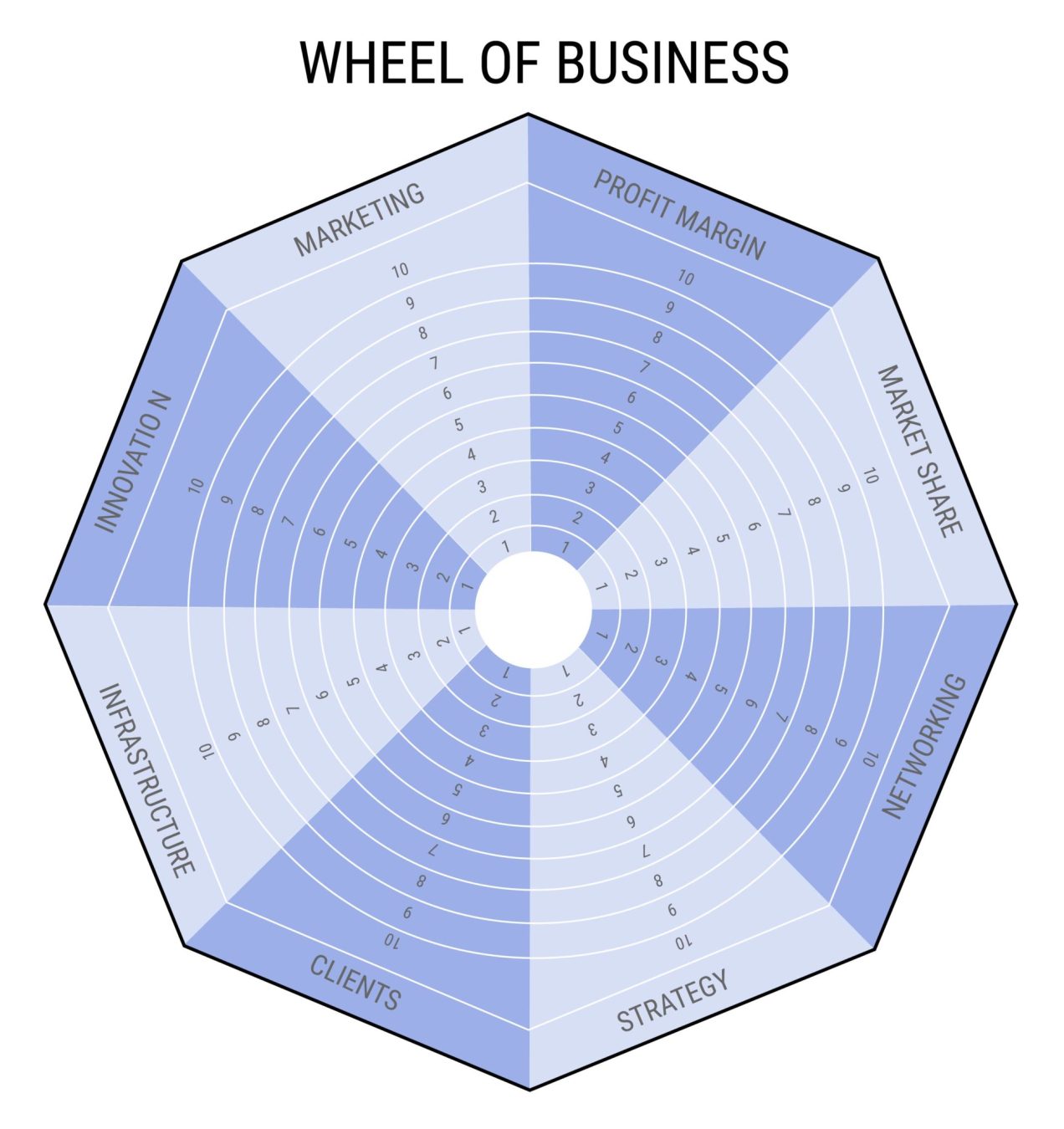
- Wheel of Business – To coach a business coaching client, you can make use of this variation of the wheel. Possible themes could be innovation, marketing, profit margin, market share, etc.
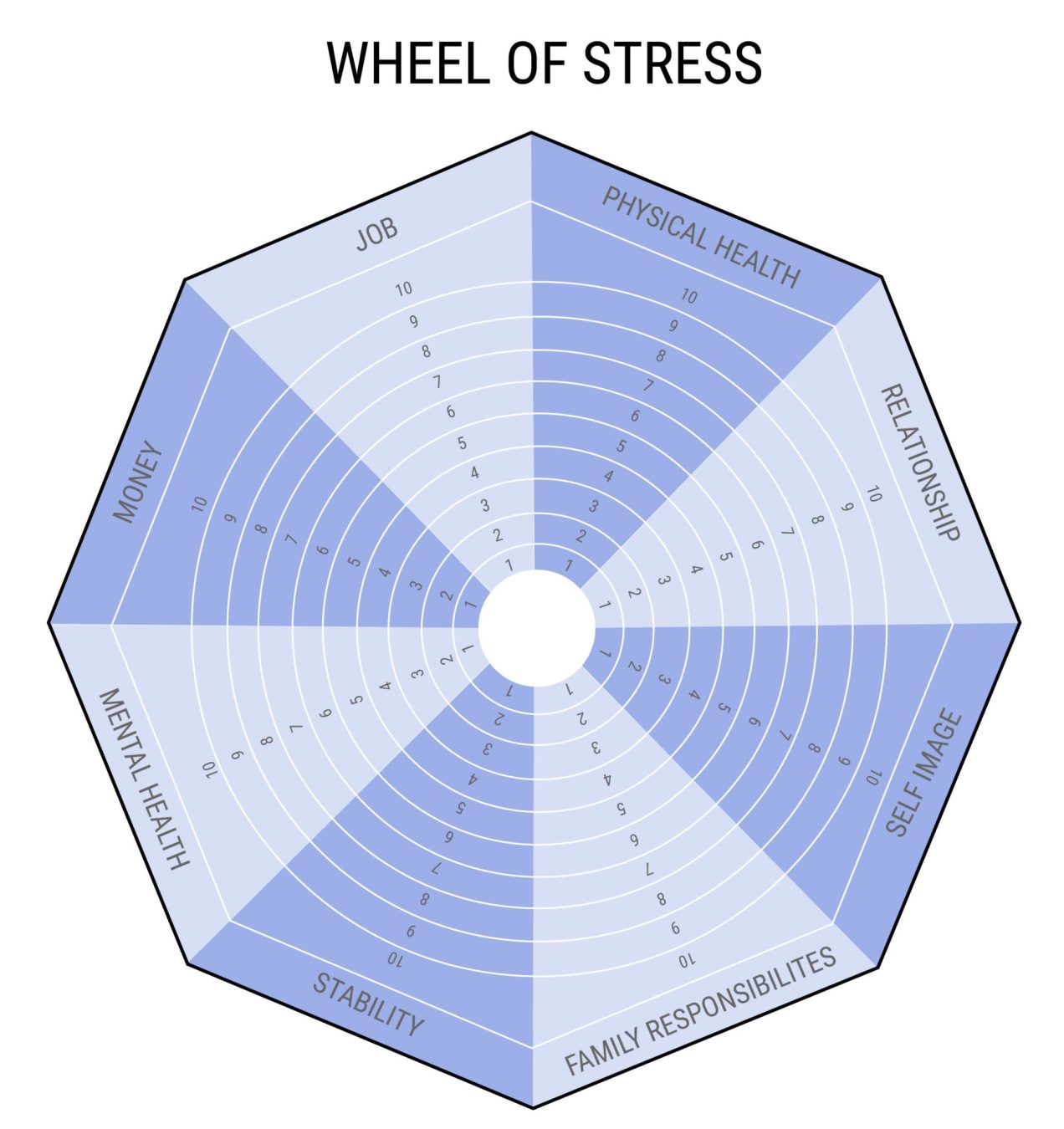
- Wheel of Stress – If a client is unsure of where their stress is originating from, you can use this version to identify the different sources of stress, and their individual contribution to their life. A few example categories are job, health, relationship, etc.
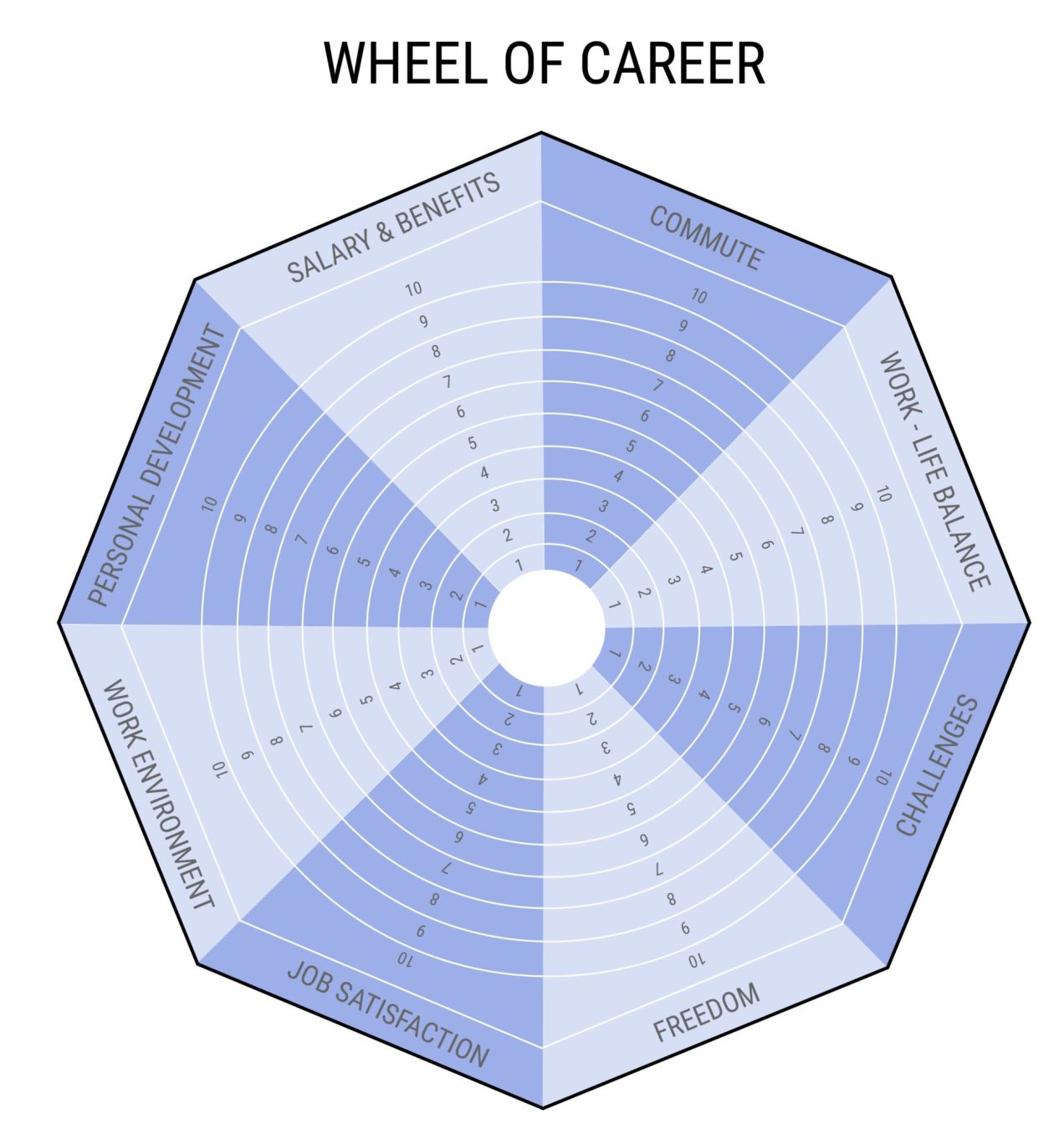
- Wheel of Career – This can be an effective wheel to help your client evaluate their career graph. Sit down with them and decide on the things that are important to them in a job, like salary and benefits, commute time, job satisfaction, etc.
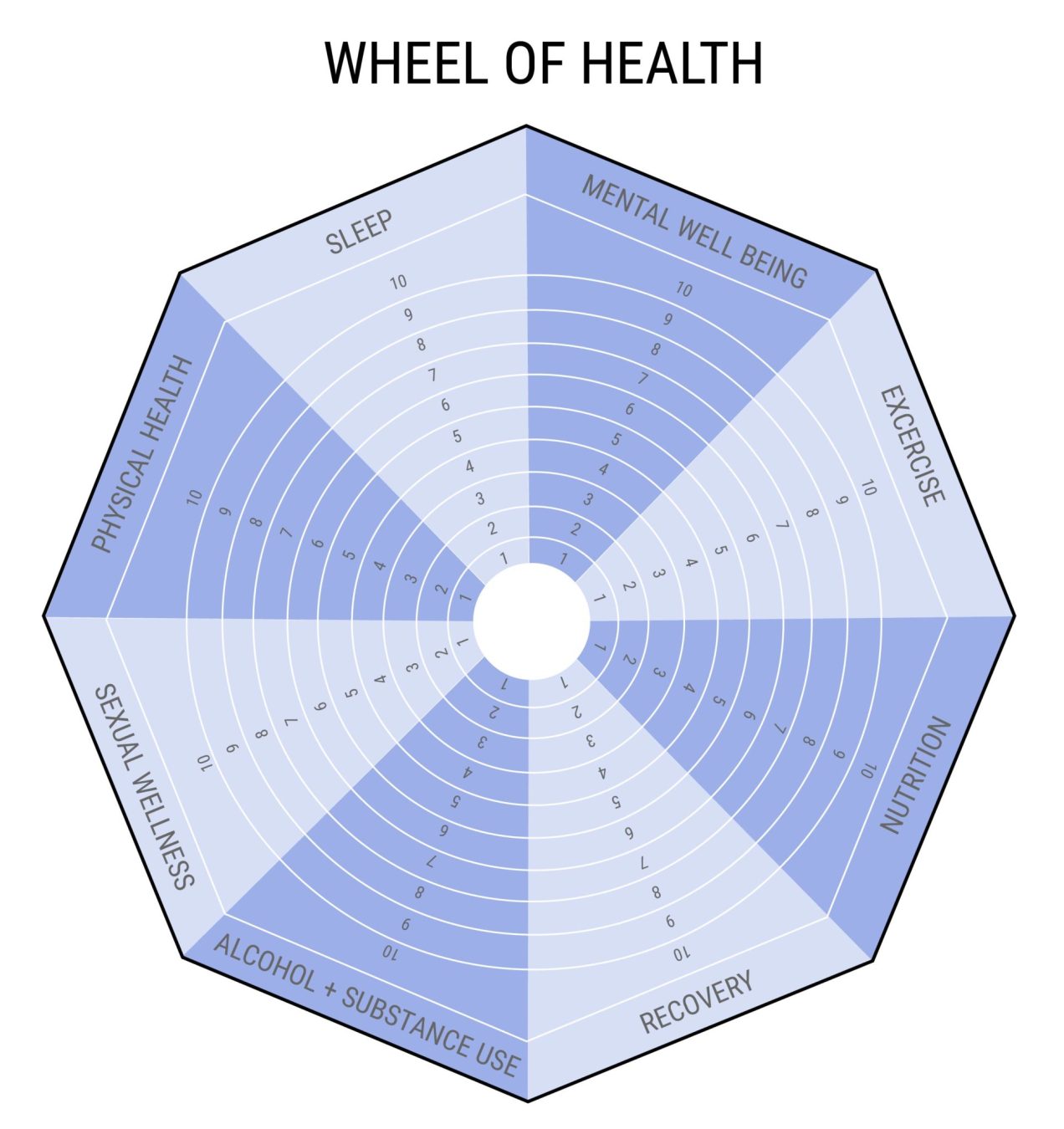
- Wheel of Health – Has your client been neglecting their health? The Wheel of Health can help you dig deeper into the issues in their physical, mental and emotional health.
- A worksheet with assessment questions to be asked and answered by your client before scoring the categories.
- A worksheet designed to reflect upon behavioural changes to find balance in life.
- A worksheet on formulating an action plan.
This one has low scores on most fronts, with the dissatisfaction high in almost all of the categories.
It indicates the presence of varying limitations that are preventing your client from realising their dream.
This shape has high scores in some areas and low ones in others.
It shows that while your client has been doing well in certain aspects of life, perhaps their career, they have been neglecting other important aspects, like love, for example.
This full circle represents a client’s ideal life. Even if this ideal life is a person’s reality today, it may change tomorrow.
You must remind your client to keep putting the work in to keep it that way, whether in their job, relationship or elsewhere.
Their goals are also likely to change along the way – so they must continue to evolve and adapt while working on their full circle.
Chapter 4:
How to look within and reflect on the results
Equipped with all the tools you need to interpret your client’s wheel accurately, you are ready to move on to the next step.
This chapter will teach you how to help them reflect on the results.
While they need to introspect for themselves, you can nudge them in the right direction by asking questions and holding discussions.

Starting a constructive dialogue
You can start by studying the sections that scored the highest points, and asking questions to aid your client in reflecting on the results.
Then, you can move on to the aspects of their life they didn’t do so well in.
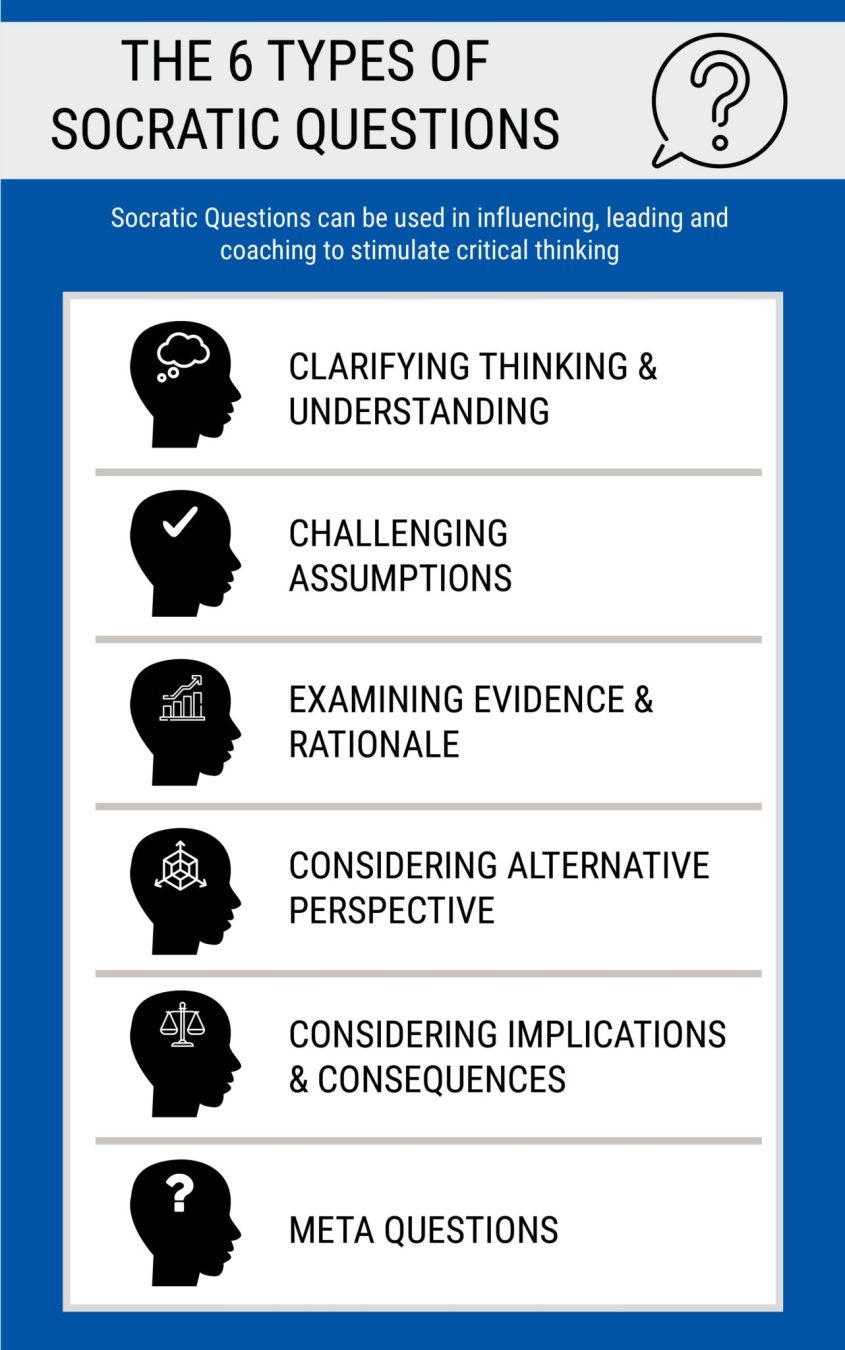
One helpful technique you can employ here is Socratic questioning.
What is Socratic Questioning?
Socratic questioning, also known as the Socratic debate, is a form of disciplined questioning, which involves asking focused, open-ended questions that prove to be helpful in getting to the bottom of an issue. It is named after Socrates who used the method of asking questions to his students to discover answers to educate them
Following are some of the questions you can ask:
Taking responsibility
Your client’s insight into their life should become clearer once they have answered questions about each of the categories, as well as the wheel on the whole.
The next step is to take responsibility for their current life, as it is being shown by the wheel.
Once they have accepted that their habits and behavioural patterns need changes and modification, they will be better equipped to move forward with their life.
Chapter 5:
How taking appropriate action can change the course of life
The next step in this exercise is brainstorming.
In this chapter, I will show you how to sit down with your client and come up with an action plan.
Together, you can begin by prioritizing certain areas of their life that are being particularly neglected.
The objective is to determine actions that will increase the score in these sections and bring more balance in their life overall.

Setting short-term and long-term goals
A study by Journal of Consulting and Clinical Psychology indicates that goal setting has a notable effect on an individual’s behaviour.
After researching 384 effect sizes, the study concluded that goal-setting was particularly effective when the goal was difficult, publicly set, and was a group goal.
Each of these things applies to the goal-setting you will do with your client in the Wheel of Life exercise.
It goes to show that if you set a goal for yourself, you’re more likely to adjust your behaviours in order to realize that goal.
To begin this process for your client, identify short-term and long-term goals for them in the categories that they haven’t scored well in.
For example, if your client has a low score in ‘health/fitness’, a short-term goal could be going for a run four times a week. A long-term goal could be participating in a half or full marathon.
Let’s take another example. If your client has a mediocre score in ‘friends’, a short term goal could be going out once every week to meet new people. A long term goal, on the other hand, could be making time for old and new friendships by following through on plans.
Similarly, if your client has a poor score in ‘recreation’, they could begin by taking out a few hours a week to focus on a hobby, like by taking piano lessons. Their eventual goal could be passing all the eight grade exams for the instrument.
Ask them to write down these goals on a piece of paper.
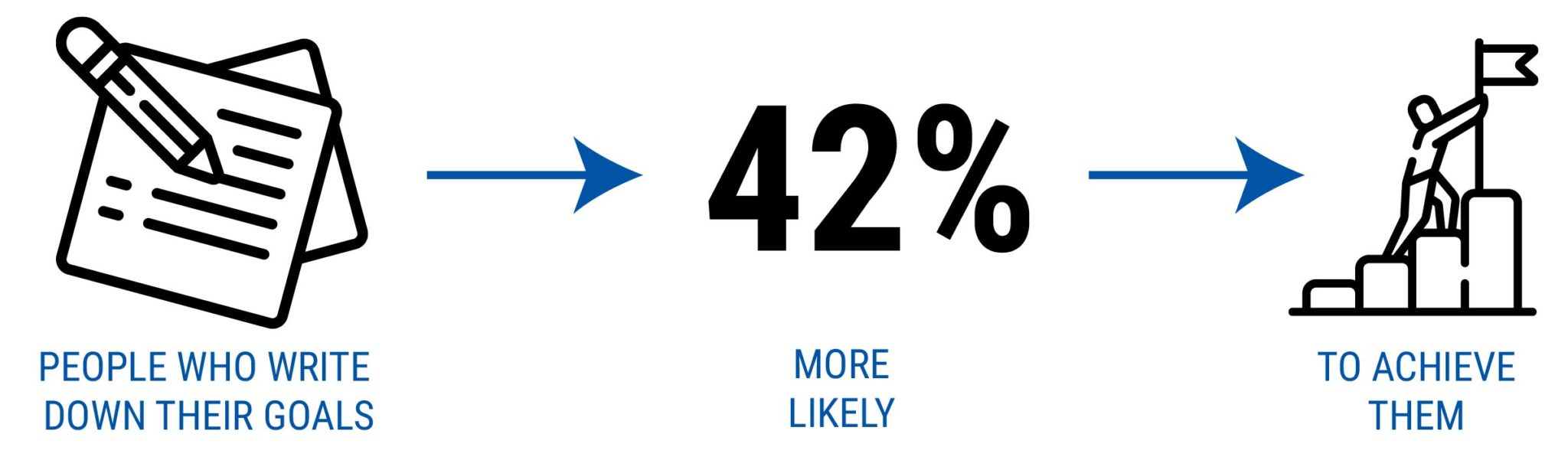
A study by Gail Matthews shows that people who pen down their goals are 42% more likely to achieve them than those who don’t.
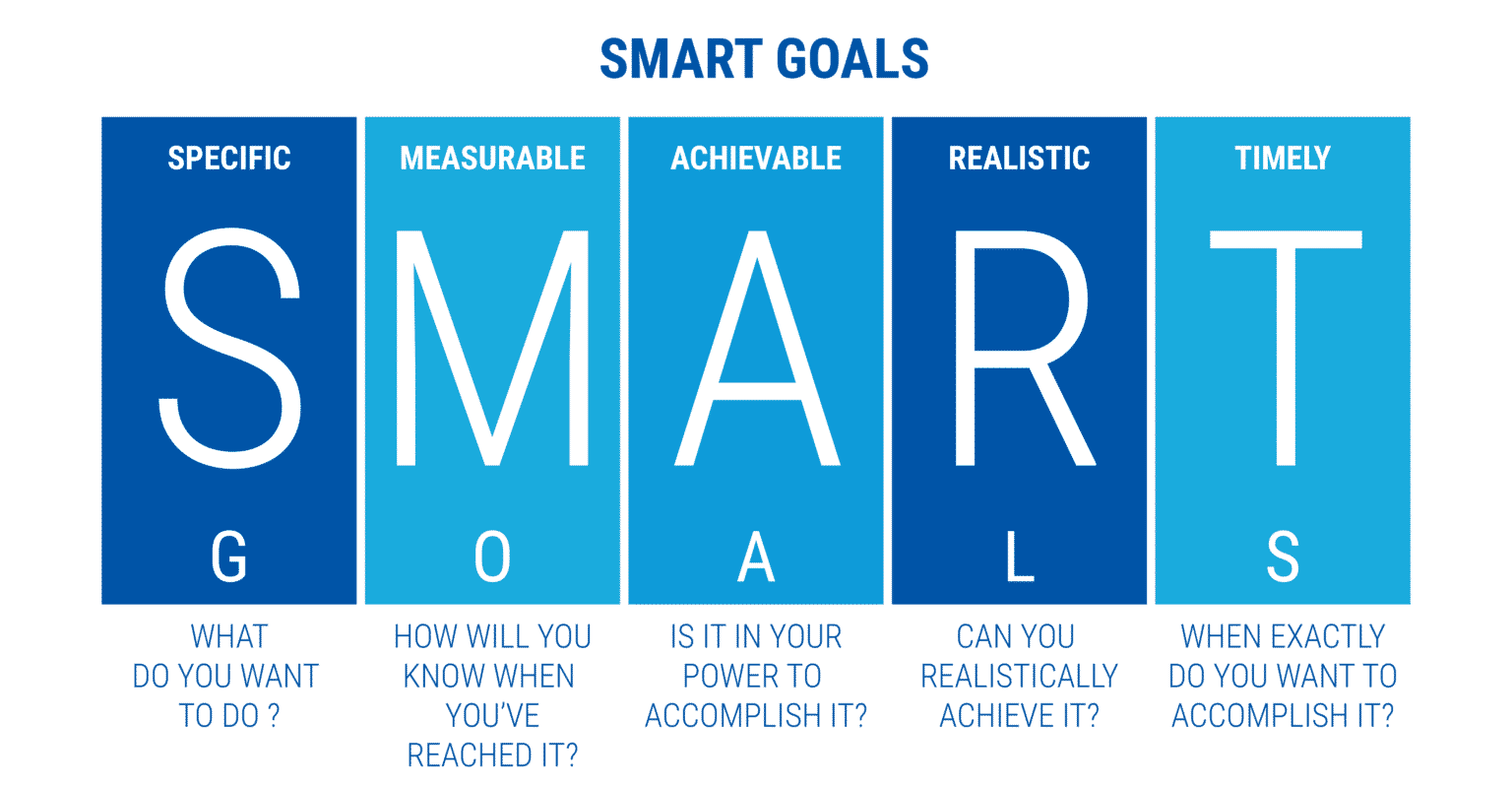
Pro tip: Rely on SMART goals while goal-setting, i.e. goals that are specific, measurable, achievable, realistic, and timely
An action plan
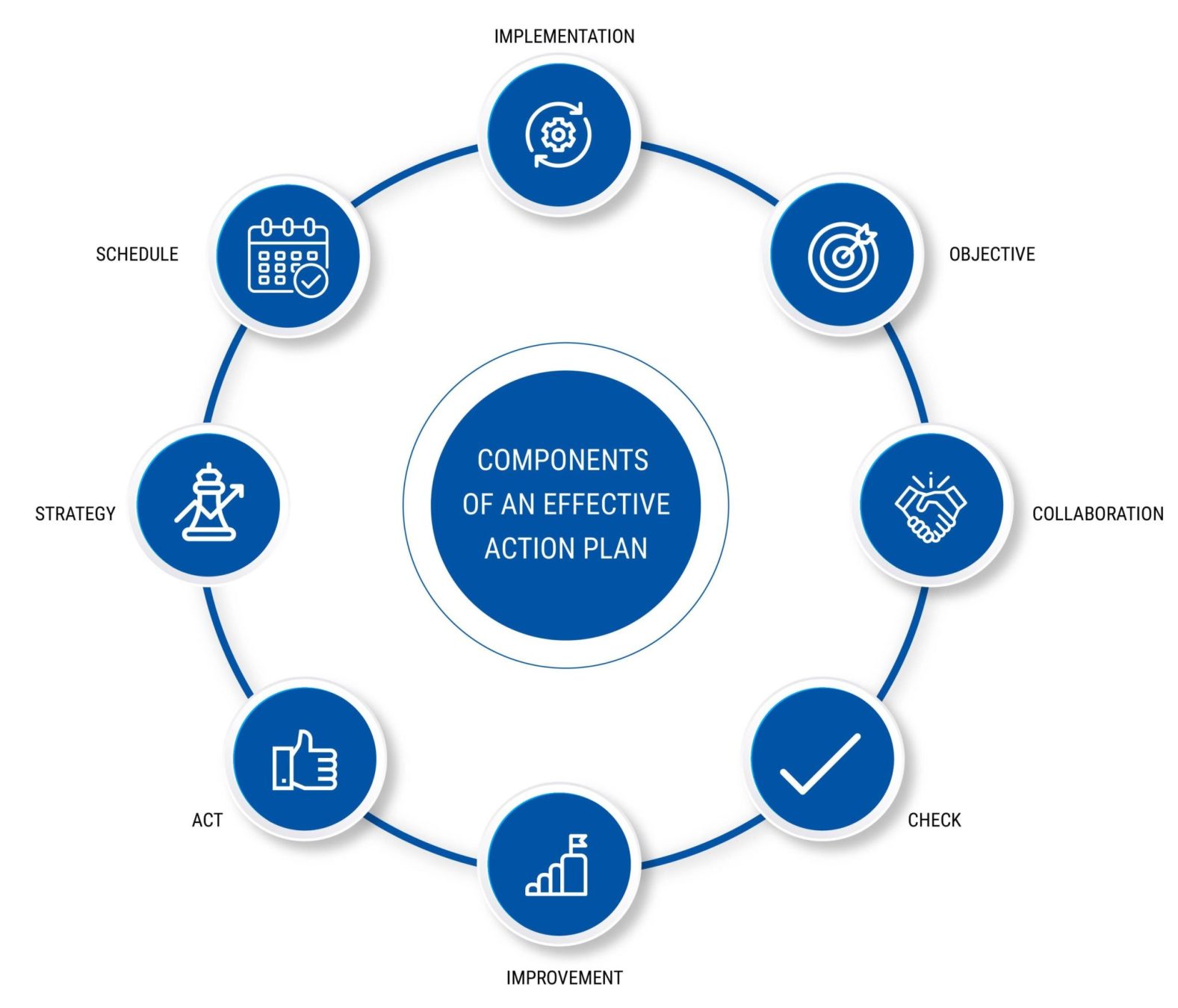
Now that you have the goals down on paper, it’s time to come up with an action plan for your client.
You can consider the following steps while formulating such an action plan:
Taking one of the examples quoted above, if your client wants to run four times a week, they can do the following to achieve this short-term goal:
Similarly, in order to achieve their long-term goal of running a marathon, you can identify the following activities:
Resource: Download the “Wheel of Life - Comprehensive Assessment” for this.
Revisiting the wheel
So, you’ve formulated an action plan for your client’s growth. Is your job here done?
Without regular check-ins in place, it’s easy to get comfortable and fall back into older habits.
Make sure you revisit and re-score the wheel with your client often, so that you can evaluate the progress and make changes, if necessary.
I recommend doing this exercise with your clients at least twice a year.
Of course, you can repeat it more often in case your client is going through a major change in their life.
Chapter 6:
Tips on utilizing this powerful tool to coach your clients
The Wheel of Life is arguably one of the most flexible and powerful weapons in a coach’s arsenal.
In this chapter, I will give you all the tips you need to know when to use this tool in your coaching practice, and what to do and not to do while employing it.

Different ways to incorporate it while coaching clients
The wheel of life can be used at various points and situations. Here are some of those.
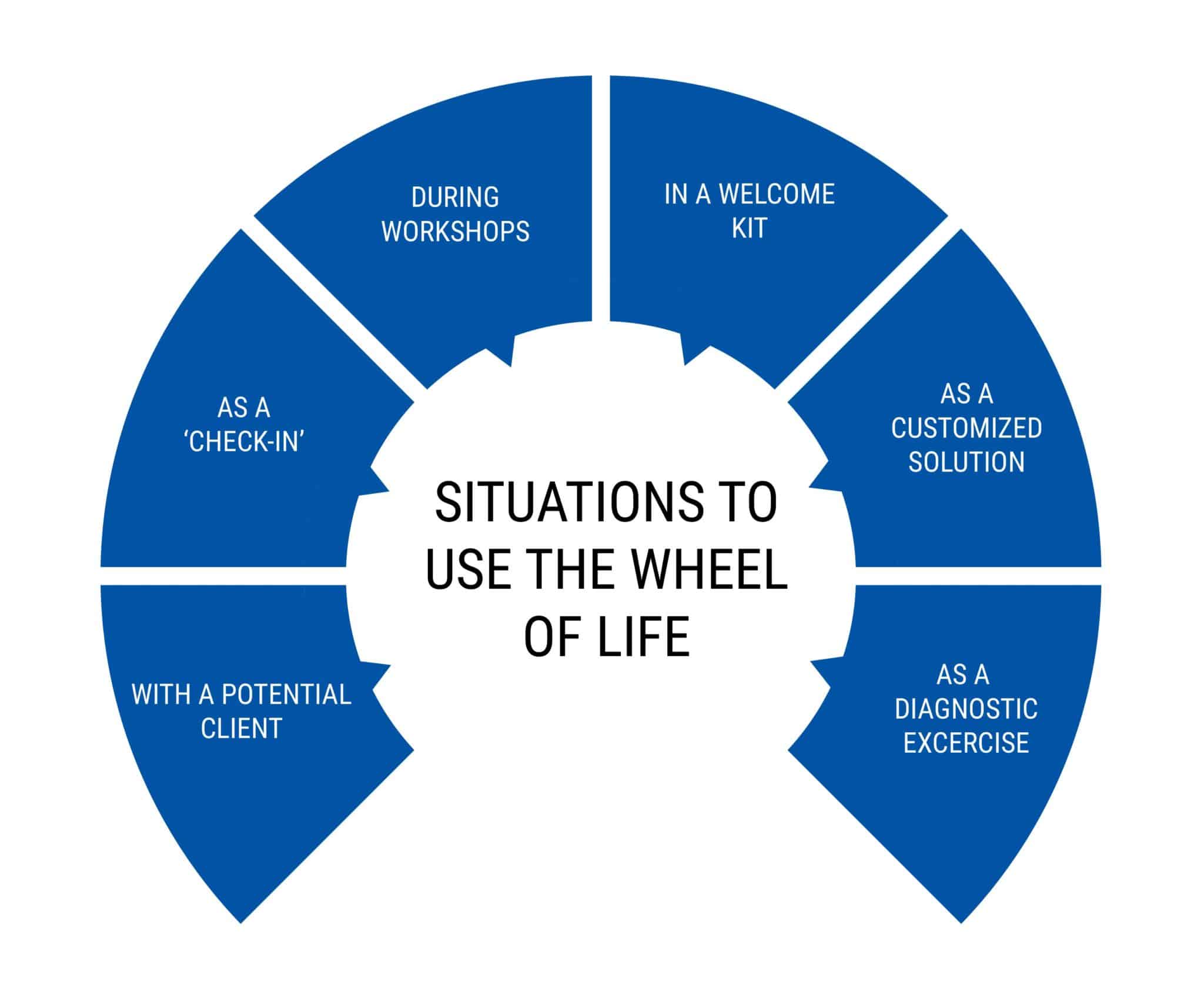
Apart from these main ways, the tool can also be used as a part of a coaching program, to set and prioritize goals, to demonstrate progress, and even to test which goals are most important for your clients.
The simplicity of the wheel of life lends to its adaptability to use in various situations. Your creativity is the limit on where you can incorporate this tool.
Some important dos and don’ts
For accurate and powerful results, it’s necessary to follow certain best practices and avoid common mistakes while conducting this exercise.
Do this:
Don’t do this:
How to coach online and over the phone
You might find yourself in a situation where a client cannot physically be present for an appointment, but requires your services online or over the phone.
If you’re hesitant of the effectiveness of such a situation, don’t be.
Technology, when used well and for the right purposes, can prove extremely helpful.
You can send a printable version where the client simply fills out the wheel by themselves while on a call with you.
Resource: Download the “Wheel of Life - Brandable and Printable Template” for this
What I’d recommend is you leverage technology powerfully by following these steps:
Chapter 7:
How to customize the Wheel of Life to assess various fields
One of the best things about the Wheel of Life is its adaptability to pretty much any situation life throws at you.
In this chapter, I will show you why you should customize the wheel to suit your clients’ needs, how to do it correctly, and different fields you can modify it for.

The added benefits of customization
The Wheel of Life is a solid tool for your coaching toolbox already, but it has another feature that can work in your favour – personalization.
Customizing a blank wheel to analyze individual areas of your clients’ lives can help you delve deeper and improve awareness about the issues at play.
How to customize the Wheel of Life
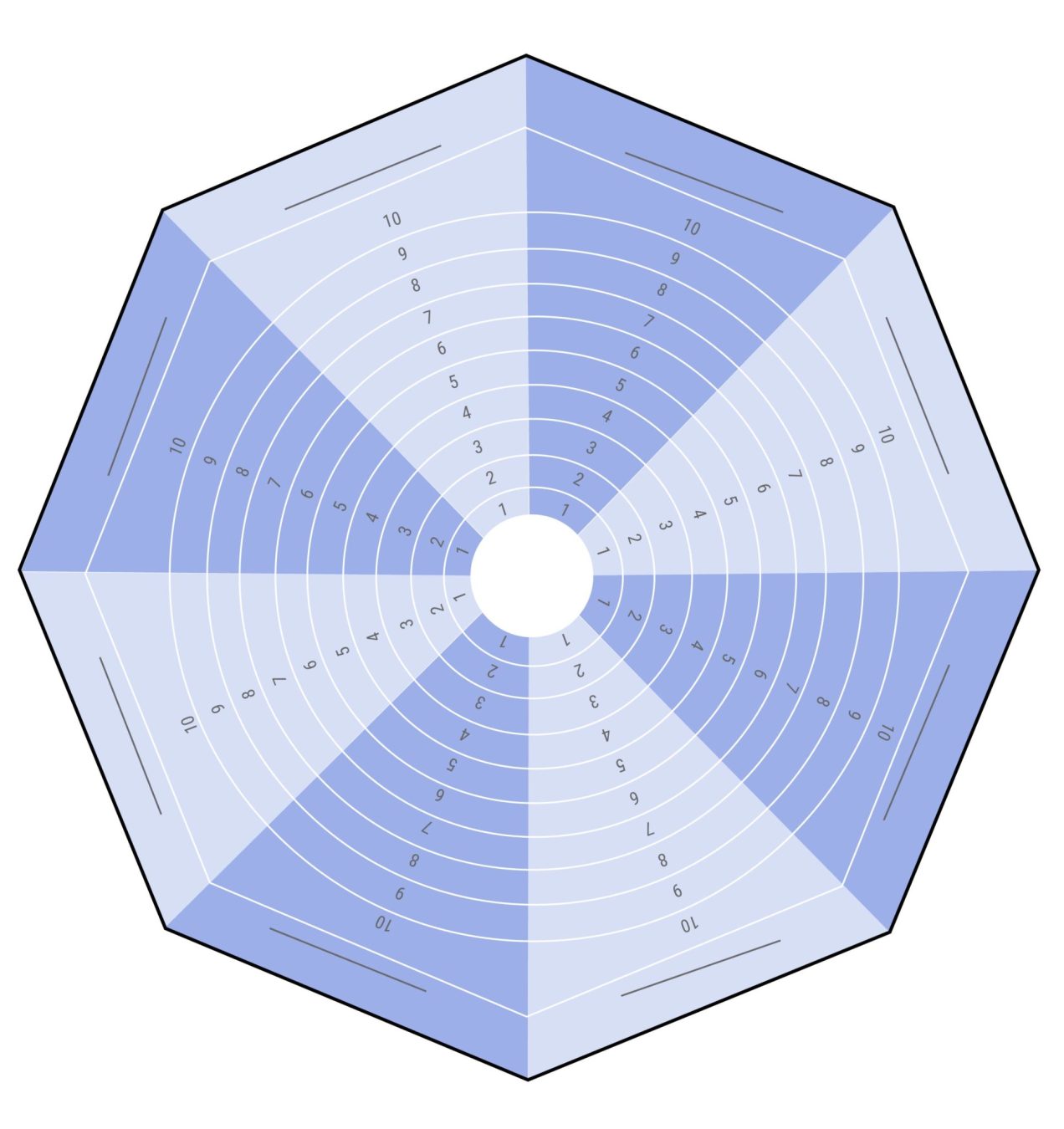
If your client is facing a specific challenge in one aspect of their life, let’s say, parenting, this tool can be adapted to present effective solutions.
Resource: Download the “Custom Wheel of Life Template” for this
To customize the wheel for a specific theme such as this one, follow the steps below with your client:
Five examples of customized wheels
The Wheel of Life is a solid tool for your coaching toolbox already, but it has another feature that can work in your favour – personalization.
Customizing a blank wheel to analyze individual areas of your clients’ lives can help you delve deeper and improve awareness about the issues at play.
We have already explored one customized wheel above, and in this section, I will present you with five more options. This is simply to make you aware of the versatility of the tool – remember, it isn’t limited to these five situations. You can customize it any way you see fit.
Chapter 8:
Useful Resources
The versatility of the Wheel of Life also allows it to be modified into different templates, ranging from the traditional wheel on a printed paper to apps that manage your Wheel of Life on your phone.
This chapter contains many useful assessments and templates that you can incorporate into your coaching practice.

Apps
If your client wants to review and revisit their wheel at their convenience, using apps that are designed to maintain their Wheel of Life can be a good idea.
A great app for Apple users is LifeWheel: Smart Goal Tracker.
Android users, on the other hand, can download Life Wheel from the app store.
Wheel of Life - Brandable and Printable Template
You can use this downloadable version of a blank Wheel of Life created by us in your sessions with clients.
It is easy to comprehend and fill out, and will ensure smooth sailing of the entire process.
Print it on your letterhead and you have a custom branded Wheel of Life template to use.
Custom Wheel of Life Template
As I explained earlier you can use a customizable wheel to go deeper into various areas of your client’s life.
Here’s a blank template for you to download which you can use to create a customized wheel and incorporate it into your coaching.
Interactive assessments and worksheets
In order to make some headway with your clients, you can give them interactive worksheets and assessments as homework or during the course of the session.
Download The Wheel of Life - Comprehensive Assessment
This is a comprehensive worksheet covering three stages of the Wheel of Life exercise. It contains the following assignments:
In conclusion
Congratulations on completing this guide.
You are now equipped to leverage this simple yet powerful tool for your coaching.
Did you take the assessment yourself? How did you fare?
What unique situation are you planning to use the Wheel of Life for?
Do leave a comment below – I would love to hear from you!
Frequently Asked Questions (FAQs)
What is coaching wheel?
How do you fill out a wheel of life?
How do you explain the wheel of life?
How do you make a wheel of life template?
How do coaches apply the wheel of life?
Its practicality and flexibility makes it a highly functional tool for life coaching, where clients can assess needs, set goals, and follow through with a credible action plan.
