
Art Therapy: The definitive Guide
Last updated: March 2026
Art Therapy
The Definitive Guide
This guidebook will explain all about “Art Therapy”. The primary goal of this article is to assist those people who are facing any psychological issues in their lives. Additionally, if you want to pursue a career as an art therapist will find this article to be helpful.
So if you want to:
- Get a deeper understanding of art therapy
- Want to resolve all of your psychological, medical, educational or social issues
- Want to live freely, a happy life
- And most importantly want to start your career as an art therapist!
And many more, then you will love this guide.
Let’s get started!
Contents
Art Therapy Assessments




Chapter 1:
Introduction to Art Therapy
The first chapter of the article will discuss fundamentals of Art therapy.
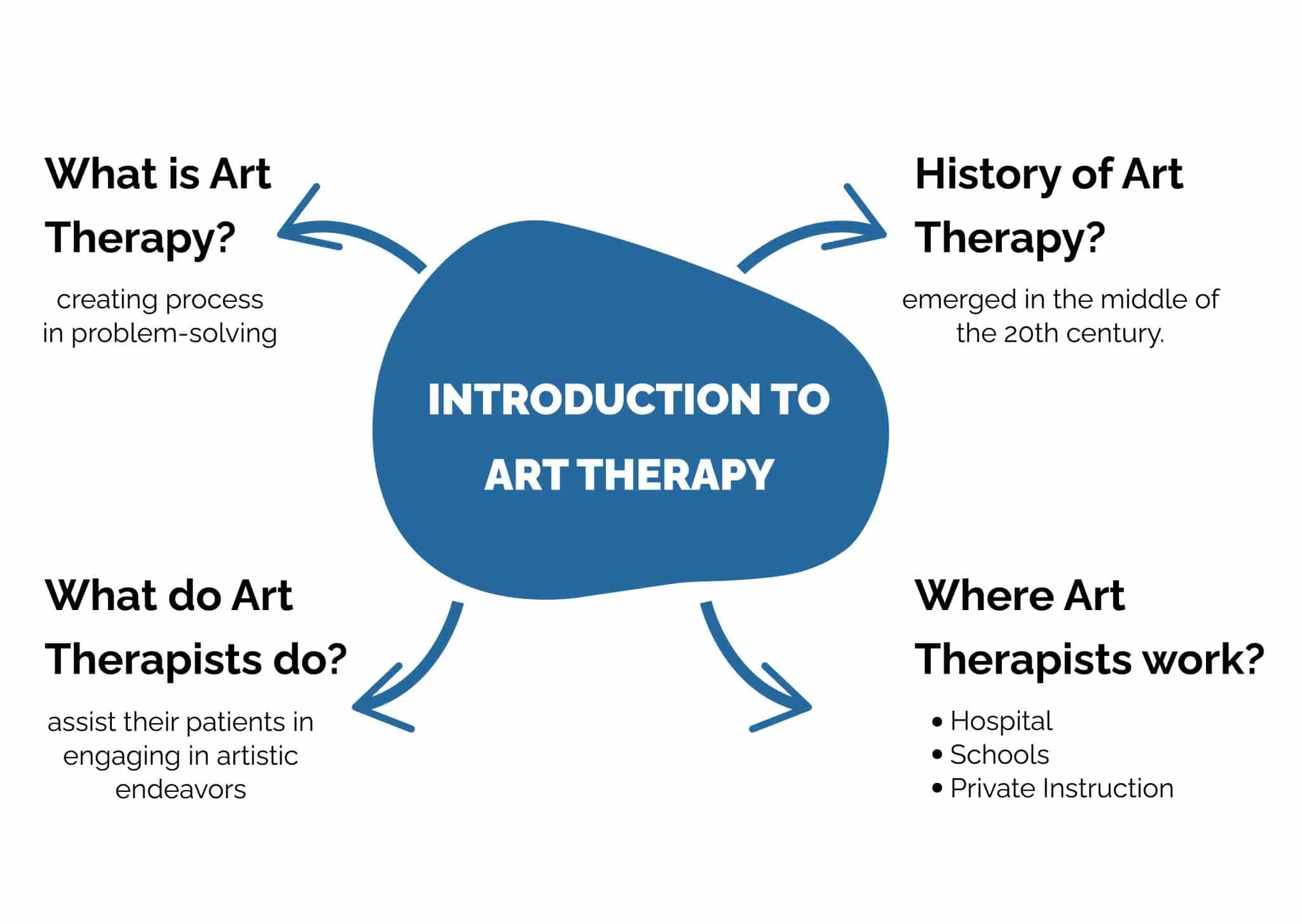
This chapter will firstly define the term “Art Therapy” and then this chapter will discuss the early history and origin of Art Therapy.
This chapter will also discuss the working environment and duties of Art Therapists.
What is Art Therapy?
Art Therapy is simply defined as:
“It is the practice of using creative techniques to treat psychological illnesses and improve mental wellness. It is a type of expressive therapy that makes use of the artistic creation process to enhance a person's physical and emotional health.”
The creative process required for artistic expression can assist people in problem-solving, developing and managing their behaviors and moods, lowering stress levels, and increasing self-awareness and self-esteem.
In art therapy, art is utilized as a medium to address emotional difficulties that may be perplexing and painful rather than as a diagnostic tool.
Depending on the needs of the client, either group or individual art therapy sessions are offered. Even while the meetings can be fun, it is neither a pastime nor an art lesson. Clients are not required to have any prior art-related knowledge or experience.
What do Art Therapists do?
Art therapists are defined as:
“Art therapists are clinical professionals. They engage in a wide range of work with clients of all ages. Their formal education and mentorship equips them for culturally competent work with diverse people in a range of contexts, guided by ethical norms and the scope of practice.”
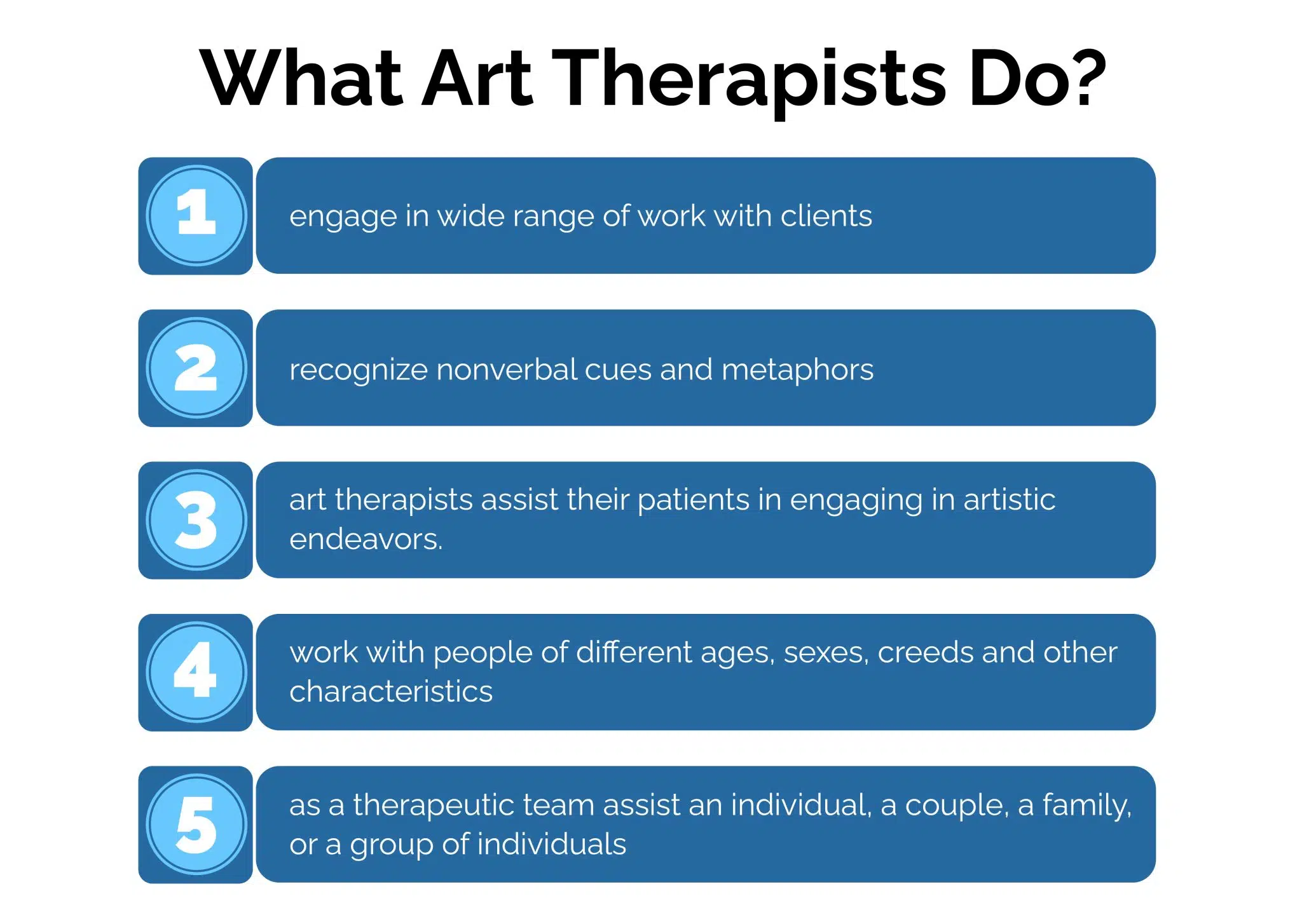
To promote personal growth, boost coping mechanisms, and enhance cognitive function, art therapists assist their patients in engaging in artistic endeavors. Art therapists are educated to recognize nonverbal cues and metaphors, ideas that are typically hard to put into words but are frequently represented via art and the creative process.
With a master's degree and training in both therapy and art, as well as psychology and human development, art therapists are qualified to work with people of different ages, sexes, creeds, and other characteristics. Depending on the circumstance, there may be a large number of therapists working together as a therapeutic team to assist an individual, a couple, a family, or a group of individuals.
What are the origins and early history of Art Therapy?
Art therapy is a relatively recent field in the history of mental health care that combines psychology and art studies. This non-traditional form of treatment helps patients develop self-esteem and awareness, enhance their cognitive and motor skills, deal with conflicts or stress, and develop resilience.
In order to address issues that verbal psychotherapy is unable to address, it invites sensory, kinesthetic, perceptual, and sensory symbolization. Despite being a relatively new field of therapy, art therapy has its roots in the late 18th-century "moral treatment" of psychiatric patients.
Despite the fact that art has been a significant component of human experience for thousands of years, the practice of art therapy is a comparatively recent development. Art therapy was first used in 1942 by British artist Adrian Hill.
The practice of art therapy emerged independently in English-speaking and European nations in the middle of the 20th century. At that time, art had been employed for a variety of purposes, including communication, fostering children's creativity, and in religious settings. Aesthetics, psychiatry, psychoanalysis, rehabilitation, early childhood education, and art education all had varied degrees of effect on the early art therapists who wrote about their work in published accounts.
Where Art Therapists work?
In a variety of settings, art therapists work with individuals, couples, families, and groups. Several examples include:
- Hospitals
- Veterans' hospitals
- Schools
- Private instruction
- Facilities for mental health and rehabilitation
- Neighborhood clinics
- Crisis hotlines
- Forensic facilities
- Aging populations
- Villages
Now I will take you to the next chapter which will discuss the types of art therapy.
Chapter 2:
Types of Art Therapy
This is the second and one of the most important chapters of this article.
This chapter will discuss different types of art therapy.
At the end of this chapter you will also see how art therapy works.
What are the different techniques of Art therapy?
The use of creative art in the treatment of mental illness is not limited to art therapy.
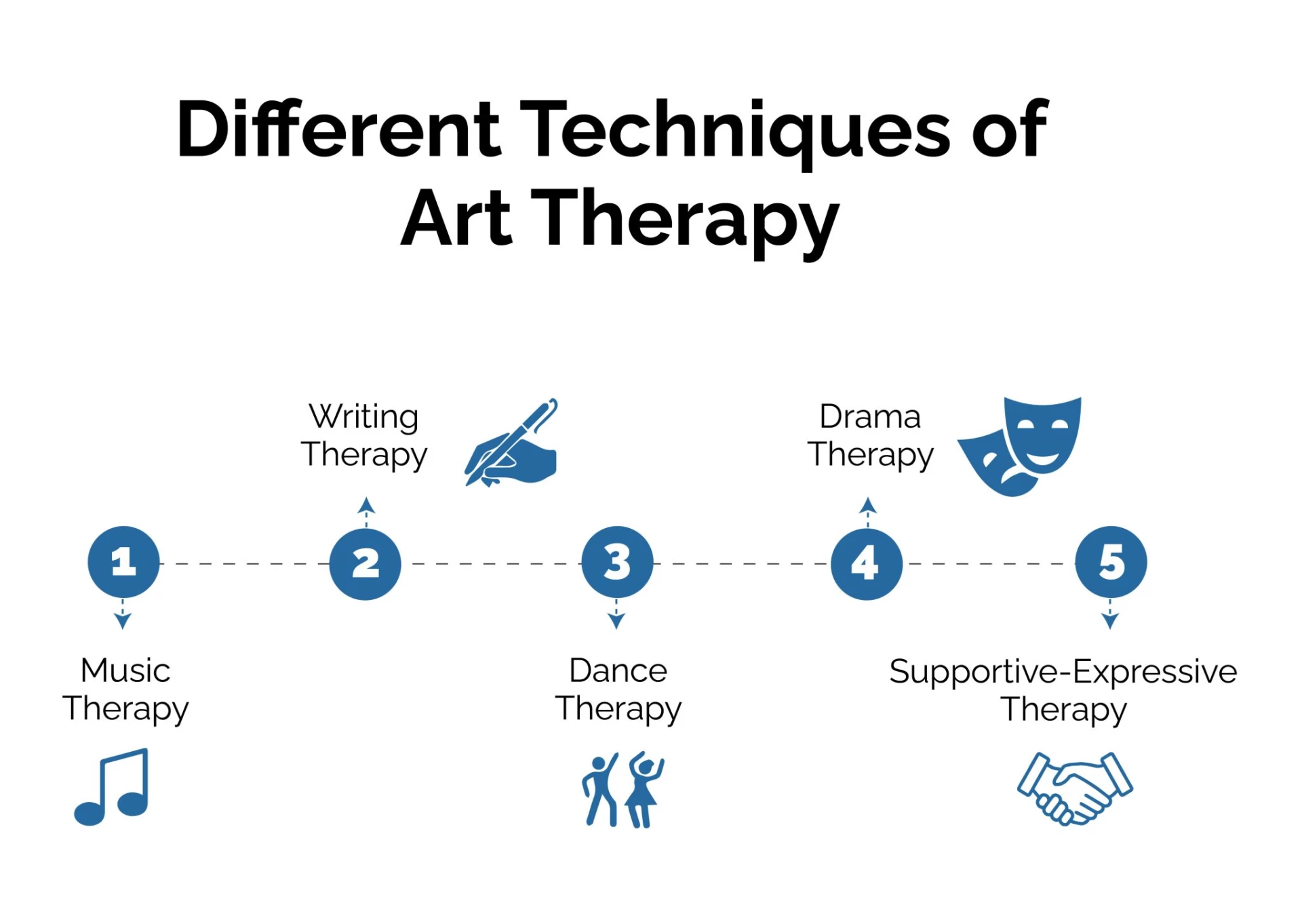
A few further forms of creative therapy are:
1. Music therapy
“The inherent mood-lifting effects of music are used in music therapy as a therapeutic strategy to assist people improve their mental health and general health.”
This type of therapy may be beneficial for those who struggle with depression and anxiety, as well as for those who have any physical or psychological health issues. You don't need to have any musical training to participate in music therapy or benefit from it.
Music therapy can be an active procedure in which patients participate in the creation of music or a passive one in which patients just listen to or react to music. Some therapists might employ a multifaceted strategy that combines active and passive musical engagement.
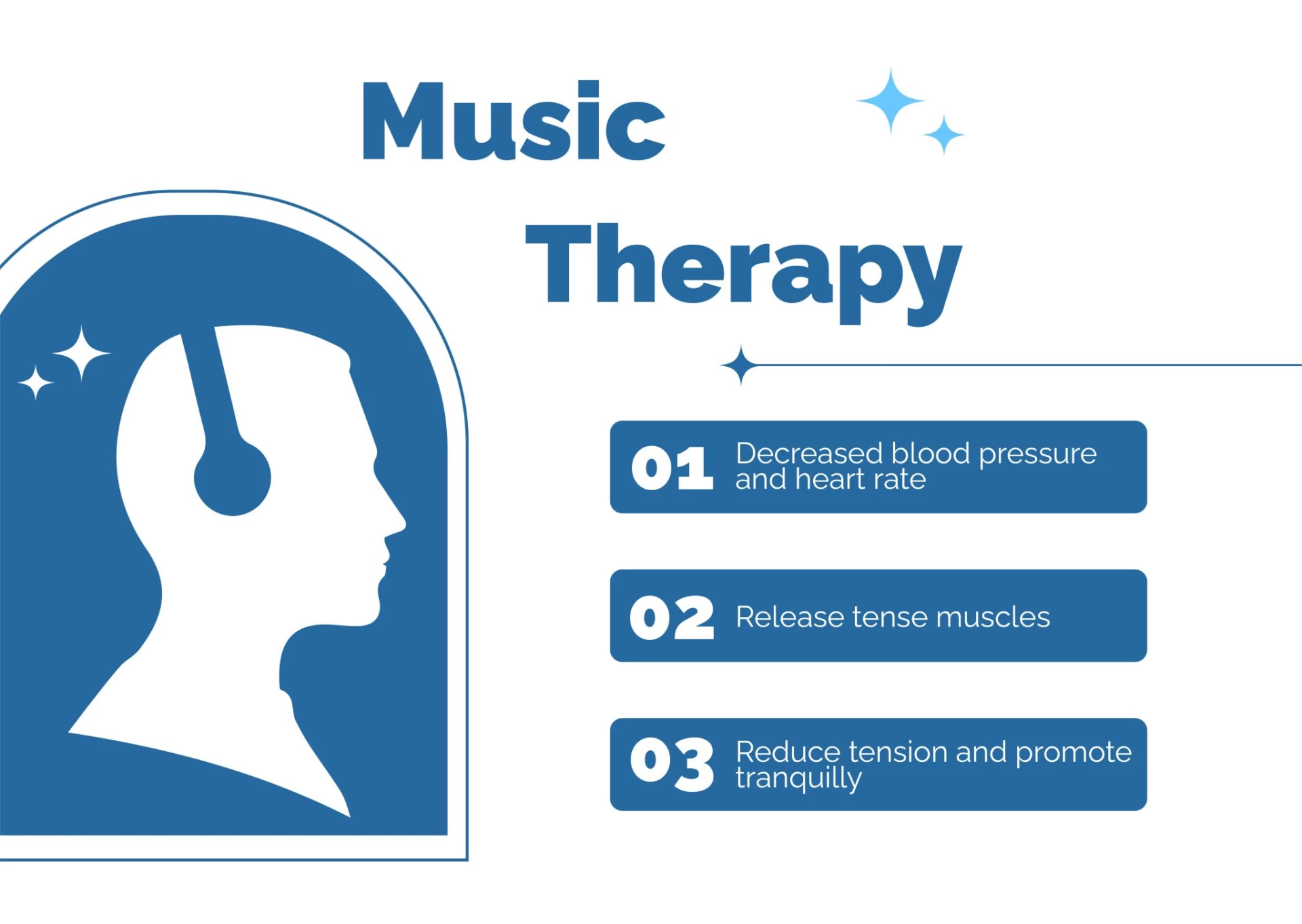
Music therapy helps in following ways:
Brain areas that are involved in memory, emotions, locomotion, sensory processing, some involuntary activities, decision-making, and reward should be activated.
- Meeting older people's social needs in group settings
- Decreasing blood pressure and heart rate
- Release tense muscles
- Reduce tension and promote tranquilly
- For kids and teens with developmental and/or intellectual challenges, strengthen motor skills and communication
In general, music therapy can heighten good emotions, including calmness, euphoria , self-assurance, independence and emotional closeness. Music therapy might be beneficial for persons with anxiety and depression, sleep difficulties, and even cancer.
2. Writing therapy
“Writing therapy opens a communication between teenagers and therapists using a variety of exercises that might enhance their mental, emotional, and spiritual health.”
It is one strategy that can aid in reducing stress, solving issues, coping with unpleasant emotions, and establishing links between emotions and conduct, and much more. It is easily adaptable to any issue or circumstance that a teen is facing.
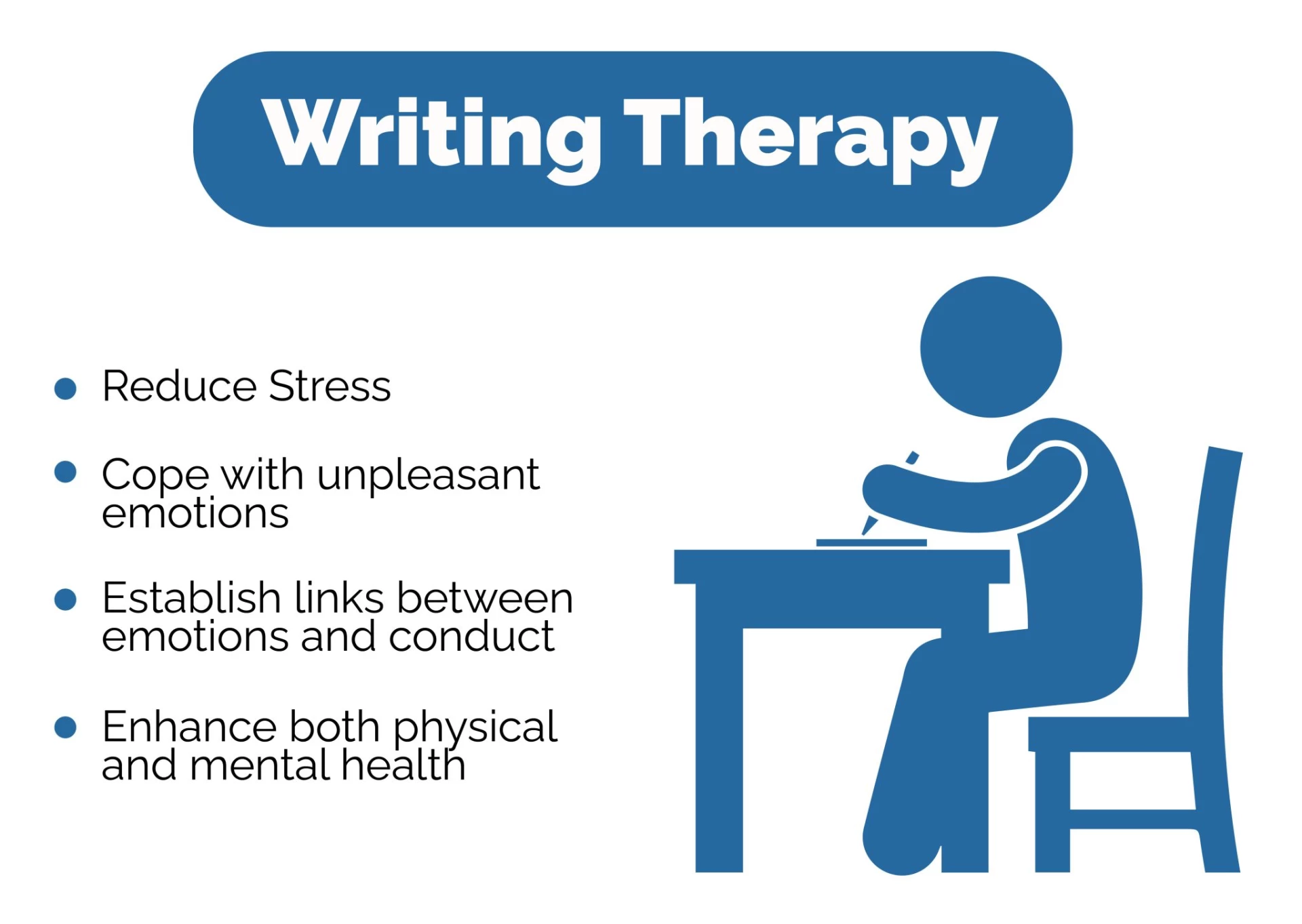
Teenagers frequently experience feelings of emotional overload or lack of confidence in how to handle challenging circumstances. Clarifying their feelings and figuring out coping mechanisms might both benefit from writing therapy.
This kind of expressive treatment is successful at enhancing both physical and mental health. Individual and group therapy sessions are frequently improved by using writing therapy. Teenagers can write about difficult-to-discuss issues that arise in therapy or painful events.
3. Dance therapy
“Dance therapy is a psychotherapy approach that uses movement to support the integration of the mind, body, and emotions. Strength, flexibility, reduced muscle tension, and improved coordination are some of the physical health benefits of dance therapy.”
Dance therapists may apply the mirroring method, which entails imitating another person's movements. It might be a technique to encourage empathy and make people feel more a part of the world.
Many physical and mental health conditions can be treated with dance and movement therapy. It can benefit those who battle with body image issues and those who want to boost their self-esteem. It may be beneficial for a number of ailments, including:
- Anxiety
- Arthritis
- Enduring pain
- Communication difficulties
- Dementia
- Depression
- Erratic eating
- A low sense of self
- Trauma-related stress disorder
Dance therapy can be a useful supplement to other treatment modalities due to a number of its advantages.
- A therapist can use dance therapy to offer body-based ways to promote the system's down-regulation, which enables a greater sense of serenity.
- Building self-awareness by dance therapy can make people feel more connected to their bodies' physical cues and aid in the treatment of eating disorders. The client can develop the awareness necessary to recognize both the physical and emotional signs of hunger and fullness by placing more emphasis on their bodies.
- Dance therapy can also be used to develop coping mechanisms that can be applied outside of the confines of therapy. You can examine your strengths and signs of stress, distress, and triggers by moving and learning your movement preferences with the help of the therapist.
4. Drama therapy
“Drama therapy employs drama practices, such as improvisation, role-playing, the use of puppets, and acting out stories. It is a hands-on, interactive style of creative therapy that could aid in boosting self-esteem and discovering fresh approaches to solve problems for you or a loved one.”
Drama therapy blends drama and psychotherapy techniques to provide fresh ways to express your thoughts and feelings so you may deal with behavioral and emotional issues more successfully. When you practice new ways of being or behaving during drama therapy, it can feel like playing.
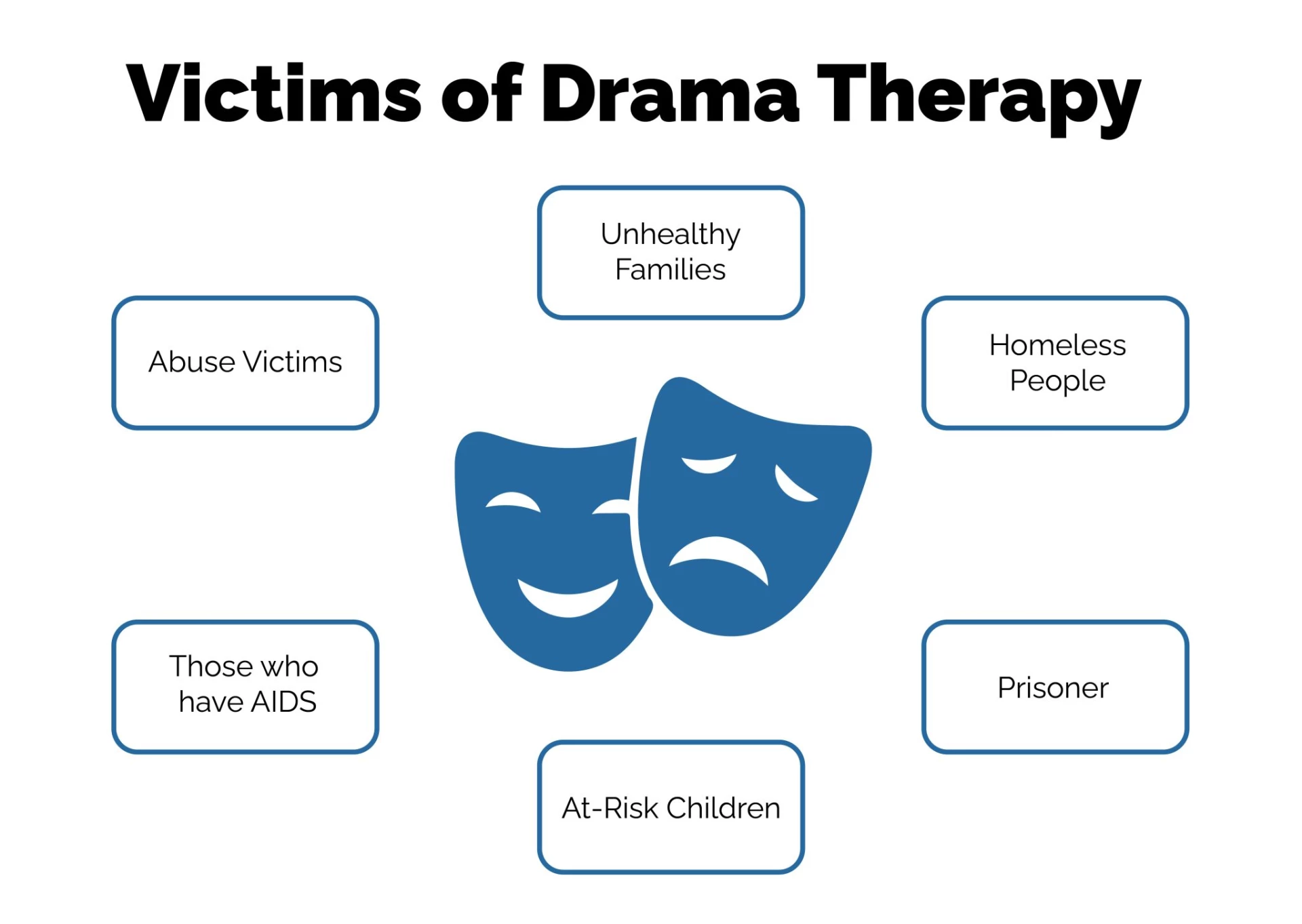
The following populations as well as the general population have found success with drama therapy:
- Abuse victims
- At-risk children
- People with developmental disabilities
- Unhealthy families
- Homeless people
- Those who have AIDS
- Individuals with behavioral health problems
- Individuals overcoming addiction
- Prisoner
Drama therapy is just one example of an expressive or creative treatment that can help you express yourself and use your creativity.
5. Supportive-Expressive Therapy:
“Supportive-expressive therapy is a psychodynamic psychotherapy with a strong empirical foundation that has been proven to be successful in treating some substance use problems.”
Supportive-expressive therapy aims to assist patients in mastering their challenges, developing self-awareness, and exercising self-control over drug use issues. It is predicated on the idea that formative life experiences, just like the formation of personality, have an impact on the emergence of problematic substance use. Supportive-expressive therapy is informed by Freud's psychoanalytic theory, which maintained that psychological issues have their beginnings in early infancy.
This viewpoint is known as psychodynamic. It is thought that internal tensions and unhealthy interpersonal patterns can coexist with problems related to substance use, and that these psychological issues can be resolved by raising awareness of, resolving, and conquering these issues.
Supportive-expressive therapy, like other types of therapy, can be used to treat a range of mental health issues, such as:
- Anxiety Depression
- Disorders of eating
- Interpersonal difficulties
- Psychological problems
- Psychological pain
- Trauma-related stress disorder
- Disordered social anxiety
- Diseases caused by drug usage
For those with significant co-occurring psychiatric issues, combining drug counseling and supportive-expressive therapy has been reported to produce the best results. This method of treatment also affects how individuals feel, think, and behave, fostering improved coping mechanisms, self-reflection, understanding, and emotional development.
How does Art Therapy work?
People who create art in any form, whether or not they consider themselves artists, are engaging in a process of self-discovery that provides them with a secure outlet for their emotions.
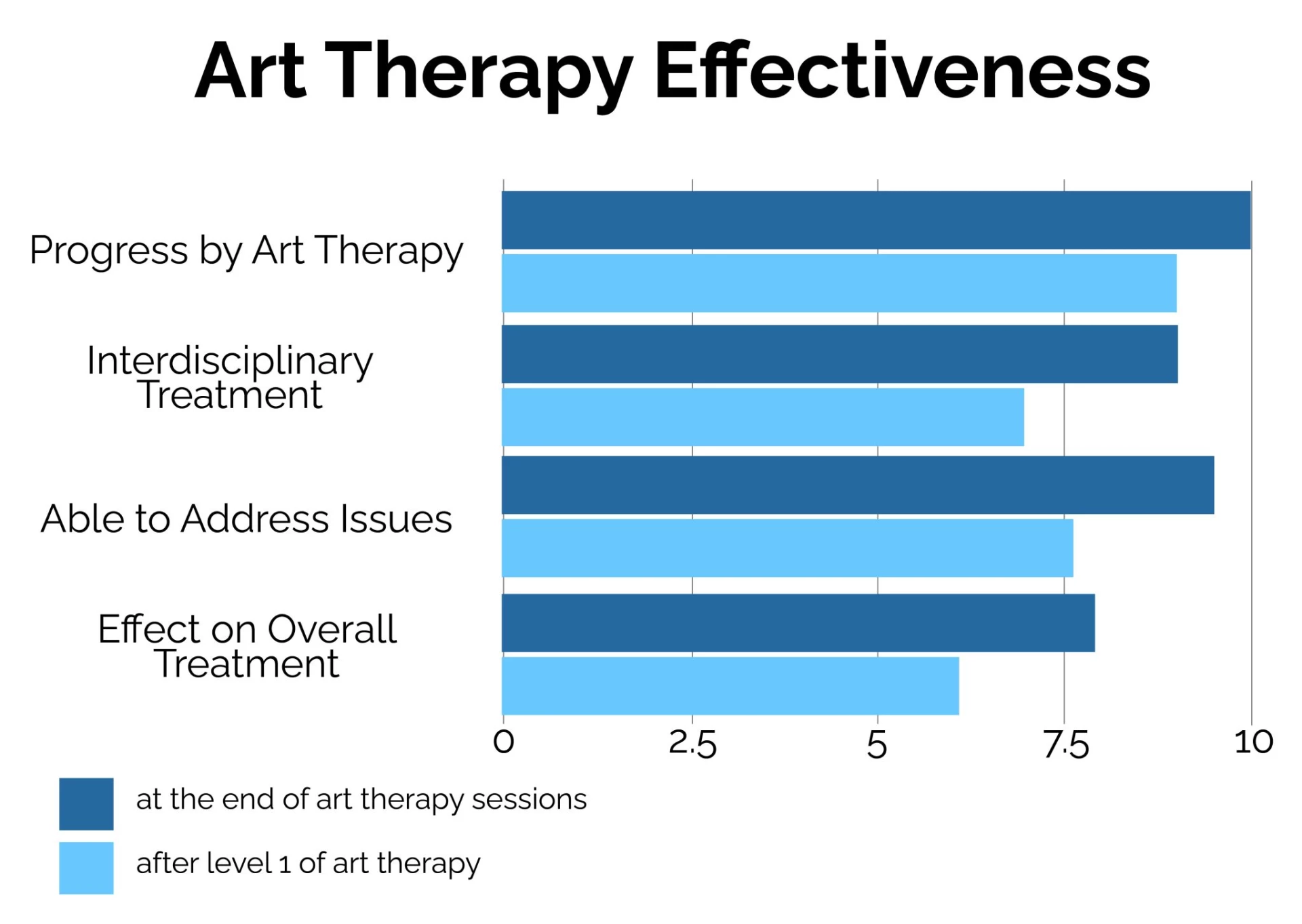
Additionally, it makes individuals feel like they have greater control over their lives. While the creative process itself is exciting, an art therapy session also involves other activities.
Art therapy uses integrative strategies to engage the mind, body, and spirit in ways that go beyond verbal expression alone. Alternative forms of receptive and expressive communication that can get around language's constraints are encouraged by opportunities in the kinesthetic, sensory, perceptual, and symbolic domains. Visual and symbolic expression empowers individual, group, and societal development by giving voice to experience.
Now I will take you to the next chapter which will discuss the creative techniques of art therapy.
Chapter 3:
Creative Techniques of Art Therapy
This is the third chapter of the article.
In this article I will discuss some of the creative techniques of art therapy.
At the end of this chapter I will also discuss the basic structure of an art therapy session.

What are different techniques of Art therapy?
Art therapists have received training in identifying the best techniques for each client. Techniques change based on age, physical or mental handicap, and the needs that are being addressed. It takes both science and art to know the appropriate technique for each client.
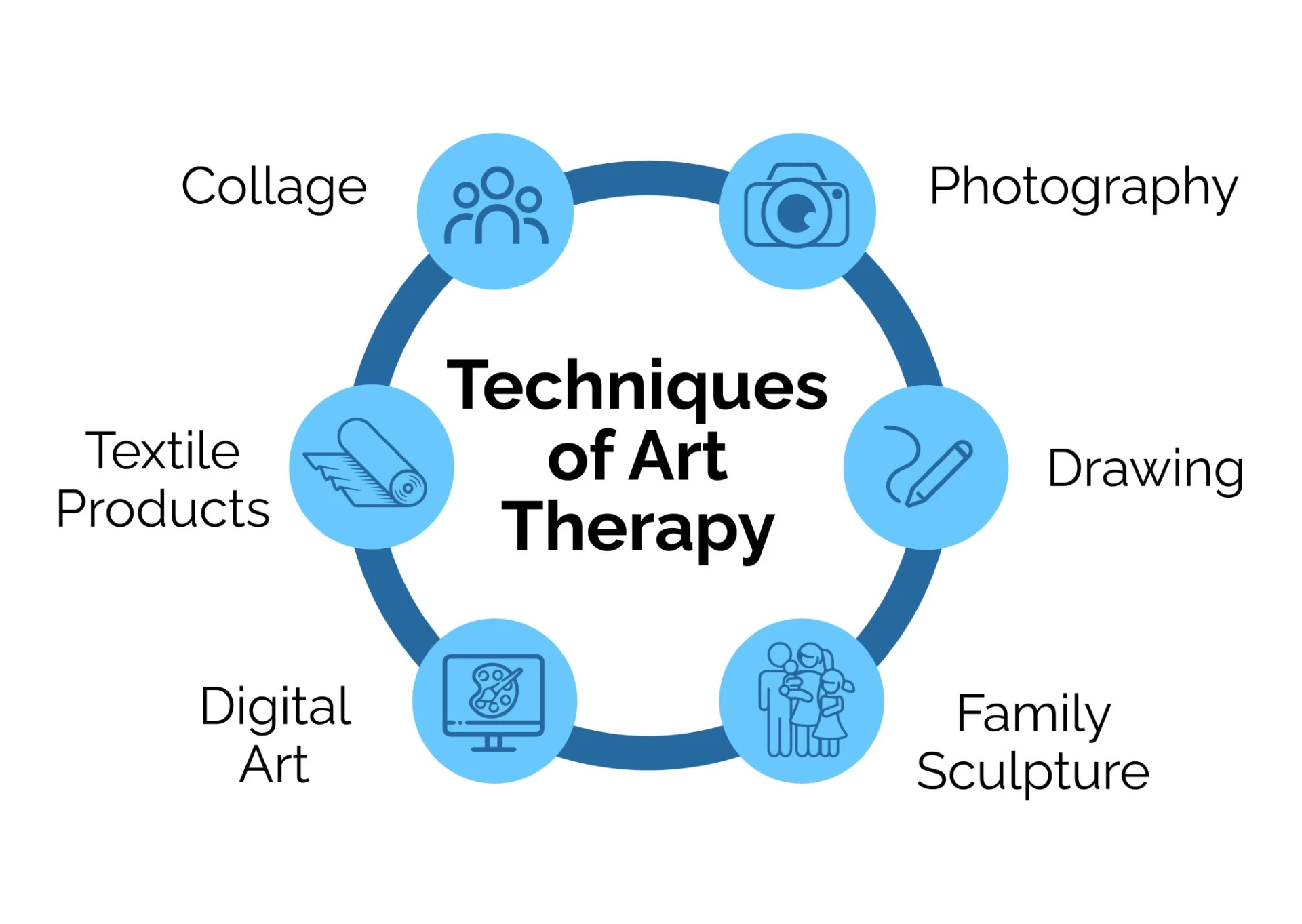
These are some techniques that an art therapist might use during the session.
1. Collage:
Art is a difficult, intimidating process for some people. Some people resist making marks on paper, perhaps as a result of receiving unfavorable feedback as youngsters or fear of producing something polished and acceptable. However, typical "talk" therapy is challenging for them as well since they lack the language to adequately express difficult feelings and ideas.
Art therapists employ a variety of "collage" techniques with these people. The art therapist works with these clients to cut and paste together images using magazine photos, internet images, or other items they have collected from books, pamphlets, junk mail, etc.
2. Photography:
The second technique is referred to as phototherapy. For therapists who desire to use this intervention, further training is necessary in this technique. These images and tales may act as natural gateways for accessing, investigating, and conversing about emotions and memories, including deeply buried or long forgotten ones, as well as psychotherapy difficulties these bring to light. A photograph's "meaning" is not found in the visual details, but rather in the emotions and sensations it causes in the viewer.
3. Drawing:
The client uses an item for straightforward mark-making when applying drawing techniques in art therapy. Working on paper-based substrates is typically required, and tools used include pencils, pens, pastels, charcoal, and crayons. The majority of clients are familiar with drawing tools, so they can utilize them effectively and without any teaching or annoyance.
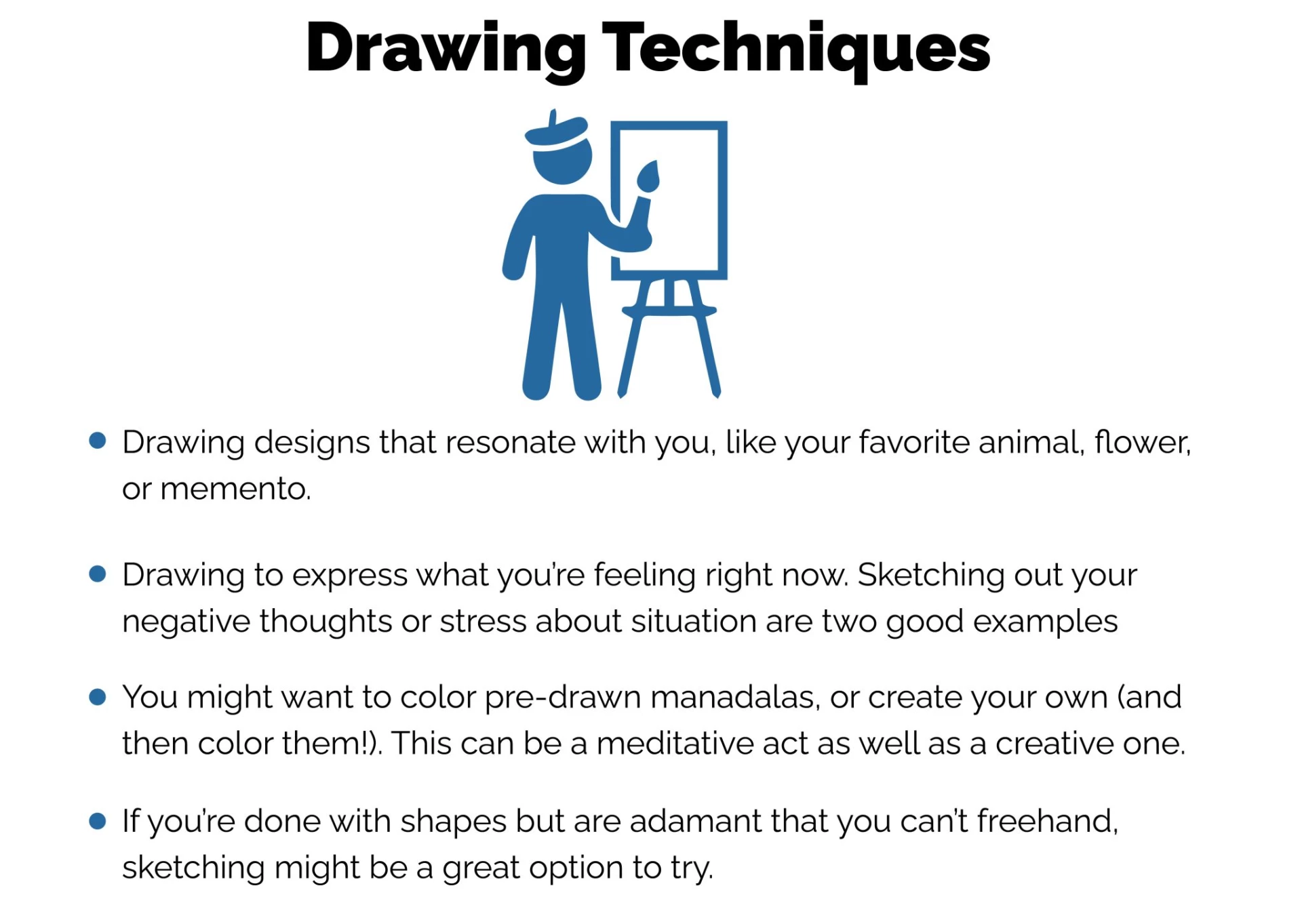
People occasionally perceive sketching as a specialized ability and may have preconceived notions about what it entails. This can prevent the client from using therapeutic sketching techniques. The therapist will remind the client that the goal of art therapy is to examine emotional issues through art, not to create an artwork, as is the case with other art therapy techniques.
4. Family Sculpture:
Art therapists have long utilized clay or other materials to create sculptures, but family sculpture is a more recent intervention. Each family member or a representation of each member is sculpted by the client.
Just portray the family members; the representations don't even need to resemble individuals. These images reflect characters; for example, a huge figure can indicate an overbearing parent.
The client also arranges the figures in relation to one another, symbolically demonstrating to the therapist the connections and modes of communication within the family even while other members are not there. This helps the client and the therapist better appreciate how the client's family's structure and patterns have impacted him or her and may have even contributed to some of the client's current problems.
5. Digital Art:
The methods employed by therapists in relation to digital art and media are the most recent, intensely contested, and unproven in terms of their therapeutic efficacy. However, the cultural shifts these new media platforms have brought about necessitate that therapists continue to offer digital options, particularly when working with generations who were up in the digital era.
Using internet tools for art therapy is a developing and expanding trend. Utilizing graphics software or video editing software, one can manipulate pictures or produce more complex artistic projects using digital approaches.
It is crucial to establish limitations with the client regarding how any photos made will be maintained because photography is a digital art form that is accessible online and shareable. Future generations who live in a more digitally dependent environment will certainly place a greater emphasis on the digital component of art therapy.
6. Textile products:
When employing textiles in art therapy, plush animals and puppets are frequently used. This kind of art therapy is beneficial for kids and adult clients who have physical challenges using tools that demand fine motor skills.
Textiles offer a softness and texture to the environment that can help the client feel safe and comfortable. This helps foster a relationship of trust between the patient and the therapist.
What is the Structure of Art Therapy session?
Sessions in art therapy will vary because art therapy is such a diverse field. The majority of the time, though, your first session will start with you and your therapist talking about the problems or concerns you'd like to concentrate on.
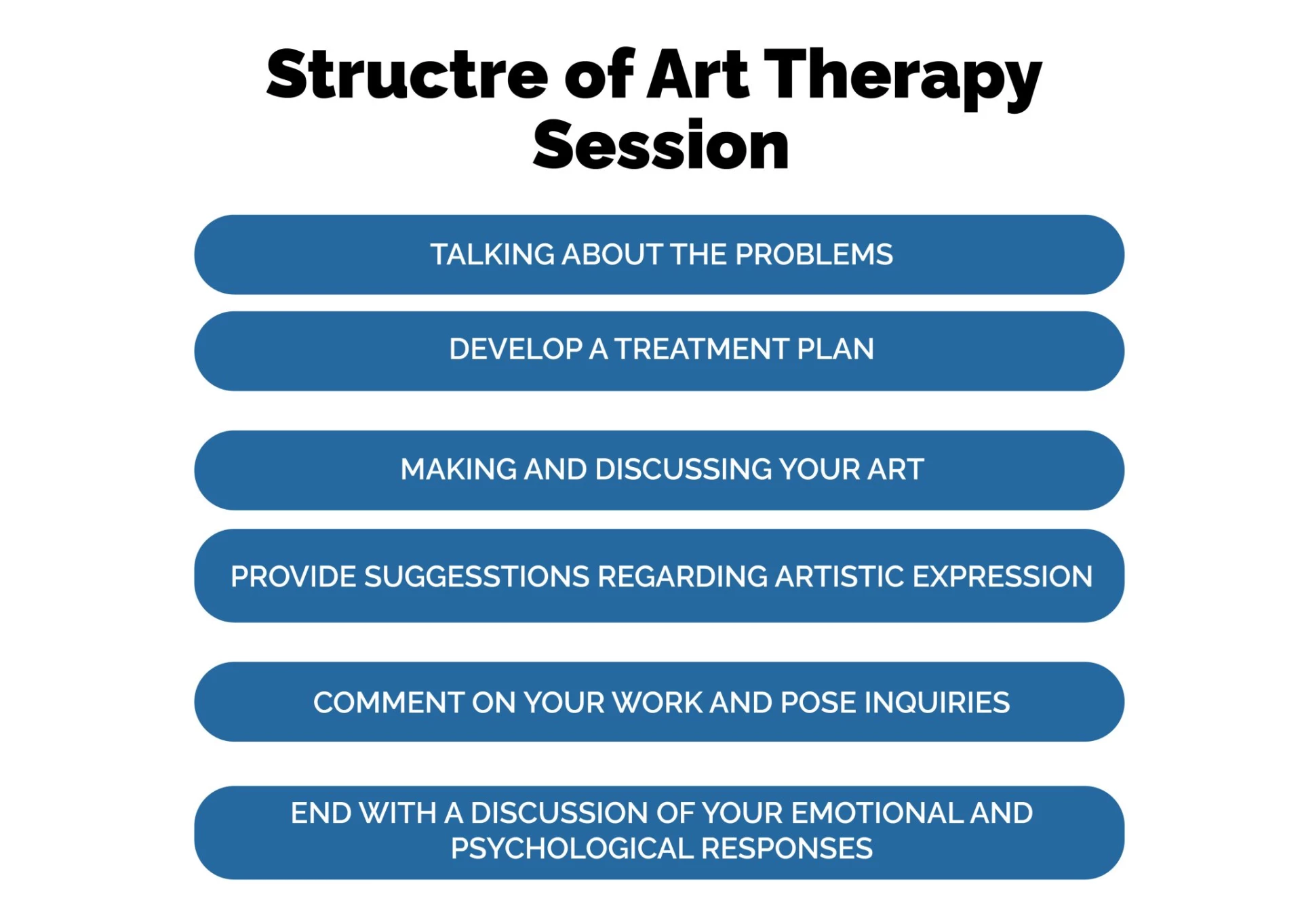
You will jointly develop a treatment plan after your therapist has inquired about your reasons for beginning therapy and the kinds of objectives you hope to achieve. The majority of your sessions will then be devoted to making and discussing your art. Particularly in the beginning, your therapist may merely provide suggestions regarding particular forms of artistic expression and watch you as you create whatever form of artwork you have chosen.
Your therapist will probably pause sometimes to inquire about your emotions and experiences while you were working on your art, as well as any recollections or ideas that came to mind. Later, your therapist is likely to comment on your work and pose inquiries to elucidate its significance.
Your therapist may observe, for instance, that you frequently draw birds or always sketch out your drawings before coloring them. The majority of sessions will end with a discussion of your emotional and psychological responses to the day's work.
Now I will take you to the next chapter which will discuss uses of art therapy.
Chapter 4:
Uses of Art Therapy
In this chapter I will discuss some of the uses of art therapy sessions.
This chapter will also see the basic purpose of art therapy.
At the end of this chapter you will see why art therapy is better than other types of therapies.

What are the uses of Art Therapy?
People can be inspired by art and be persuaded to view the world in new ways. Painting a picture, writing a tale, or performing music are all examples of art. The brain is stimulated by art in all of its forms. The ability to motivate others to take constructive action is the strength of art.
Art may be a significant part of the healing process for those who are recovering from substance misuse, which is why art therapy is so vital. People can communicate their thoughts, ideas, or fears uniquely via the use of art. Even better, they might learn something new about themselves.
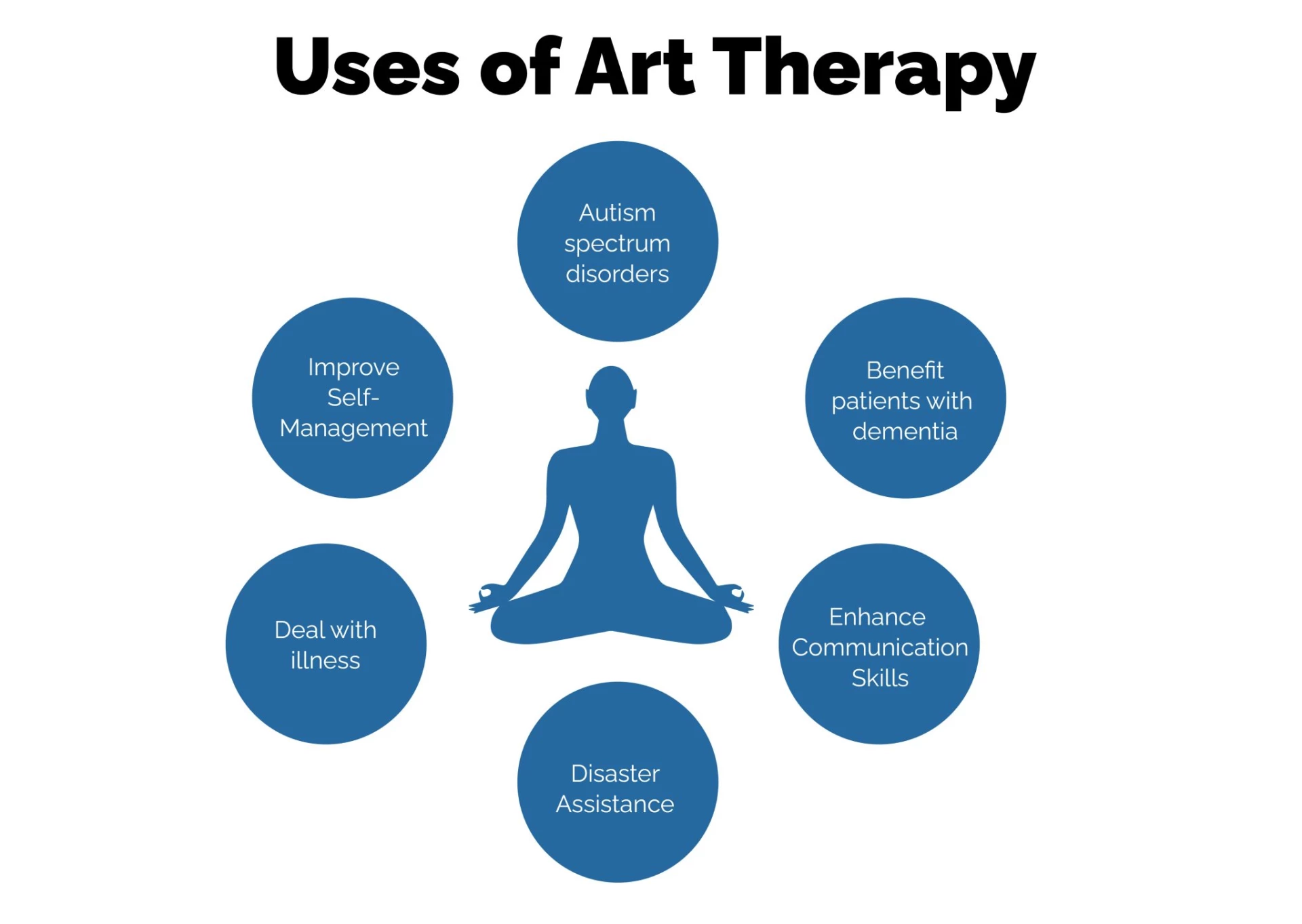
These are some major uses of art therapy:
1. Improve Self-Management
One common side effect of addiction is loss of control. Getting high could take precedence over one's duties to one's family and job. They find it difficult as a result to balance their substance use disorder with their regular activities. The client benefits from art therapy by learning how to concentrate, develop discipline, and lead a healthy life.
2. General Illness
Making art is a popular activity that many people use to deal with illness. Numerous ailments can be improved through art and the creative process. Additionally helpful to persons with mental problems, this sort of therapy. Art therapy addresses a variety of mental diseases to varying degrees, making it impossible to gauge its effectiveness; yet, people can get away from the emotional effects of these illnesses by creating art and using other creative outlets. A person's experiences can be expressed through art when they are unable to communicate them verbally for one reason or another. People can use art as a coping mechanism to explore their past, present, and future experiences during art therapy.
There are no boundaries to the mind when it comes to coming up with original ways to communicate feelings, and art may be a haven for the deep emotions linked with disease. When it may or may not be difficult for people with general illnesses to communicate their sentiments through words, art therapy can be a helpful way for them to express their sensations and emotions. If a person is uncomfortable expressing their emotions to others but can put their trust in a canvas or piece of paper to hold onto those emotions, art might help them feel more secure about their feelings.
3. Dementia
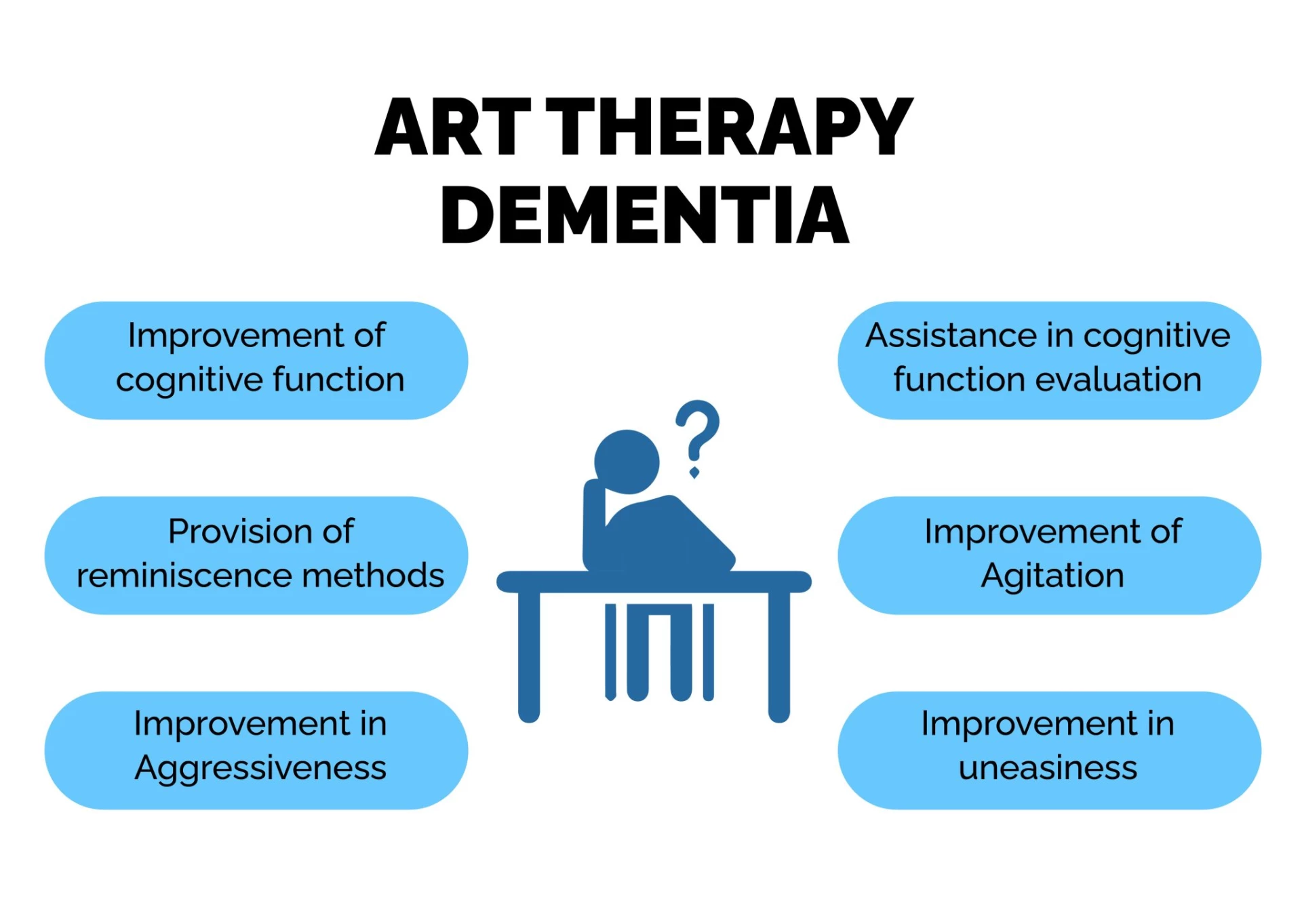
Art therapy appears to benefit patients with dementia. Since mobility can also be a challenge, it is crucial that the art supplies are straightforward to handle and comprehend. Although art therapy is effective in treating behavioral problems, it does not seem to have any impact on declining mental capacities.
Positive effects on quality of life are supported by circumstantial evidence. The impact of art therapy on memory or emotional wellbeing scores was unclear. However, according to the Alzheimer's Association, music and art can enhance people's lives and promote self-expression.
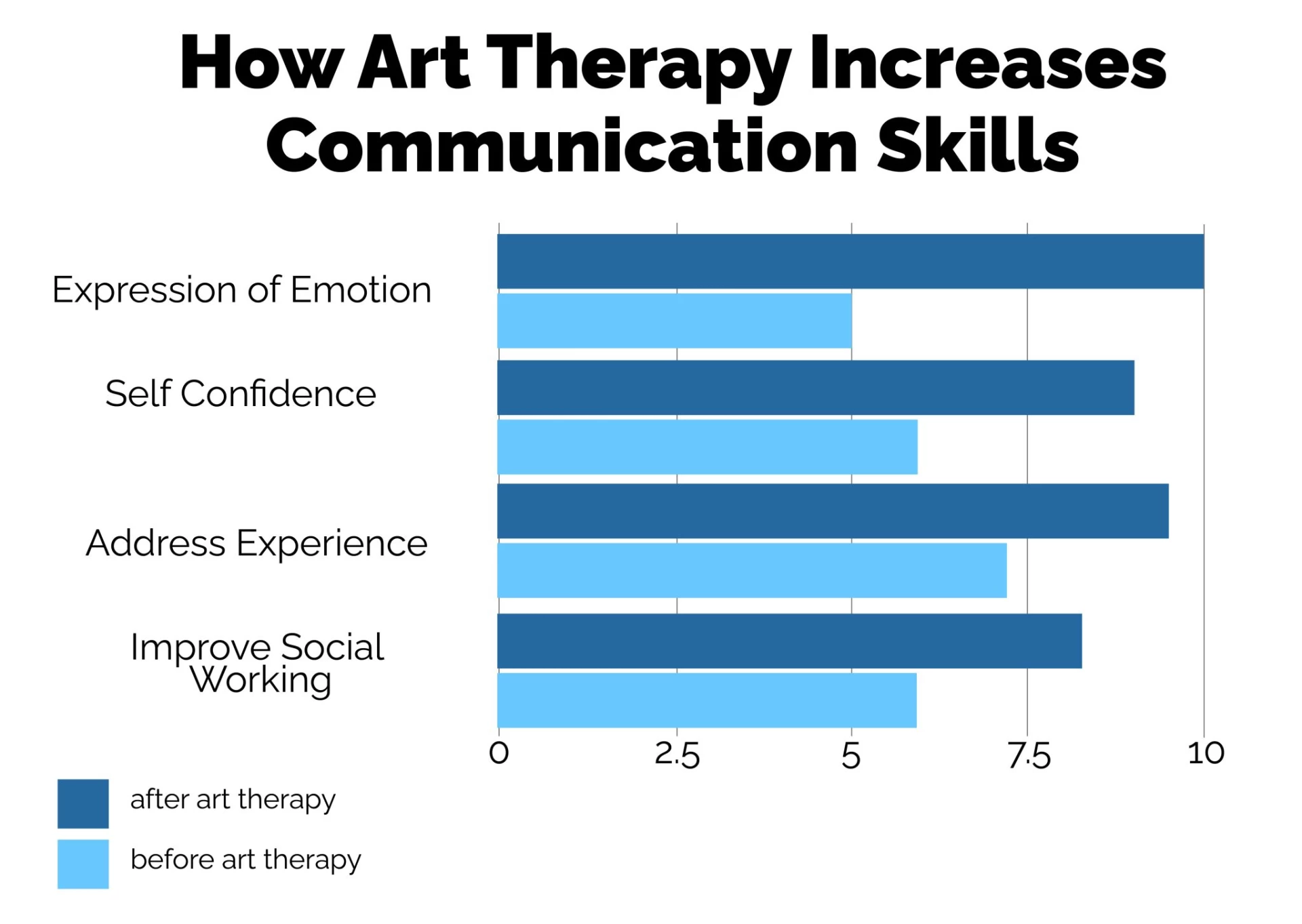
4. Enhance Your Communication Skills
People who find it difficult to express their emotions may turn to drugs or alcohol as a form of escape. Self-expression can be promoted by art therapy. Additionally, it can aid in the development of interpersonal communication skills.
5. Autism
As a means of addressing issues faced by those with autism, art therapy is gaining more and more acceptance. Through the support of psychomotor development, the promotion of sensory modulation, and the facilitation of communication, art therapy may address the main symptoms of autism spectrum disorders. Through the facilitation of self-expression, visual communication, and creativity, art therapy is also believed to foster emotional and mental development.
6. Disaster assistance
Various traumatic events, such as crisis management and disaster relief, have been treated with art therapy. After natural and man-made disasters, art therapists have worked with kids, teens, and adults, encouraging them to create art in response to their experiences.
Assessing for distress or post-traumatic stress disorder, normalizing feelings, modeling coping skills, fostering relaxation techniques, developing a social support network, and boosting a sense of security and stability are some suggested approaches for working with disaster victims.
What advantages does art therapy provide over other forms of therapy?
The ability of art therapy to convey ideas that cannot be verbally expressed is its greatest benefit over other forms of therapies. That's a great benefit for youngsters and adults alike who lack the language to express what's inside of them. It largely avoids the types of defensive thinking that may surface during spoken treatment.
What is the basic purpose of Art therapy sessions?
Art therapy primarily serves the purpose of rehabilitation. When a person is diagnosed with cancer or another physical or mental condition, they may experience symptoms that need to be managed in order to lessen their suffering.
In addition to assisting with trauma recovery, art therapy also aids in learning crucial facts about individuals. Clients with physical, mental, or emotional issues, diseases, and disorders can benefit from art therapy. Any form of visual art, including painting, drawing, sculpture, photography, and digital art, can be used as a therapeutic tool. Drawing or painting a certain feeling, keeping a creative journal, or freestyle creation are examples of creative exercises that can be used in art therapy.
Now I will take you to the next chapterwhich will discuss how to become an art therapist.
Chapter 5:
Becoming an Art Therapist
This is the most important chapter for you if you want to become an art therapist.
In this chapter, I will discuss some tips to become an effective art therapist. This chapter will discuss the minimum qualification required to become an art therapist.
At the end of this chapter I will discuss some of the skills required to become an art therapist.

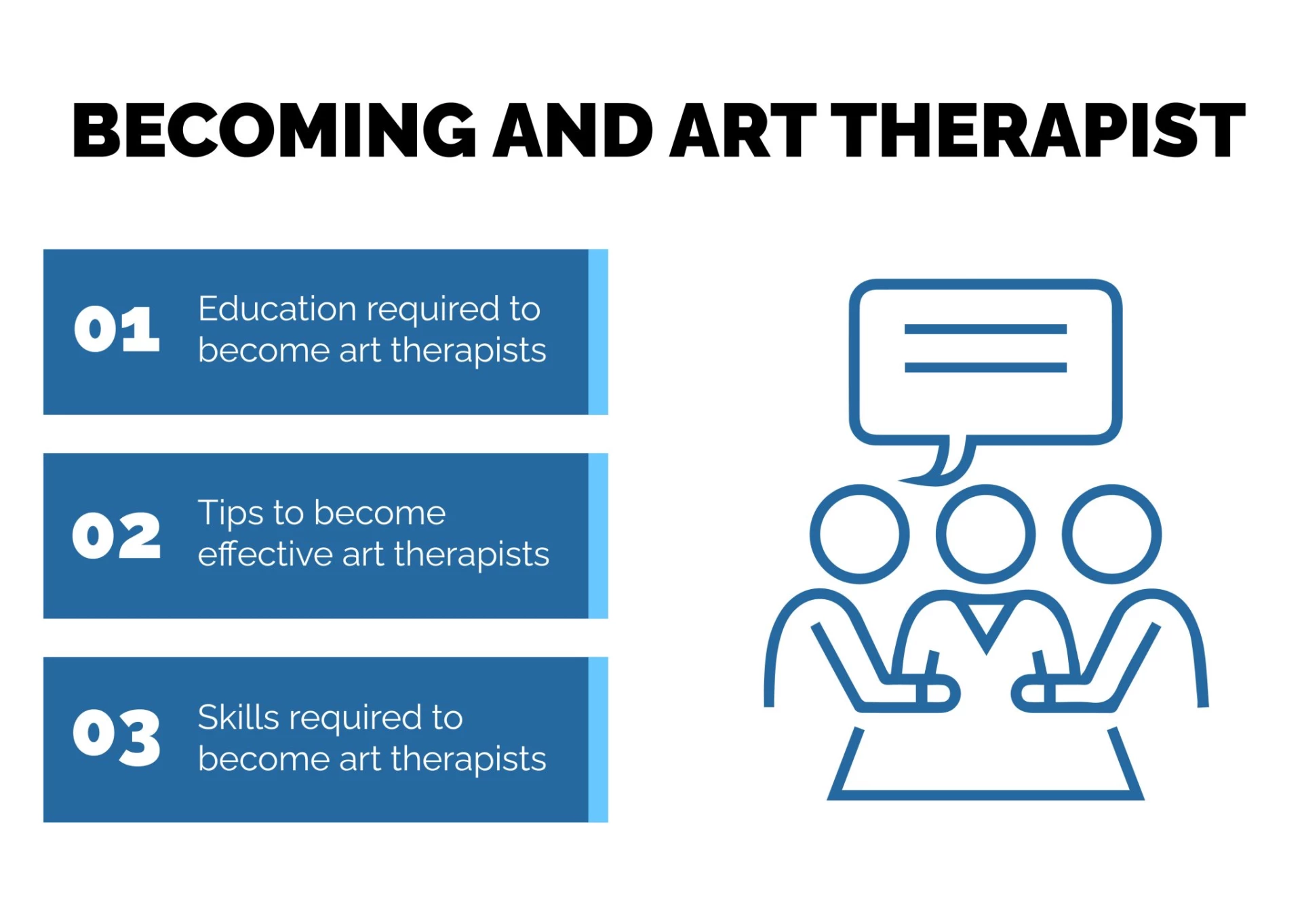
What kind of education is required to become an Art Therapist?
To perform art therapy at the entrance level, you need a master's degree. Graduate-level coursework in the creative process, psychological development, group therapy, art therapy evaluation, psych diagnostics, research methodologies, and intercultural diversity competence are all required by the educational criteria.
Additionally, students are required to complete 600 hours of supervised clinical art therapy internship and 100 hours of supervised practicum. In addition, graduate studies must be preceded by core psychological coursework and experience in studio art drawing, painting, clay, etc.. The guiding principle for the graduate program in art therapy is the idea that deliberate art-making is reflective practice and promotes learning.
What are some tips to become effective art therapists?
The practice of art and numerous facets of treatment are at the heart of the field of art therapy. In order to recognize more problems and start to comprehend a client, it is crucial to have a solid understanding of human development, psychology, and interpersonal communication as well as how to recognize the symbols and messages communicated via art.
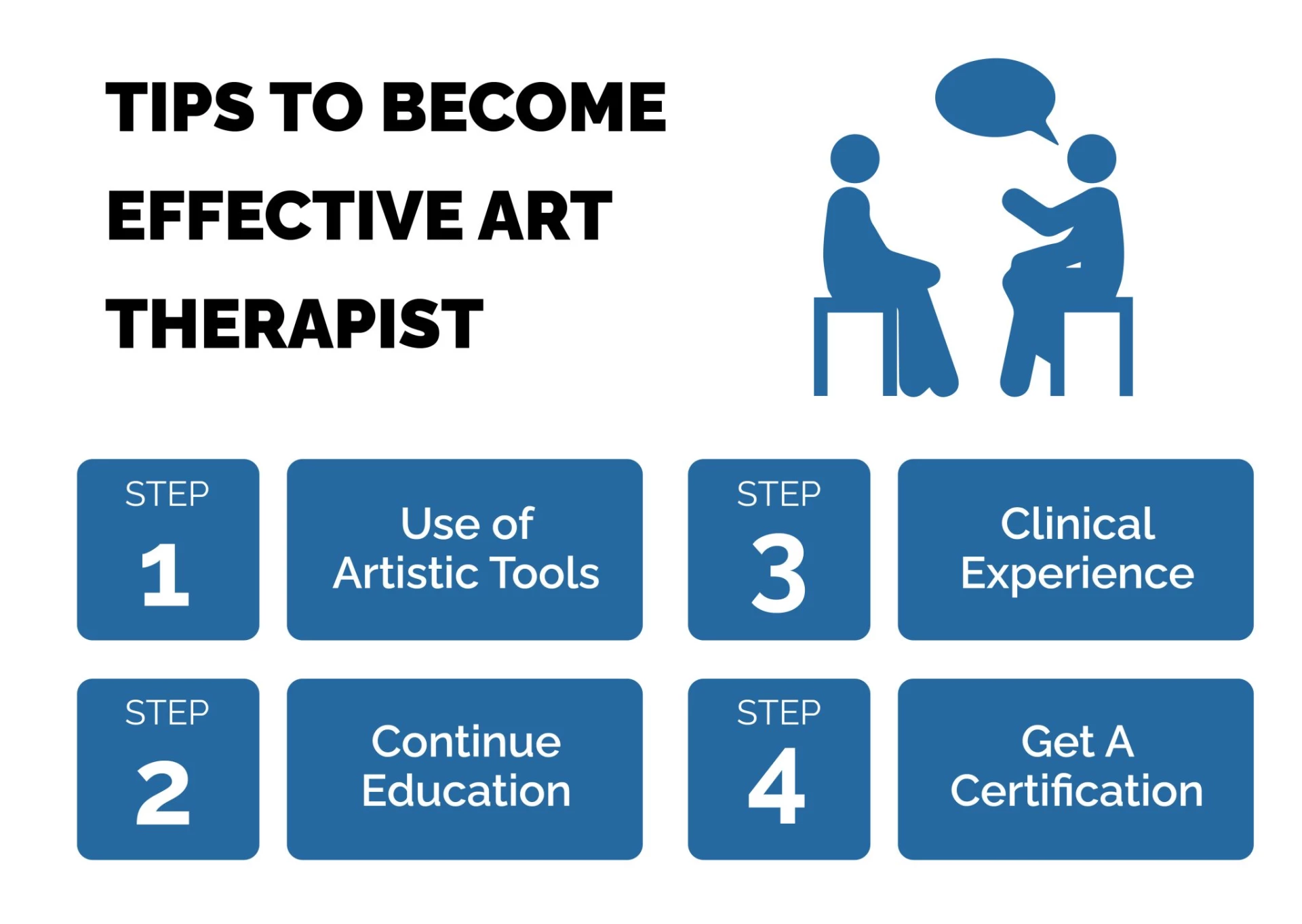
Art therapists must be educated in the creative arts, which might include expression through studio art, dance, music, or another kind of creative art, in addition to the clinical, therapeutic, and diagnostic aspects of their practice.
These are some tips to become an effective and successful art therapist.
1. Use of artistic tools:
It's not necessary for an art therapist to have training in the visual arts. However, being familiar with an artist's tools might be useful. A patient won't be creating a work of art from a specific period in art history. The art will be unique and have a useful purpose. In order to recover from mental discomfort, it is hoped that the patient's artwork will assist them in releasing suppressed emotions and concerns.
An art therapist with a creative background will be familiar with various paints, clays, and drawing implements. Therefore, the therapist should be aware of different artist tools.
2. Continue education:
Art therapists should continue his studies. Education makes you more and more credible. Studying multicultural studies, theory and practice, art analysis, studio art for therapy, and numerous psychology and human development courses are among the common subjects covered by art therapy students, depending on their program of study.
3. Clinical experience:
Getting clinical experience is the key to success in art therapy. Always enroll yourself in any clinical experience. Due to the fact that art therapy is a unique type of medical care, being a practitioner of this field necessitates a predetermined number of clinical practicums.
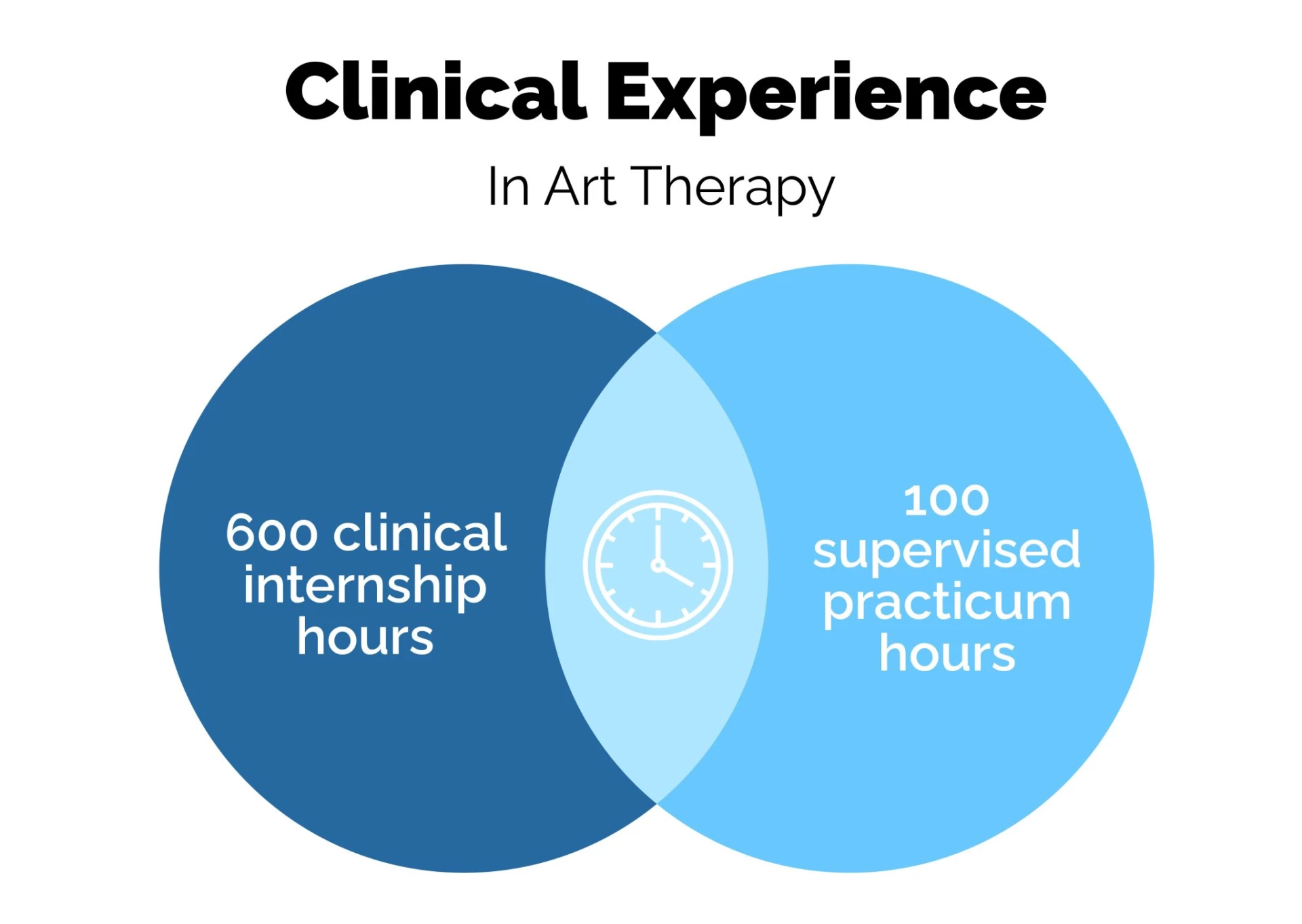
While particular criteria may differ depending on the educational program, art therapy students must complete at least 600 clinical internship hours and 100 supervised practicum hours. It's vital to remember that training programs may include extended internship and practical requirements. To graduate from an accredited program, you must meet the aforementioned requirements.
4. Get a certification:
Certifications make you more credible. For their work to be efficient and secure, art therapists need a particular set of abilities.
First and foremost, it's crucial to remember that an art therapist is still a therapist and may thus be working with people who have a range of psychiatric disorders such as trauma, anxiety, depression, substance abuse, etc.. Therefore, it's crucial to have a firm grasp of psychology and know how to communicate with clients in a therapeutic manner.
Additionally, it's critical to comprehend the value of client confidentiality and act morally when serving the client's wants. In addition to having experience with treatment, the professional must have a solid grasp of the kinds of art they plan to use in order to be successful. Because of this combination of abilities, an art therapist must possess certification.
There are many requirements that must be met in order to call one an art therapist in order to demonstrate competence. To practice art therapy ethically, one needs a master's degree, familiarity with psychology and art, supervised practice hours, and the title of registered art therapist from the AATA.
Which skills are required to become art therapists?
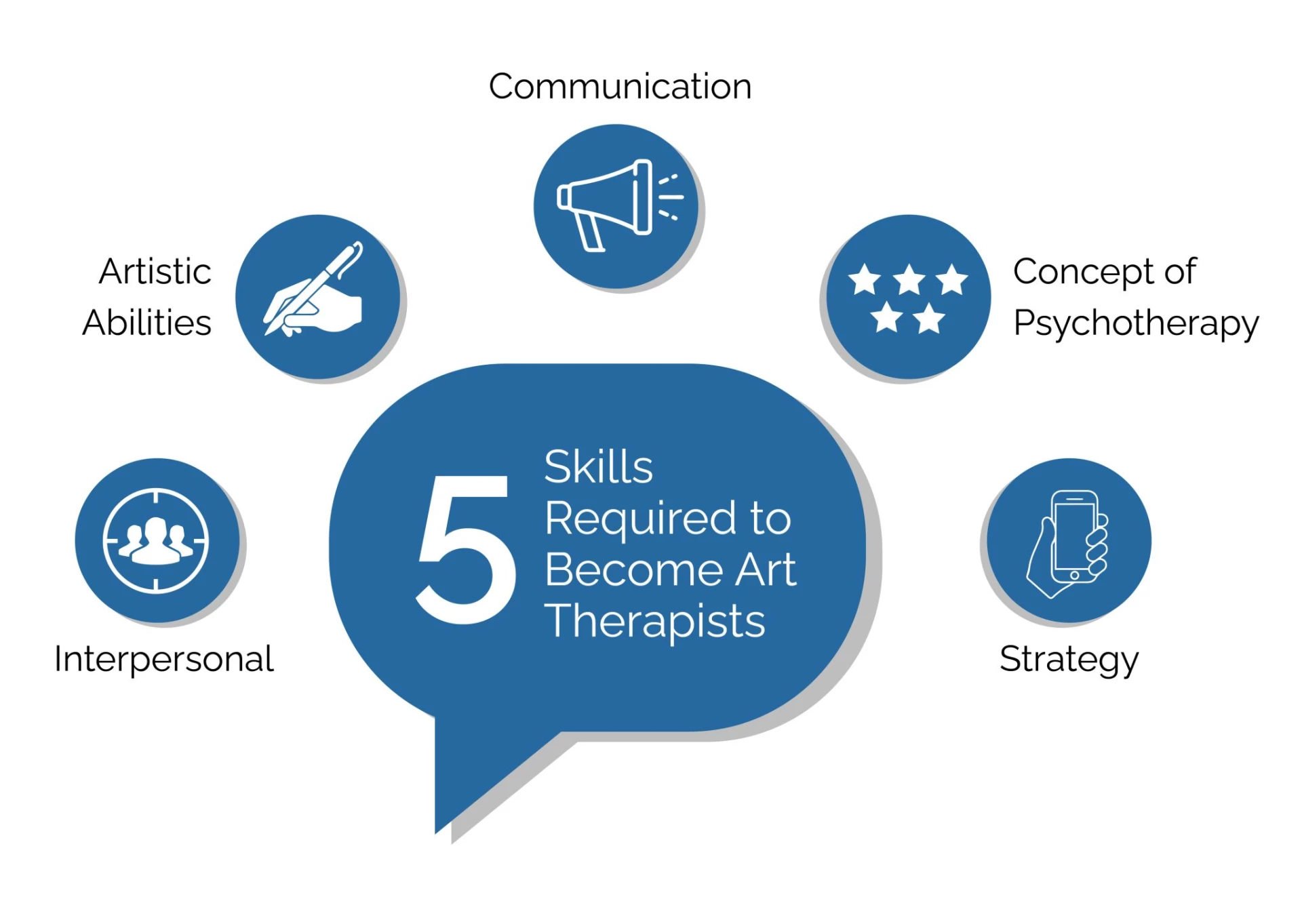
These are some major skills which are required for a successful art therapist.
1. Interpersonal
The capacity for compassion, empathy, teamwork, and self-awareness are all interpersonal skills. Relationship development requires interpersonal skills. Interpersonal abilities aid art therapists in gaining their patients' trust and evaluating their mental health. Therapists can inspire and work together with their patients and any medical professionals they may work with by using their interpersonal skills.
2. Artistic abilities
In order to express themselves, deal with mental health issues, or to aid in the rehabilitation of a patient with a cognitive handicap, art therapists urge their patients to express themselves through drawing, painting, and sculpture. Art therapists who lead art therapy sessions must have both art expertise and artistic talent.
3. Communication
When speaking with patients and recording observations and patient progress, art therapists need to have strong written and spoken communication skills. They listen to and comprehend others because they have strong communication abilities.
4. Concept of psychotherapy
Through the use of cognitive and behavioral therapies, psychotherapy aids individuals in addressing and comprehending their emotions. To assist patients in expressing their emotions via creativity, art therapists draw on their understanding of psychotherapy techniques. Interpreting patients' artwork also benefits from having psychotherapy-related knowledge and skills.
5. Strategy
The ability to create and plan a strategy is very crucial. This ability is used by art therapists to create treatment regimens for their patients. Individual art therapy sessions and patient journeys can be anticipated and planned for with the use of strategy. Strategically minded therapists are frequently adept problem-solvers, and they can use this too.
Now I will take you to the next chapterwhich will discuss counseling approaches in Art Therapy.
Chapter 6:
Counseling Approaches in Art Therapy
This is the second last chapter of the article. This chapter will discuss counseling approaches in art therapy.
It will discuss psychodynamic and humanistic approaches.
At the end of this chapter I will also discuss which counseling approach is best to use in art therapy.

What are some counseling approaches in art therapy?
Counseling approach is defined as:
“The creative process of the visual arts is combined with counseling and therapeutic models in art therapy. The counseling approach used by therapists reflects their idea of teaching and training.”
The most popular fields of art and psychology were among the foundational disciplines from which art therapy emerged. Art therapy has developed employing a variety of theoretical ideas from the psychology viewpoint.
These are some counseling approaches in art therapy:
- Psychodynamic approaches
- Humanistic approaches
- Psycho-educational approaches
- Other approaches which may include: group art therapy, family art therapy, etc.
Humanistic and more psychodynamic approaches have historically been more prevalent in art therapy.
What are Psychodynamic approaches in Art therapy?
Psychodynamic theories recommend looking into the client's past to identify the underlying causes of the client's present problems.
“Psychodynamic approaches rely heavily on unconsciously formed perceptions and thoughts that have been formed throughout childhood. The influence of these views and thoughts on present behavior might be explored in therapy.”
Some clients may be aware of the relationship between their childhood and their adult lives, but others may not. For instance, a person's current partner choices may be influenced by how their self-esteem has developed.
Therapists can assist clients in creating a road map of how they arrived to where they are in life now so that the client can comprehend the links between their history and their current behavior.
This can be an effective art therapy exercise where clients can examine significant life events and visually understand how these events may have influenced decisions they made later in life. The flexibility of psychodynamic techniques enables the client to participate in self-discovery.
This can be said of psychodynamic theories as well. A self-discovery process depends on the client's drive to learn insightful things. If the client wishes to intentionally or unconsciously avoid a particular issue, this momentum could stagnate.
If negotiations become too tense or difficult, a client can lose interest. In this situation, it is crucial for the therapists to identify the patterns and reframe the self-discovery process.
In these circumstances, art therapy can be highly helpful since the client can express themselves creatively and personally without feeling under pressure to articulate profound verbal ideas.
The foundation of art therapy is significantly influenced by the psychodynamic approach. The creative process and the beneficial results that art therapy produces are fundamentally based on Freud's theory of free association. Without the option of rehearsed communication between the client and the therapist, this free association method allows the client to explore and communicate their inner feelings and thoughts.
What are Humanistic approaches in Art therapy?
“Humanistic approaches place more emphasis on the client's strengths and the realization of their potential rather than on the client's prior experiences. Aspects of investigating emotional turmoil, self-expression, discovery, and growth are included in humanistic approaches.”
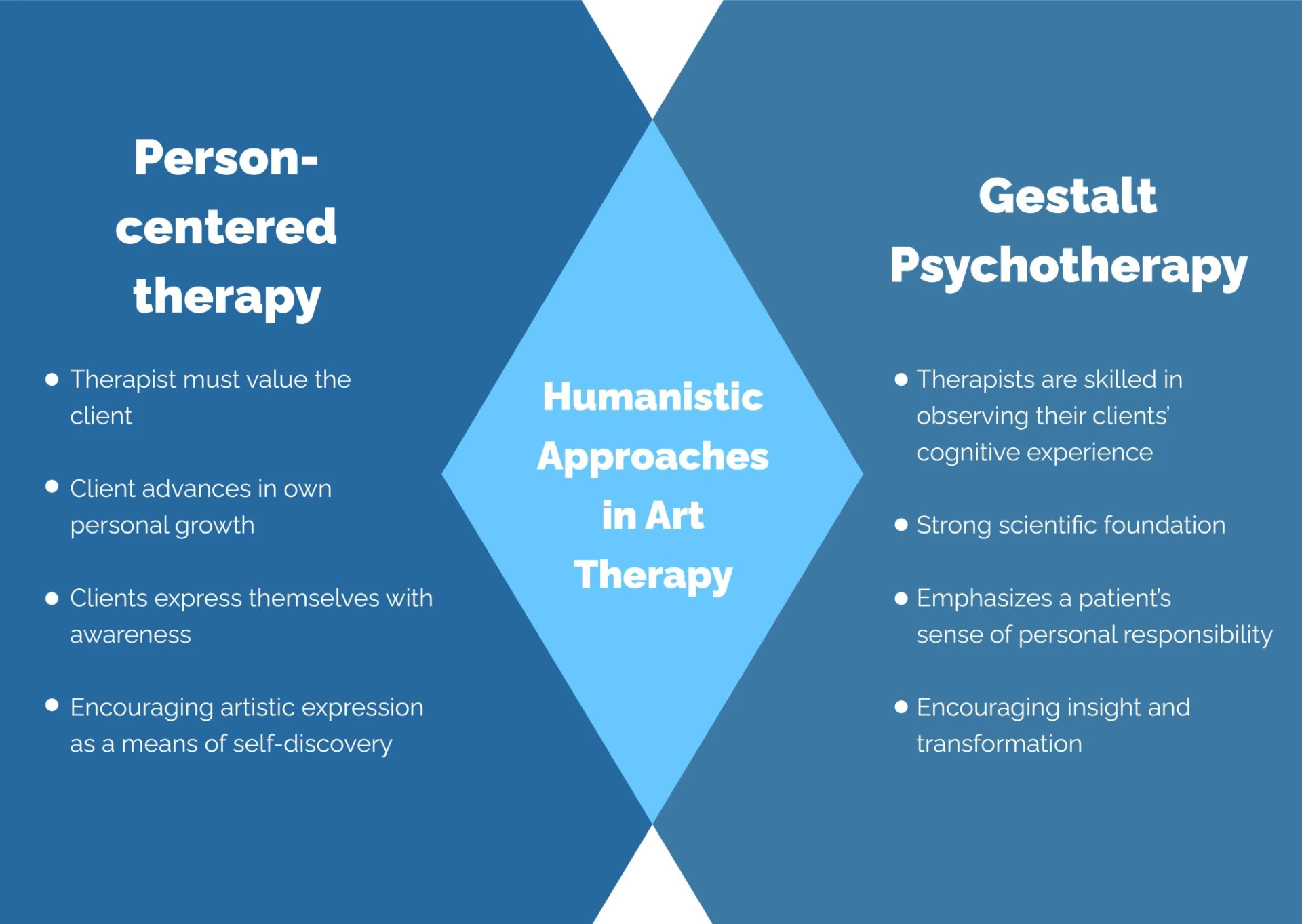
Some of the humanistic approaches are:
- Person-centered therapy: Emphasis is put on empathy and respect for the client in person-centered therapy. Prior to the client accepting themselves and building their feeling of worth, the therapist must value the client.
The customer will be motivated to advance in their own personal growth as they feel more confident about themselves. In a person-centered setting, the client is encouraged to express themselves with the awareness that doing so will promote personal growth. This kind of self-expression is appropriate for art therapy, which frequently achieves the crucial two goals of:
- Encouraging artistic expression as a means of self-discovery
- Giving a sense of achievement
Gestalt Psychotherapy: It incorporates a combination of Freud's psychoanalytic techniques that have been updated and improved with a strong scientific foundation. Gestalt treatment emphasizes a patient's sense of personal responsibility, their present-moment experience, and their social context. Gestalt therapists are skilled in observing their clients' cognitive, emotional, and bodily experiences with the goal of using these aspects to encourage insight and transformation.
Which counseling approach is best to use?
The aforementioned counseling approaches have undergone a rigorous scientific evaluation to determine their effectiveness. Some have scant evidence, while others have a ton of evidence. A component of criticisms of the therapy’s efficacy or the scientific method used to evaluate its usefulness typically accompanies every piece of evidence pointing to the therapy's effectiveness.
The exposure to therapy models during a therapist's education has an impact on the process of choosing a counseling approach. This applies to the therapist's network-building strategies after completing their formal schooling as well. Additionally, a therapist's choice of counseling strategy for a client will be influenced by their initial place of employment. These factors are typical of the biases that therapists experience in the workplace.
In addition to your skill set, the counseling approach you select should best meet the needs of the client. Although you might come across a method with a high rate of efficacy, it's crucial to have the right levels of training to make sure the therapy goals are properly achieved.
Many various issues may be present when your client first enters treatment. These issues could be temporary or ongoing in nature. Some might be connected to a particular circumstance, like a divorce or medical ailment. Some of them can be connected to traumatic incidents that happened many years ago. Some of them might be connected to persistent developmental problems that won't go away.
Each client brings a unique set of events and life experiences with them. The needs of the client and their receptivity to therapy must be intuitively assessed by the therapist. This also applies to the client's demographics, including age and emotional and cognitive development.
Now I will take you to the final chapterof the article which will discuss Art Therapy assessment methods.
Chapter 7:
Art Therapy Assessments
This is the final chapter of the article. This chapter will firstly define art based assessment.
It will discuss how therapists evaluate different types of functioning in patients.
At the end of this chapter I will also discuss some methods to do art therapy assessments.
What is Art based assessment in art therapy?
Art based assessment is defined as:
“Art based assessment is based on the arts. It is an objective measurement of an art therapy session that allows for the collection of unique information about a client's behavior and health while incorporating artistic knowledge or resources into the assessment process.”
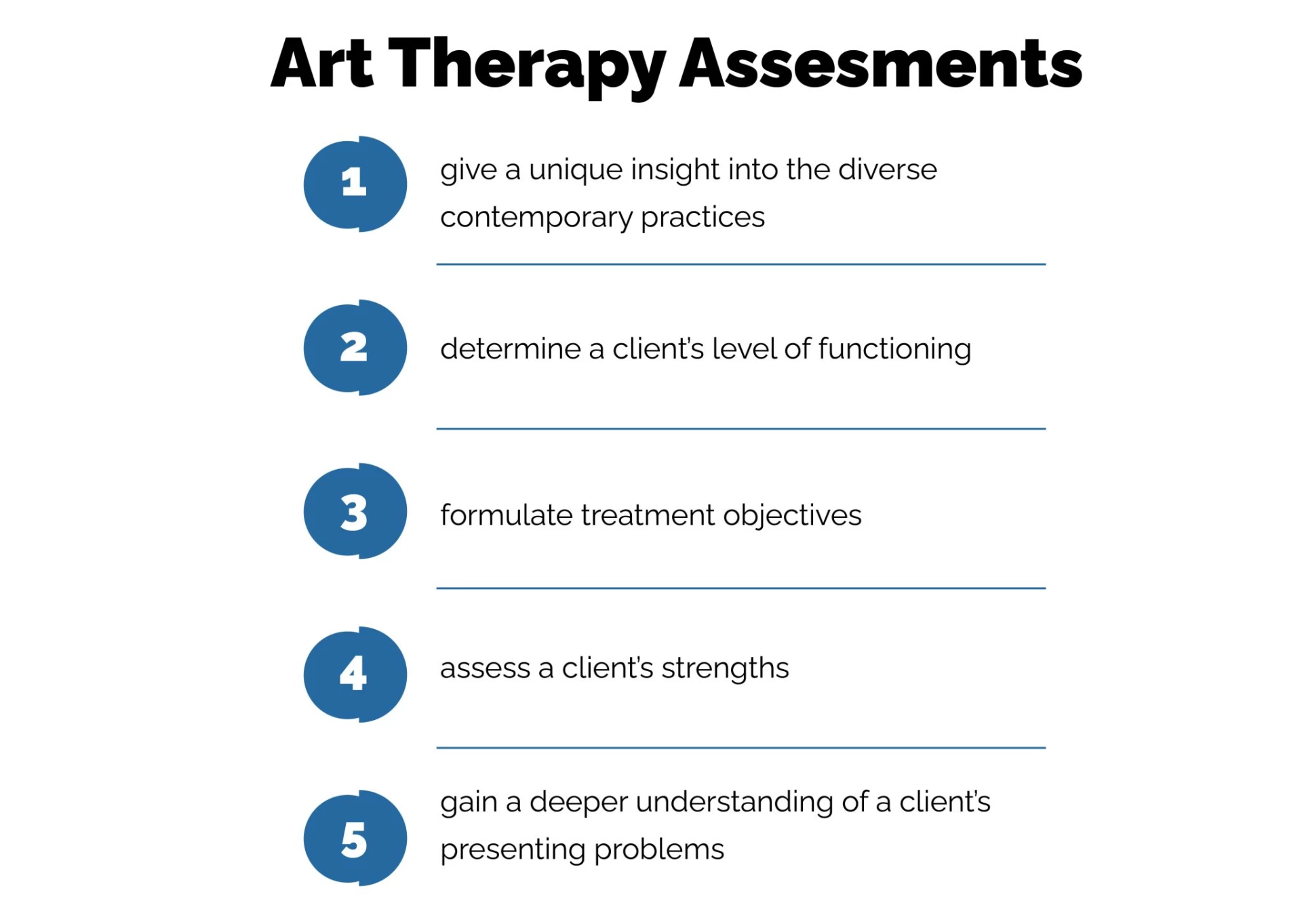
Art-based assessments are used by art therapists and other professionals to examine emotional, cognitive, and developmental issues. Additionally, many psychological tests use artistic expression to examine various aspects of mental functioning. These examinations, the majority of which rely on straightforward instructions and a uniform selection of art supplies, are conducted and interpreted by art therapists and other experts with training in these fields.
The first psychological drawing test was developed in 1906 by German psychiatrist Fritz Mohr. The Draw-A-Man Test was developed by researcher Florence Goodenough in 1926 to gauge children's intelligence. The Draw-A-Man Test's interpretation hinged on the idea that the more details a youngster included in their artwork, the smarter they were.
What are some methods to do art therapy assessments?
Although assessment methods vary according to the different regions and nature of the working firm, here are two examples of methods to do art therapy assessments.
1. Mandala Assessment Research Instrument:
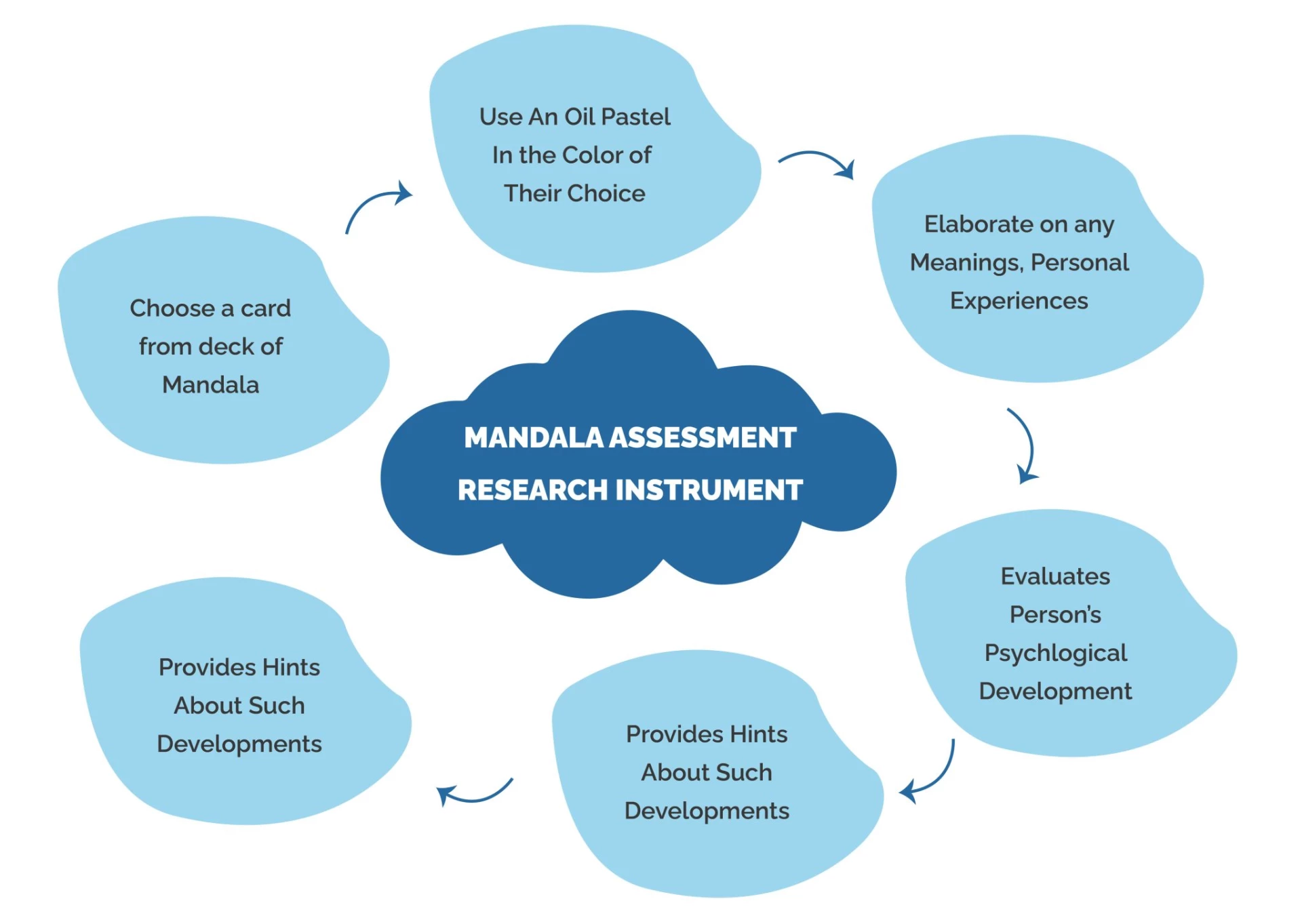
During this assessment, participants must first choose a card from a deck of mandala designs encased in a geometric shape before selecting a color from a set of colored cards. The user is then instructed to use an oil pastel in the color of their choice to design the mandala from the card they selected. The creator of the mandala is then asked to elaborate on any meanings, personal experiences, or other relevant details.
This test is based on Joan Kellogg's theories, according to which there is a consistent relationship between the images, patterns, and shapes that people draw in their mandalas and their personalities.
This examination evaluates a person's psychological development and current psychological state and provides hints about such developments. The mandala is a Buddhist design, and because of its spiritual roots, we can discover connections between it and transpersonal art.
2. House–Tree–Person:
In the house-tree-person assessment, the patient is asked to draw a picture of a house, a tree, and a person. The therapist then quizzes the patient on each drawing. For instance, a person posed inquiries about the house, such as "Is it a pleasant house?" and "What is the house constructed of?" The tree is being questioned about, among other things, its age and its life. Are they happy? And how that person feels are some inquiries about the person.
The house-tree-person test is an example of a projective personality test, which involves the test-taker responding to or providing ambiguous, abstract, or unstructured stimuli often in the form of pictures or drawings. Through the analysis of drawings, questions, and answers, as well as self-perceptions and attitudes, it aims to gauge many facets of a person's personality.
Conclusion
Congratulations!
You've completed this guidebook admirably, and you now have all the information about art therapy. Now you have a path to start your career as an art therapist. I hope that this article will be useful to you for your better health and bright future.
For a healthy life free of tensions and a bright future, this guidebook will help you a lot in the true sense!
What section of this guide was most informative to you?
Which type of art therapy is more interesting to you?
Have you ever been enrolled in an art therapy session?
Do you think that digital art technique is more modern and effective than others?
Would you like to start your career as an art therapist?
Have all of your questions been answered in the guide? If you still have queries about any area, let me know in the comments section below.
Frequently Asked Questions
What is Art Therapy?
What are some types of Art Therapy?
1.Dance Therapy
2.Writing Therapy
3.Drama Therapy
4.Music Therapy
5.Expressive Therapy
What can Art Therapy help with?
1. Anxiety
2. Depression
3. Addiction
4. Trauma
5. Issues with mental health brought on by illness or medical care
6. Childhood mental health issues, particularly those that affect nonverbal or verbally delayed kids
Art Therapy is not just for people dealing with the issues mentioned above. In general, engaging with an art therapist may be advantageous for anyone interested in developing psychological insight and processing emotions in a creative way.
