
Top Executive Coach From Africa
top executive coach from Africa
As leaders, we often find ourselves at crossroads, seeking guidance and inspiration to navigate the complexities of our roles. In our quest for growth and excellence, finding the right mentor can make all the difference.
In this article, I've had the privilege of conversing with a diverse group of top executive coach from Africa , each offering a unique perspective and wealth of experience.
From challenging conventional wisdom to pioneering innovative coaching methodologies, these coaches share their insights and philosophies on leadership development.
Join me as we explore their wisdom and uncover the secrets to unlocking your leadership potential.
Do you think you or a coach that you know deserves to be featured as a top executive coach from Africa? If yes, then fill out this form and we will consider your application and get in touch with you for the next steps.
Elsabé Manning
Elsabé Manning is a seasoned HR and Labour Consultant, Executive Coach, and Experienced Public Speaker with a background in Human Resource Management. She specializes in team development, coaching, and resolving internal issues. Elsabé also trains professional coaches and mentors, customizes keynote speeches for companies, and writes on leadership and self-development. She is the author of "Up The Corporate Ladder - Professionalism in the Workplace" and hosts a television segment on ABSA Bank's internal training channel.

What do you do differently, or how is your coaching different from others?
My coaching process works. I start with assessment of all aspects of my clients life and career to uncover gaps. I conduct a 360-degree assessment, interviewing people by asking them all the same questions – this assessment is based on people’s perceptions of my client. It is important because we often need to change people’s perceptions if my client is going to progress. During this first phase of coaching I assess my client’s values, principals, communication style, leadership and management styles and my client undergoes psychometric evaluation to establish training and coaching needs such as EQ, leadership ability, communication shortcomings, personality etc. When I give my client feedback we begin to write goals and objectives with achievable dates. I use NLP when I coach – it is very effective. I am in a fortunately position because I am able to give my client most of the training they need to improve their skill, knowledge and attitudes. I have contactable references for all my work.
What according to you has been the single most important thing that has contributed to your success as a coach?
My ability to counsel my clients during coaching has been invaluable because once we deal with emotional issues we can begin to focus on goals, performance and real change. I use a lot of different useful coaching and psychometric evaluations and tools to assess my clients because uncovering and facing where my client is at in the beginning of the process is crucial. I have trained many clinical psychologists and they all agree that emotional issues may be the cause of them being stuck and perhaps even failing.


Pamela Coburn-Litvak
Pamela Coburn-Litvak is a neuroscientist, author, speaker, and certified executive coach. Her coaching and training programs help organizations prevent burnout and promote a culture of well-being. After earning a PhD in Neurobiology, Pam’s research was published in Neuroscience and Neurobiology of Learning and Behavior.

Drawing on 25 years of research and teaching, Pam helps others manage work stress in terms of time/priorities management, communication, conflict, employee engagement, and change management.
What do you do differently or how is your coaching different from others?
My research-based coaching framework helps clients in three ways. First, we work on developing lifestyle habits to reverse the ravaging effects of stress/burnout and boost wellbeing. Second, we address workplace stressors at their source with practical, evidence-based solutions. Third, I provide a rich toolkit gleaned from neuroscience and psychology to help clients reframe thoughts and behaviors that may be causing them stress. Equipped with these tools, my clients become more resilient and able transform difficult situations into opportunities of personal growth and meaning.
What according to you has been the single most important thing that has contributed to your success as a coach?
Psychiatrist Viktor Frankl wrote, “Between stimulus and response there is a space. In that space is our power to choose a response. In our response lies our growth and our freedom.” I am most successful when I coach clients in that space. To do that, I use an original coaching framework (the Wellbeing Pyramid) that integrates principles from positive psychology, cognitive behavioral therapy, acceptance therapy, emotional intelligence, and research in resilience and post-traumatic growth to help clients see their own power of choice in any situation. Seeing and grasping this power is what unleashes powerful solutions.


Patrick Briody
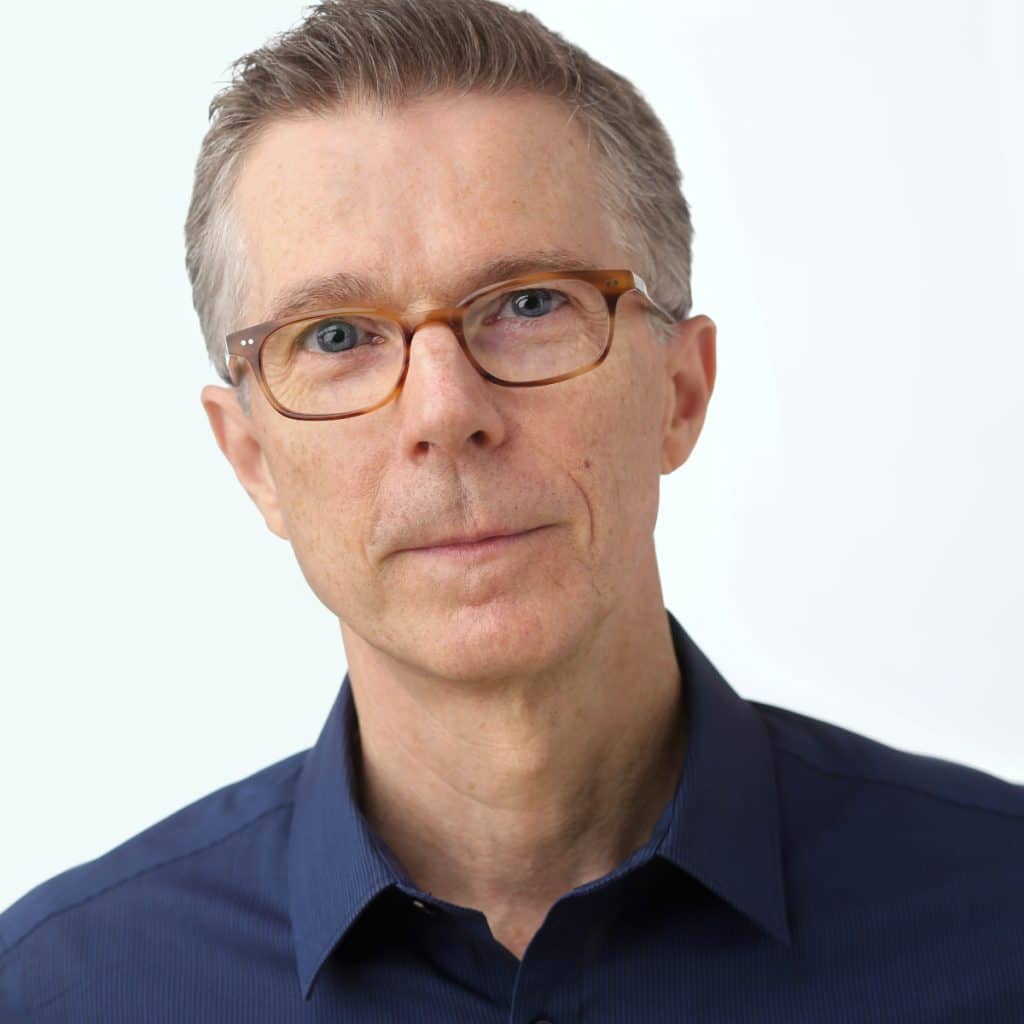
Patrick Briody is an ICF Professional certified coach, a former Wall Street managing director and technology business unit head, and a certified mindfulness teacher. Patrick works with Tech and Finance leaders in high-stakes roles on achieving their most important communication and influence goals. He’s also a skilled facilitator and teacher who’s guided hundreds of people in bringing mindfulness practice into their daily lives.
What do you do differently or how is your coaching different from others?
Leaders find that the more senior they become, the less feedback they get, and the harder it is to find a truly impartial thought partner. Patrick’s approach to coaching helps fill those gaps and gives leaders practical tools they can use to be the direct, concise, honest, caring, visionary communicator they know they can be. This work starts with building insight and self-awareness and continues with ongoing collaborative real-world coaching sessions that resonate with the leader long after the engagement is over.
What according to you has been the single most important thing that has contributed to your success as a coach?
Patrick’s clients get great results in part because they are, in a sense, getting two coaches for the “price of one.” Patrick has been in that senior executive seat and so can give the client feedback on how they are coming across that’s extremely relevant. Patrick is able to pair his real-world experience in fast-paced, competitive environments with a deep understanding of how our minds and personalities work, due to his many years practicing and teaching mindfulness. That unique combination of skills helps his clients gain a deeper understanding of themselves that leads to a better understanding of others.
Céline Williams (ACC)
Céline Williams (ACC) is an award-winning expert on culture design and people-focused leadership, with almost 20 years’ experience working with fast-growing organizations to help them navigate change and build leadership capacity. Céline is a trusted advisor to global clients and executive teams and hosts the Leading Through Crisis podcast. Céline is the founder of reVISIONARY, which won an award for Best Team and Executive Coaching Company (Eastern Canada) in 2021.

What do you do differently or how is your coaching different from others?
I work with leaders to improve their Emotional Intelligence skills, unlearn their stories, and broaden their perspectives. My specialty is working with teams of executives both individually, and as a group, to create safe spaces that deepen their connections and build powerful relationships. By focusing on the interpersonal dynamics, I’m able to help teams find sustainable alignment and thrive.
What according to you has been the single most important thing that has contributed to your success as a coach?
Psychiatrist Viktor Frankl wrote, “Between stimulus and response there is a space. In that space is our power to choose a response. In our response lies our growth and our freedom.” I am most successful when I coach clients in that space. To do that, I use an original coaching framework (the Wellbeing Pyramid) that integrates principles from positive psychology, cognitive behavioral therapy, acceptance therapy, emotional intelligence, and research in resilience and post-traumatic growth to help clients see their own power of choice in any situation. Seeing and grasping this power is what unleashes powerful solutions.
Steve Maher
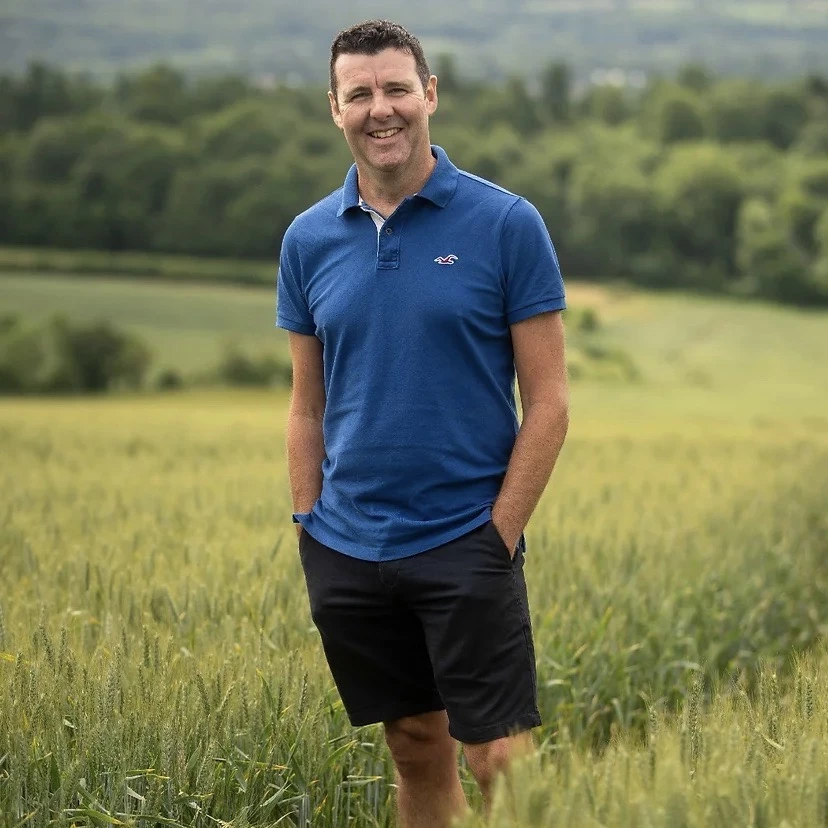
Steve Maher has been coaching and mentoring business leaders for over 15 years. In addition to running a successful coaching practice, he also works as a consultant/associate for a number of high profile firms and coaching organisations. He qualified as an executive coach at the world-leading Henley Business School and is an EMCC Accredited Senior Coaching Practitioner . In addition Steve is a qualified and registered psychotherapist having studied psychotherapy for many years.
What do you do differently or how is your coaching different from others?
Being both an accredited coach and psychotherapist allows me to help my clients understand better how their mind works. This is essential for personal growth. I work with clients to help them learn to accept our modes of thought rather than fight them so we can use this to help manage life's challenges. Normally it is the chains of the past or the fear of the future that holds people back. By working closely with my clients I help create an epiphany moment or moments that empowers them to drive change and growth for themselves.
What according to you has been the single most important thing that has contributed to your success as a coach?
The single most important thing that I have learned as a coach is that everyone has nine emotional needs that we must meet to be content and happy with ourselves. We start to struggle when we don't meet those needs in a healthy and balanced way. When we understand which needs are not being met we find the key to opening the door to improving things going forward.
Conclusion
As we wrap up our journey through the realms of top executive coach from Africa excellence, one thing becomes abundantly clear: success isn't just about expertise—it's about empathy, innovation, and a relentless drive to empower others.
These coaches exemplify the transformative power of mentorship, reminding us that behind every thriving career lies a guiding hand and a compassionate heart.
So, whether you're seeking fulfillment, navigating transitions, or chasing your dreams, remember that the path to success is often paved with the wisdom of those who've walked before us.
Our highest-rated course lays the necessary foundations about this for you. This is a paid course but you can register for FREE for a limited time here.
Do you think you or a coach that you know deserves to be featured as a top executive coach from Africa? If yes, then fill out this form and we will consider your application and get in touch with you for the next steps.
