

Somatic Therapy: The Definitive Guide
Last updated: March 2026
Somatic Therapy
The Definitive Guide
The authoritative resource on Somatic Therapy is here. This guide contains the most straightforward explanation of everything you need to know when it comes to Somatic Therapy.
I'll go over several fascinating facts about somatic therapy in this post, which will make you want to learn more about it and make reading it fun.
You'll also learn a lot from it and receive a lot of assistance.
So, if you want to understand:
- Somatic therapy completely
- Benefits from this therapy and treatment methods
- Techniques and exercises and how it works
- Its counter therapies
And more, then you will love this guide.
Contents






Chapter 1:
Introduction to Somatic Therapy
This is the article's first and most fundamental chapter, which provides a basic introduction to somatic therapy.
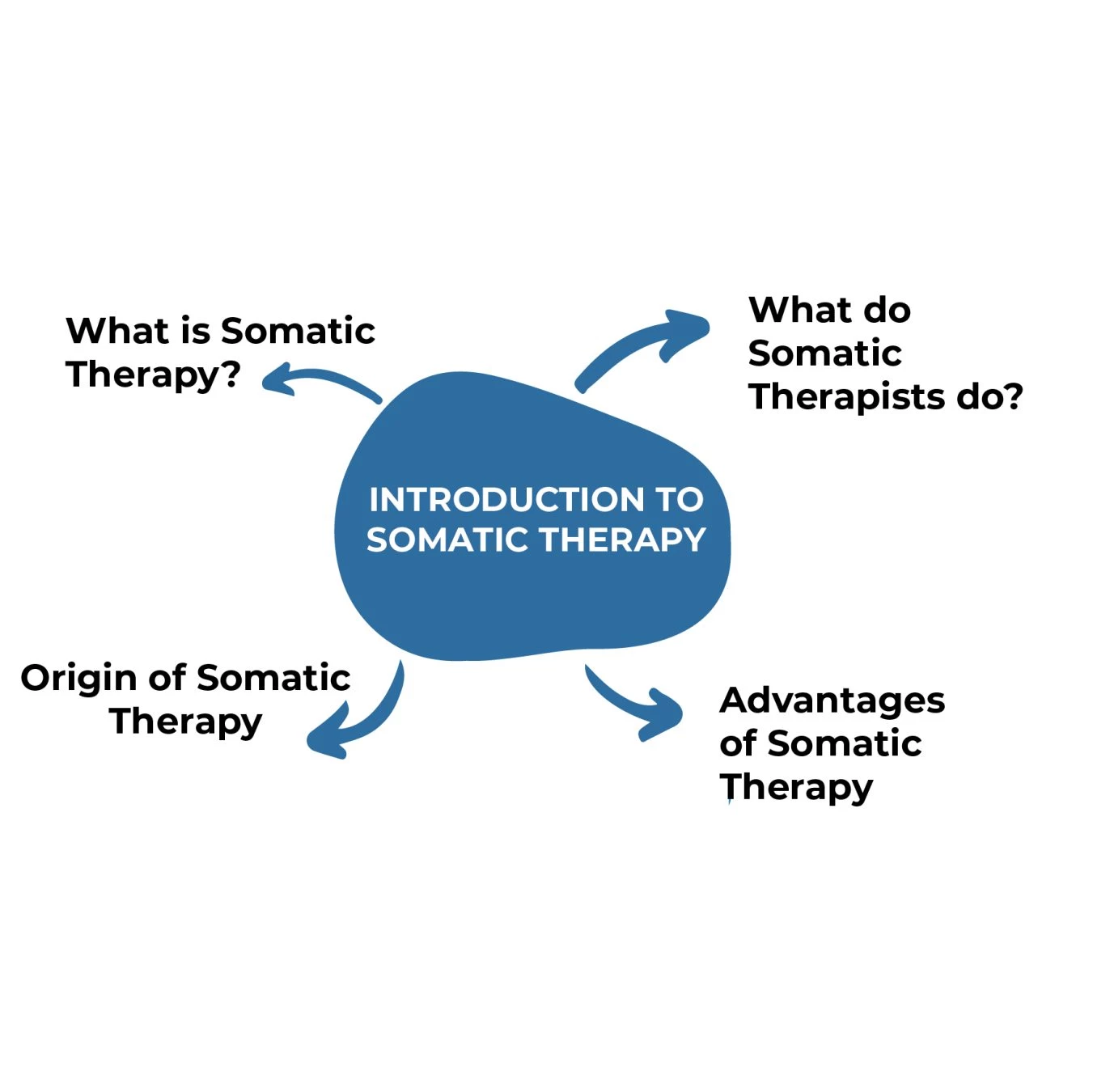
In this section, I'll explain the fundamentals of somatic therapy, its history, where it came from, and what therapists perform on the job.

What is Somatic Therapy?
There are numerous definitions of Somatic Psychotherapy, but given all of them, I believe this to be the most comprehensive one.
Somatic Therapy is a special kind of treatment that emphasizes the relationship between the mind and body in order to effect transformation.
Any Somatic Therapy will involve your body because the word "soma" simply means "related to the body." Somatic therapy, often referred to as somatic experience therapy, tries to treat PTSD and other mental and emotional health conditions by fostering a connection between the mind and body.
By assisting patients in understanding how their thoughts, feelings, and behaviors relate to their physiological sensations, somatic therapy aims to promote healing.
Somatic Therapy puts what is happening in the body front and center as the starting point for learning about and understanding the rest of one's experience. It does this by using activities that concentrate on naming and understanding bodily sensations and connecting them to the thoughts and feelings one is experiencing.
Since "body" is the meaning of the Greek word "soma," it is clear how essential the body is to somatic treatment. It's radical to put the body first because we often look at our bodies from outside of ourselves (Hanna, 1970). I can tell myself, "I'm so nervous that I'm shaking," as if my feelings are what is causing my body to act in that way if I'm shaking backstage while waiting for my turn to perform at a talent competition.
A somatic therapist would advise me to pay attention to my body as well as my head in order to transform my worry at that precise moment.
What do Somatic Therapists do?
In order to relieve the tension that is weighing on your emotional and physical health, somatic therapists use mind-body techniques.
These methods could include body movement exercises, meditation, dance, and other types of breathing. Somatic Therapy practitioners believe that the body and mind are inextricably intertwined. Additionally, they think that trauma and other persistently bad feelings may become imprisoned inside of us and worsen our mental health.
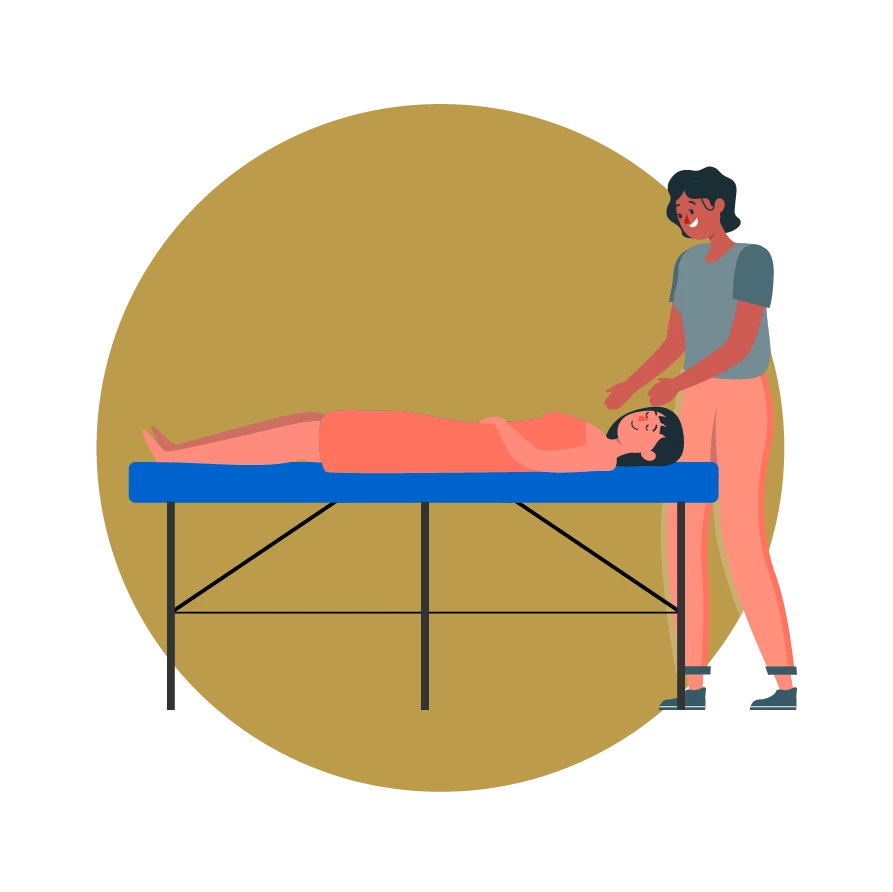
It is about allowing someone to feel safe enough to explore their body. When I hold someone in regard, I really listen to what they have to say, look at them, and match my voice to theirs. I typically work while seated or reclining on a table after they are in an environment where they feel secure.
There is a hands-on element that consists mostly of gentle touch and movement. You need to move if you're in a "freeze" state since you're keeping everything inside. I want to move towards the direction of the resource, which is movement. If you are unable to move your head to the right or left, you are unable to set boundaries or say no. These insignificant details have resonance.
What advantages does somatic therapy provide over other forms of therapy?
For those dealing with trauma and mental health issues, somatic therapy has numerous advantages over other types of therapies. According to various studies, Post-traumatic Stress Disorder (PTSD) can be efficiently treated. One of these studies revealed that 44% of participants no longer had PTSD after receiving treatment.
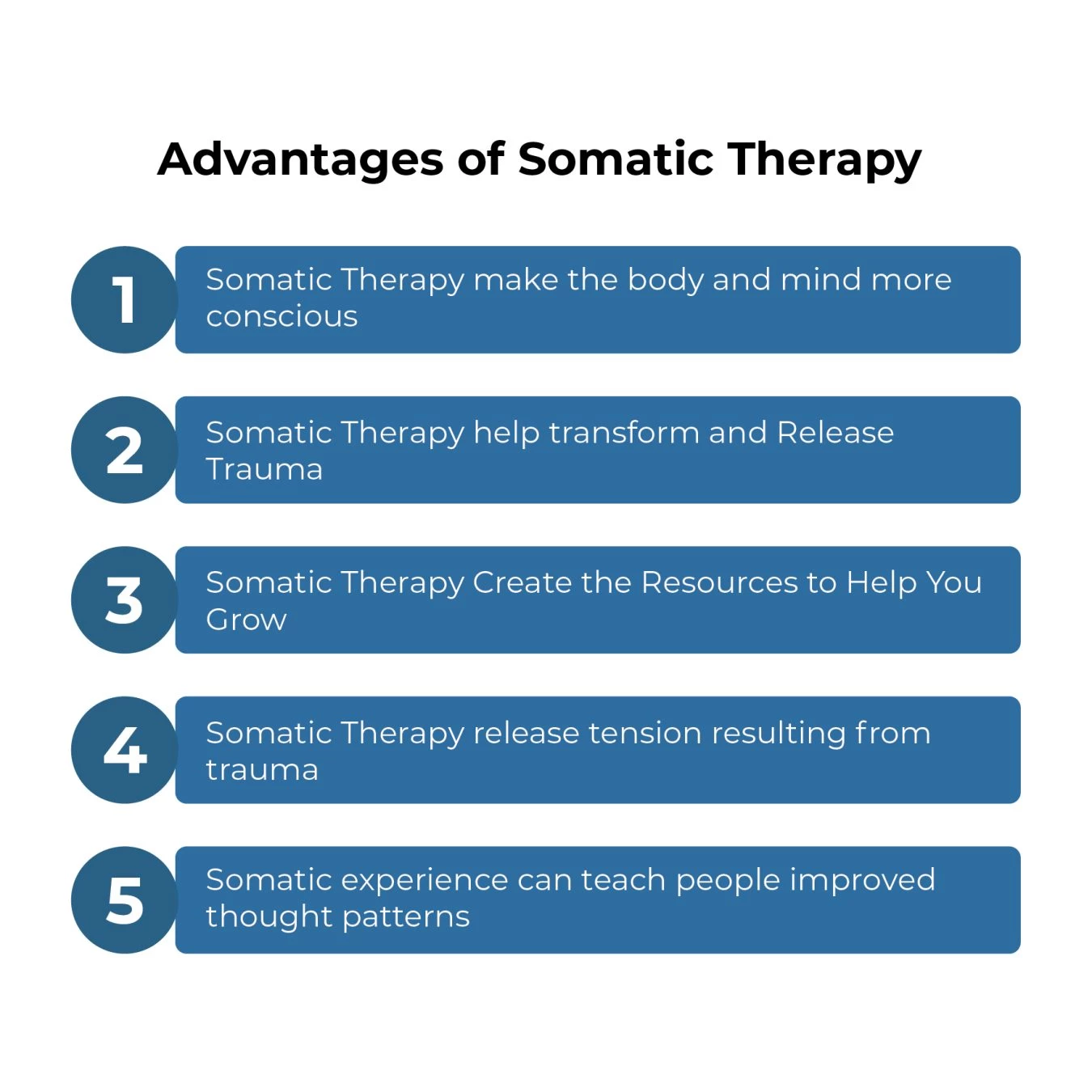
I'll list five advantages of somatic therapy over other types of therapy here, and we'll go into more detail about these advantages inchapter 5.
1. Improve Your Body Awareness
The goal of somatic therapy is to make the body and mind more conscious. Somatic treatment can focus on deeply ingrained trauma held in the neurological system while traditional talk therapy can help people work through mental and emotional concerns.
2. Transform and Release Trauma
Somatic Therapy helps many people reconnect with their bodies and has been shown to be effective in helping people with PTSD manage their symptoms.
Those who have had physical trauma, such as sexual or domestic abuse, may find this particularly challenging. Utilizing the idea that trauma is stored in the body, somatic therapy tries to convert this dysregulation into regulation.
It emphasizes the impact of thoughts and reactions on the way your body responds to triggers and trauma. Somatic Therapy can help patients release trauma by raising awareness of where it is held in the body, whether through mindfulness or mindful activities like yoga or tai chi.
3. Create the Resources to Help You Grow
Trauma can prevent us from leading satisfying lives. But Somatic Therapy can help us overcome the psychological, emotional, and physical barriers that stand in the way of improving our mental health.
While somatic experiencing gives us the abilities to process and deal with our unprocessed emotions, it also helps us identify how our body feels and where those emotions are located.
You can use somatic practices like grounding and resourcing whenever you need to relax yourself after coming into contact with a trigger because many of them can be done at home or at work.
4. Unwind tension
To aid in the body's release of tension held in place as a result of trauma is one of the goals of somatic experiencing. This can be assisted by mindful somatic activities, which increase awareness of the body and enable people to identify tense or painful places.
People who have previously experienced trauma may be struggling with emotional dysregulation, which can result in tightness in the body. A component of this is the freeze response, a defense mechanism that people use instead of running or fighting when they feel threatened.
The brain is unable to determine when they are no longer in danger. As a result, the freeze response persists, which causes symptoms including bewilderment, alienation, and difficulty moving.
5. Effective Symptom Treatment
Somatic experience can teach people improved thought patterns and assist to rewire the brain to produce a beneficial balance since it focuses on body sensations and controlling the emotional system.
Not only do people with PTSD benefit from somatic treatment. It can be used to treat a number of ailments, such as:
- Anxiety
- Depression
- enduring pain
- Substance use disorders (SUDs)
What is the Origin of Somatic Therapy?
In this section, I'll give a little history of Somatic Therapy, including how it was started and who introduced it.
Dr. Peter A. Levine was the first therapist who created somatic therapy to treat the symptoms of trauma. Levine came up with this strategy after noticing that prey animals, whose lives are frequently in danger in the environment, can quickly recuperate by physically releasing the stress-related energy they build up.
Peter Levine earned two doctorates, one in psychology from the International University and one in medical biophysics from the University of California, Berkeley.
Levine taught at numerous locations throughout the world, including pain clinics, hospitals, and treatment centers, and imparted his knowledge while working for NASA as a stress consultant during the development of the Space Shuttle program.
The consequences of trauma and oppression on indigenous populations are of particular interest to him. Levine is a member of World Psychologists for Social Responsibility, a group that works to develop sensible solutions to racial and conflict as well as major natural disasters.
Somatic Experiencing (SE) was created by Levine, who also founded the Foundation for Human Enrichment in Boulder, Colorado, to serve as a venue for SE practitioners to receive training. Levine wrote the best-selling trauma book Waking the Tiger: Healing Trauma in 1997.
What is early history of origins of somatic therapy?
Levine's studies with wild animals inspired him to create the therapy known as Somatic Experiencing. He pointed out that animals typically recovered from stressful situations rather fast and that humans might gain by adopting the animal's coping mechanisms for trauma.
The autonomic nerve system (ANS) is in charge of controlling automatic bodily processes like respiration, digestion, and heart rate.
Levine contends that abnormalities in the autonomic nervous system brought on by trauma are the cause of the symptoms frequently connected with trauma, such as fear, flashbacks, and a heightened startle reaction. The purpose of treatment is to provide the ANS with the ability to self-regulate.
Practitioners focus on assisting a client to become aware of emotions and bodily reactions and include both one-time traumas and developmental traumas, such as neglect or abandonment, in their definition of trauma.
Clients are encouraged to develop their emotional and sensory awareness early in therapy, moving on to awareness of physical tension in the body. According to proponents of Somatic Experiencing, trauma results in chronic tension because the body's fight-or-flight mechanism was unable to completely respond to the trauma.
In addition, SE employs the titration strategy, which is frequently used in trauma therapies like exposure therapy. The client is gradually made more and more aware of her trauma, typically through talking about it and working through the emotional and physical symptoms it produces.
More traumatic aspects of the situation will be discussed as the client advances in treatment. Clients are urged to create "resources'' throughout treatment, which are any tools that support the ANS is capacity for self-regulation.
The therapist may also employ "pendulation," which entails assisting a client in becoming unregulated before facilitating a return to self-regulation. This strategy is supposed to aid the client in independently controlling the ANS.
How somatic therapy started to write early history?
Concentrating on the years between 1900 and 1950, regular application of somatic therapies, and the research supporting therapeutic methods. Therapeutic evaluation is based on data from state hospital patient files and recent scientific publications. Hydrotherapy, sterilization, treatment for malaria fever, shock treatments, and lobotomy are examples of somatic interventions.
Despite the fact that these treatments were developed prior to the use of randomized controlled trials, they were supported by reliable modern research (two were Nobel Prize-winning interventions).
Additionally, the doctors who employed these procedures thought they were successful in treating their mental patients. This history demonstrates how location and time have influenced what constitutes acceptable research and clinical practice and most likely will continue to do so.
There are numerous modalities of contemporary Somatic Therapy. Somatics is a broad concept that focuses on using physical activity to enhance mental wellness. Its roots are in the 19th-century physical education movements, which encompassed a variety of activities like judo, yoga, and pilates.
Over 12,000 healthcare professionals have been trained in this cutting-edge therapy for PTSD since it was first proposed by trauma therapist Dr. Peter Levine in the 1970s. I end by discussing how this history provides insight into modern, evidence-based medicine.
Next, I'll take you to chapter 2 which provides a detailed account of the development of somatic therapy.
Chapter 2:
Therapists and Development of Somatic Therapy
The second chapter of our in-depth analysis of Somatic Therapy is provided here.
This chapter will look at the progress of somatic therapy and the therapists' growth within it.

Early Development of Somatic Therapy
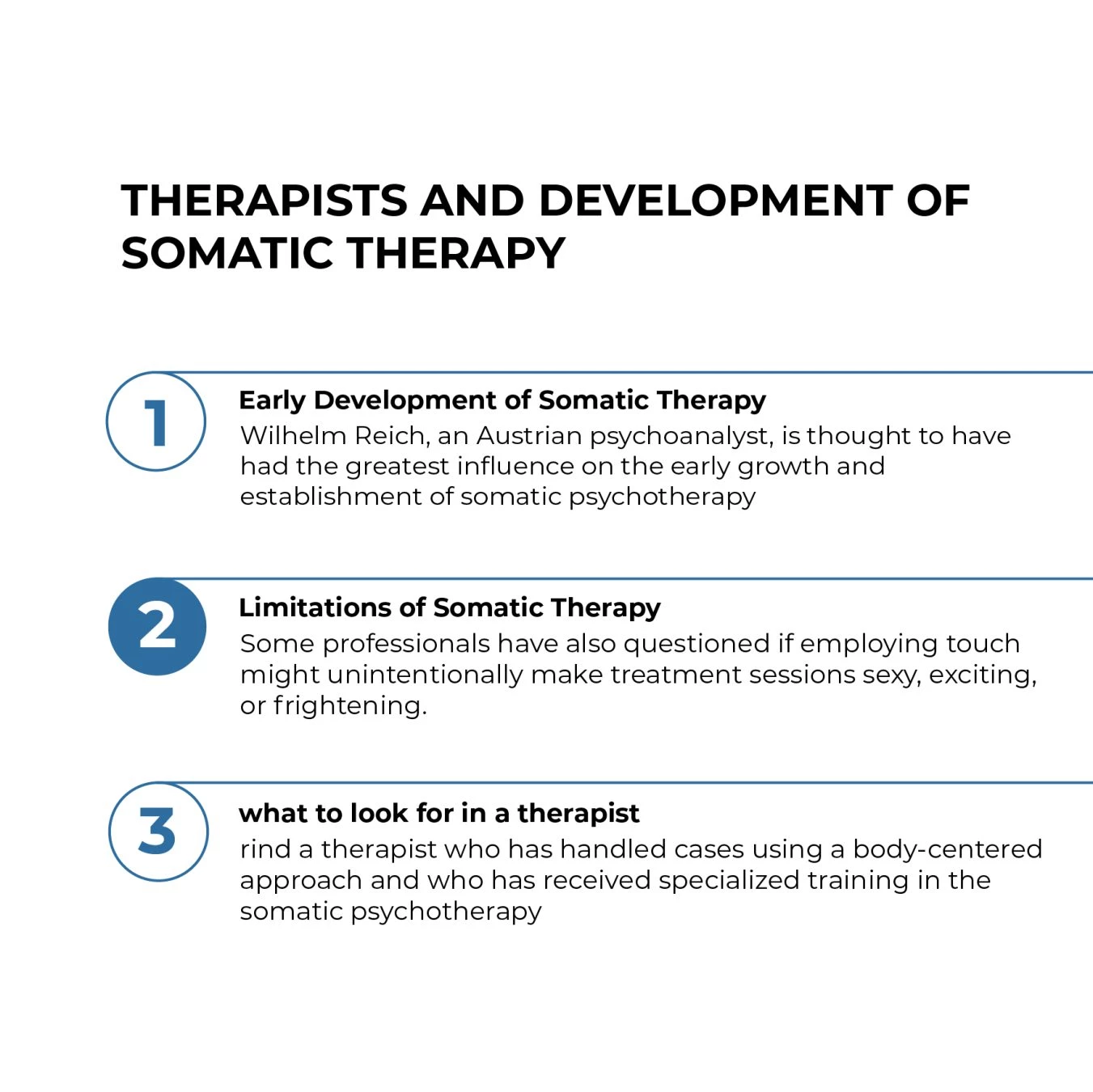
Wilhelm Reich, an Austrian psychoanalyst, is thought to have had the greatest influence on the early growth and establishment of somatic psychotherapy as a therapeutic practice.
In the late 19th and early 20th centuries, French psychotherapist Pierre Janet made substantial contributions to the growth of somatic psychology, and Sigmund Freud also showed an interest in the body's function in the onset of mental health problems.
Psychodynamic Concept and Physical Body
Former Freud pupil Reich, who felt that human drives are positive by nature, worked to create a psychodynamic theory that included the physical body.
He published Character Analysis in 1933 and was one of the first people to look into the body's function in psychotherapy. He proposed the idea of "body armor" in this work, which was widely accepted by the psychoanalytic profession.
Body armor is the idea that suppressed emotions and even a person's personality may be seen in muscle tension, posture, and physical movement. After conducting his research, he came to the conclusion that in order for therapy clients to properly experience emotional release, physical pressure must be applied.
Reich’s Subsequent Work in Vegetotherapy—Massage
Character Analysis was a huge success, but Reich's later research into vegetotherapy — massage used in therapy to break down physically displayed emotions—was roundly ridiculed and rejected.
The general psychology community marginalized body psychotherapy as a result of this vehement critique. However, Reich had developed and introduced a number of important ideas for bodily psychotherapy, setting the groundwork for more research in the area.
Many of the patients he cared for, including Charles Kelley, John Pierrakos, and Alexander Lowen, as well as later researchers, expanded on his work to create their own kind of bodily psychotherapy.
Since this modality's creation in the 1900s, it has undergone substantial growth. The distinction between the mind and body is much less clear than it was in the 1930s, and more and more mental health professionals are starting to see the advantages of a holistic approach and are adapting their treatment strategies in response.
There are numerous schools of somatic/body psychotherapy in use today, many of which sprang out of Reich's research.
What are the concerns and limitations of Somatic Therapy?
Although somatic therapy has its own benefits, there have been some limited concerns that are being discussed here. Somatic psychotherapy has been criticized for some of its stated shortcomings, despite its growing acceptance in therapy and reported efficacy.
The use of touch, which is a component of several somatic therapies, is one problem. A significant ethical issue with touch in treatment.
Although some claim that therapy procedures including physical contact with the therapist lead to pain relief and the release of tension, some people—such as those who have experienced sexual abuse—may have serious problems with being physically touched.
Some professionals have also questioned if employing touch might unintentionally make treatment sessions sexy, exciting, or frightening. These kinds of strong emotions can be present, which could lead to the emergence of more transference and countertransference problems within the therapeutic partnership.
Both the therapist and the patient must be willing to be touched and have the ability to learn how to become more aware of their own bodies for this sort of therapy to be successful.
Certain body-centered techniques might not be recognized or accepted in certain countries since not all kinds of body psychotherapy have passed the requirements for scientific validity posed by certifying authorities in such countries.
What to look for in a therapist for somatic psychotherapy?
Somatic therapies are the primary method used by some therapists. SE therapists, for instance, have received specialized training on trauma and the body. They might assist you in examining the bodily sensations associated with your trauma.
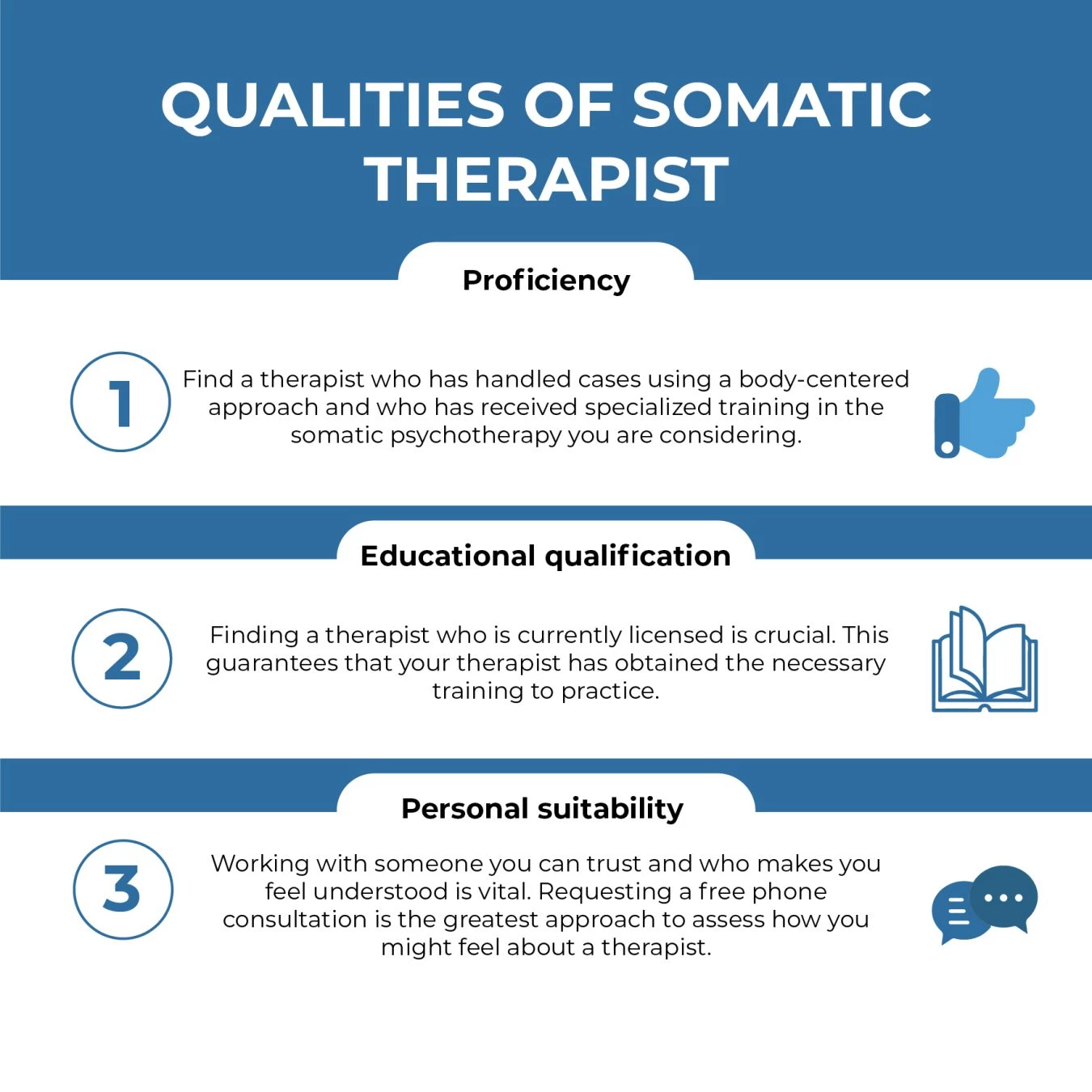
When choosing a therapist, you should bear the following things in mind:
1. Proficiency
Find a therapist who has handled cases using a body-centered approach and who has received specialized training in the somatic psychotherapy you are considering. Therapists frequently include this information in their internet profiles or biographies.
2. Educational qualification
Choosing which kind of mental health practitioner to consult can be challenging because there are so many different provider types accessible.
Finding a therapist who is currently licensed is crucial. This guarantees that your therapist has obtained the necessary training to practice. Every therapist on Zencare has already undergone screening.
3. Personal suitability
The therapeutic alliance also referred to as the connection of trust between you and your therapist, can greatly influence how effective treatment is. Trauma survivors may feel uncomfortable and perceive the world as being more perilous.
Working with someone you can trust and who makes you feel understood is vital. Requesting a free phone consultation is the greatest approach to assess how you might feel about a therapist.
This gives you a chance to enquire about their education, work history, and the nature of the therapy. Before making a choice, try speaking with a few different therapists.
I'll now move on to the following chapter, which contains information about several sorts of somatic treatments.
Chapter 3:
Types of Somatic Therapies
The third and most crucial chapter of this article is this one. The numerous forms of somatic treatment will be covered in this chapter.
You will be able to learn the many categories of somatic treatment at the end of this chapter.
Different Kinds of Somatic Therapy
The numerous kinds of somatic therapy, although some forms appear to overlap, are largely separate from one another; they employ unique methods and tactics to accomplish their objective of uniting the mind and body for healing.
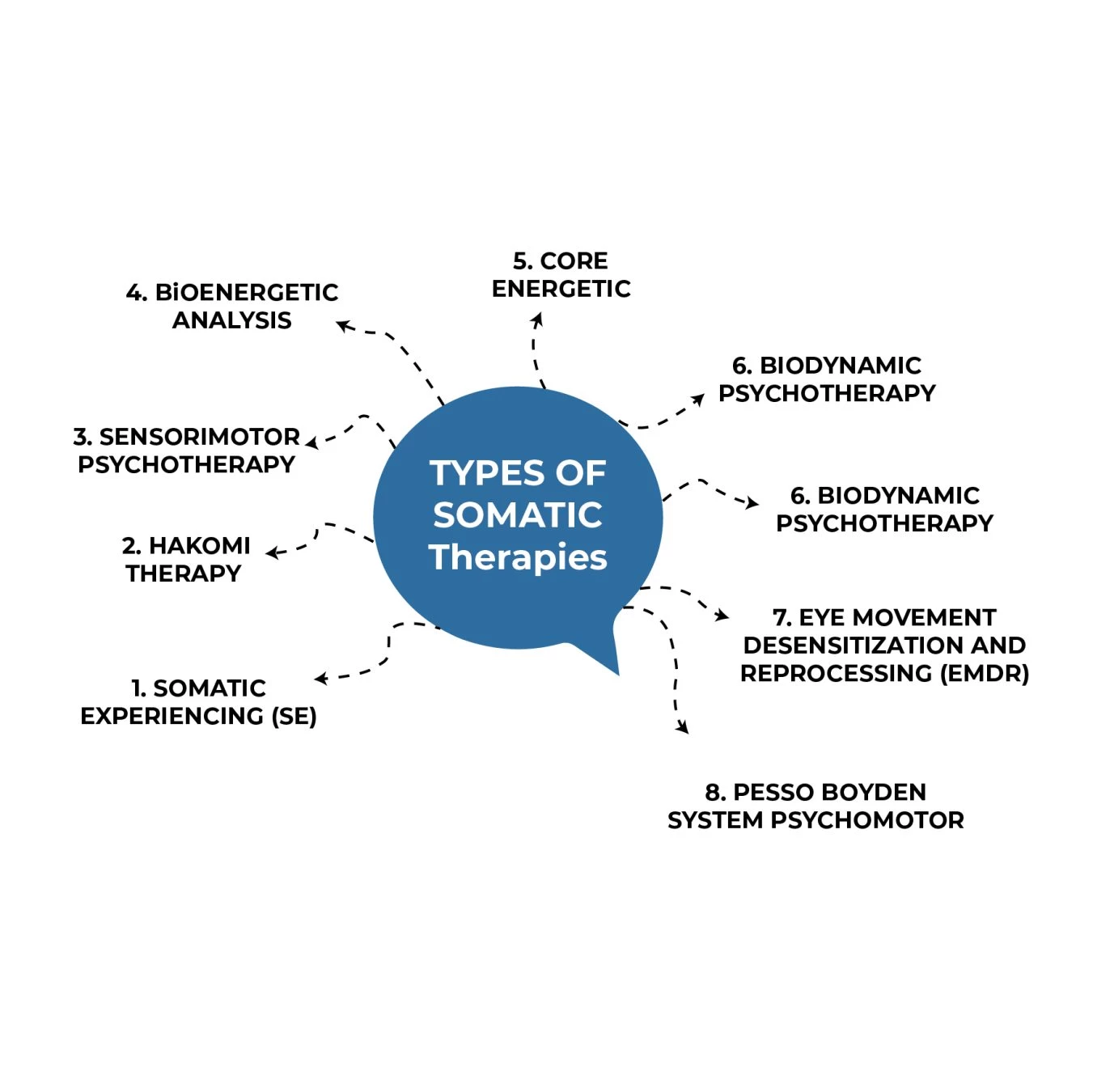
1. Somatic Experiencing (SE)
The goal of SE, a somatic therapy, is to repair the effects of trauma. It was created by Peter Levine, who noticed that even while predators regularly menace wild animals, they usually recover their composure following these attacks by trembling and shaking to release their "charged" energy.
Levine discovered that after experiencing trauma, many people have trouble letting go of this charged energy and instead hold onto the post-traumatic stress by contracting their muscles, racing their hearts, or going numb.
To help clients release this physical energy that has been held, SE helps them understand their autonomic nervous system.
The Ergos Institute of Somatic Education's founder and president, Peter A. Levine, created SE, a mind-body approach to psychotherapy. SE is a type of trauma resolution that aids people in identifying the areas of their bodies where they still feel tension from earlier traumatic occurrences.
Through the development of inner sensory resources, it teaches people how to release stifled emotional and physical feelings and to self-regulate.
In many cases, SE doesn't demand that patients fully process a particular trauma; instead, the focus of the therapy is on helping patients "pendulate," or alternate between the two separate nervous system states of being charged and calm, so they may learn to better soothe themselves.
SE professionals assist clients in tracking their own bodily feelings with a variety of exercises. Many SE practitioners have additional training in touch work, so if clients are interested, they can utilize touch to communicate with their nerve systems more directly.
2. Hakomi therapy
Hakomi Therapy, also known as the Hakomi method, is a mindful, body-centered approach to psychotherapy that promotes positive personal development and growth via the use of experiential techniques including mindfulness, touch, and somatic awareness.
Using direct remarks, observations, and frequent physical touch, a professional therapist can uncover unconscious core contents, such as a person's memories, beliefs, emotions, and views, that shape their character and constrain their aspirations.
Five guiding concepts serve as the foundation of the Hakomi Method: mindfulness, organicity (i.e., treating people as intelligent living systems), nonviolence, mind-body integration, and unity with others.
A typical session includes instruction from the therapist as needed to reframe and process any limiting beliefs, as well as guided focus on specific ideas, pictures, and sensations. Trauma, depression, anxiety, and ADHD are all frequently treated using this approach.
3. Sensorimotor psychotherapy
The body's retention of particular patterns and habits from our early attachment connections and past experiences is monitored in sensorimotor psychotherapy. According to research on mirror neurons, learning first takes place in the body before it is incorporated into our thoughts.
In order to particularly address the impact of attachment trauma and how it gets stored in a person's body, postures, and felt experience, Pat Ogden, who developed Sensorimotor Psychotherapy and was greatly influenced by The Hakomi Method, created Sensorimotor Psychotherapy.
The goal of sensorimotor psychotherapy is to help clients become aware of how embodying a positive attitude alters how limiting cognitive beliefs, such as feeling unlovable, are experienced in the body.
Interventions concentrate on helping the client understand how their actions, inclinations, and gestures relate to attachment requirements.
4. Bioenergetic analysis
One of the earliest widely used physical psychotherapy approaches was bioenergetic analysis, which was created by the student of Sigmund Freud, Wilhelm Reich in the 1950s.
Character armoring, which is a central concept of this therapy, is the idea that emotionally stressful events, frequently from childhood, lead specific muscle groups to tense as a means of self-protection.
This tension can then be examined by the bioenergetic therapist to comprehend the client's personality and emotional challenges.
5. Core energetic
In core energetics, energy is balanced between the mind, body, and spirit through movement. It was created using bioenergetic analysis by John Pierrakos, a Reich student.
In order to clear energy blockages, express one's emotions, and connect with one's essence, this method makes use of physical exercises, deep breathing, catharsis, and self-massage.
6. Biodynamic Psychotherapy
Gerda Boyesen created this holistic strategy in Europe in the 1960s and 1970s. Reich's writings, especially the ones on bioenergetic analysis, served as an inspiration to Boyesen.
The three stages of biodynamic psychotherapy are feeling, comprehending, and letting go. It emphasizes energy, chakras, and the collective unconscious of humanity.
Some of the methods employed in this therapy are derived from Swedish massage and entail touching and manipulating the skin.
7. Eye movement desensitization and reprocessing (EMDR)
EMDR is a structured therapy that deals with certain traumatic memories and how they exist in the brain. Contrary to many other trauma therapies, EMDR uses "bilateral stimulation" to target a specific painful memory and alter how it is stored in the brain.
When you focus on a specific memory, bilateral stimulation implies moving your body in a rhythmic fashion that engages both sides of your brain, such as quickly switching your eyes from left to right or alternately tapping your left and right knee.
Compared to the other therapies on this list, EMDR follows a more structured approach and uses standardized producers.
8. Pesso Boyden System Psychomotor
Group treatment called Pesso Boyden System Psychomotor (PBSP) allows for the recreation of traumatic experiences. In PBSP, a practitioner will question people to help them understand a bad circumstance more thoroughly.
The individual is then given the chance to experience an act of triumph that fosters closure and more pleasant memories as the group reenacts the incident but with a more favorable outcome.
What are other mind-body techniques?
The treatment for depression known as mindfulness-based cognitive therapy (MBCT) is successful and well-liked. It contains an eight-week class period with assignments in between.

You can observe your thoughts, feelings, and bodily sensations using MBCT procedures without attempting to alter them. Accepting your uncomfortable feelings helps you deal with them more easily in the long run.
Following are the creative mind-body techniques:
1. Yoga
In addition to treatment and medicine, yoga is frequently employed. Problems including sadness, stress, and anxiety may be helped by it.
Clients may be instructed in yoga breathing techniques by therapists, or they may be encouraged to enroll in a class between sessions. But you can try yoga without a therapist. Yoga lessons are frequently offered in local towns, or you might try an online course.
2. Dance Movement Therapy
With depression, dance movement therapy might be beneficial. People who find it difficult to express their emotions could benefit the most from it. Dance is frequently used in mental health programs. The American Dance Therapy Association is another place where you can look for a licensed therapist.
3. Tai Chi
Traditional Chinese exercise known as tai chi mixes movement and awareness. Both physical and mental health may be enhanced by it. Similar to other mind-body practices, it can lessen depression and enhance general wellness.
What Conditions Are Commonly Treated With Somatic Psychotherapies?
For illnesses that place a strong emphasis on the body and those where success from talk therapy can be difficult to obtain, body-oriented psychotherapies are occasionally more successful.
Trauma-related disorders, eating disorders, schizophrenia, alexithymia (difficulties expressing feelings and emotions), and somatoform or medically unexplained ailments are a few of these conditions.
Only a few illnesses have received considerable research into somatic psychotherapy. However, as an alternative therapy or in conjunction with conventional cognitive therapies, this type of treatment can be beneficial for a wide range of different diseases.
Conditions like the ones listed below have been treated using somatic psychotherapy:
- stress
- depression
- anxiety
- PTSD
- addiction
- relationship conflict
- grief
- digestive disturbances
- sleep disorders
To compact it, in this chapter I discussed some of the types and mind-body techniques of somatic therapy with common conditions that are treated with these techniques. Now I will take you to the next chapterin which I will describe how somatic therapy works.
Chapter 4:
How Does Somatic Therapy Work?
This article's fourth chapter describes how somatic therapy functions, as well as what its interventions entail.
I'll explain it in detail in the upcoming sections, so let's have a look.

What are the common interventions a therapist may use?
Identifying and releasing physical tension is the basic objective of somatic therapy. The first part of therapy sessions frequently involves keeping track of your physical sensations. Let's look at some common interventions that therapists might employ.
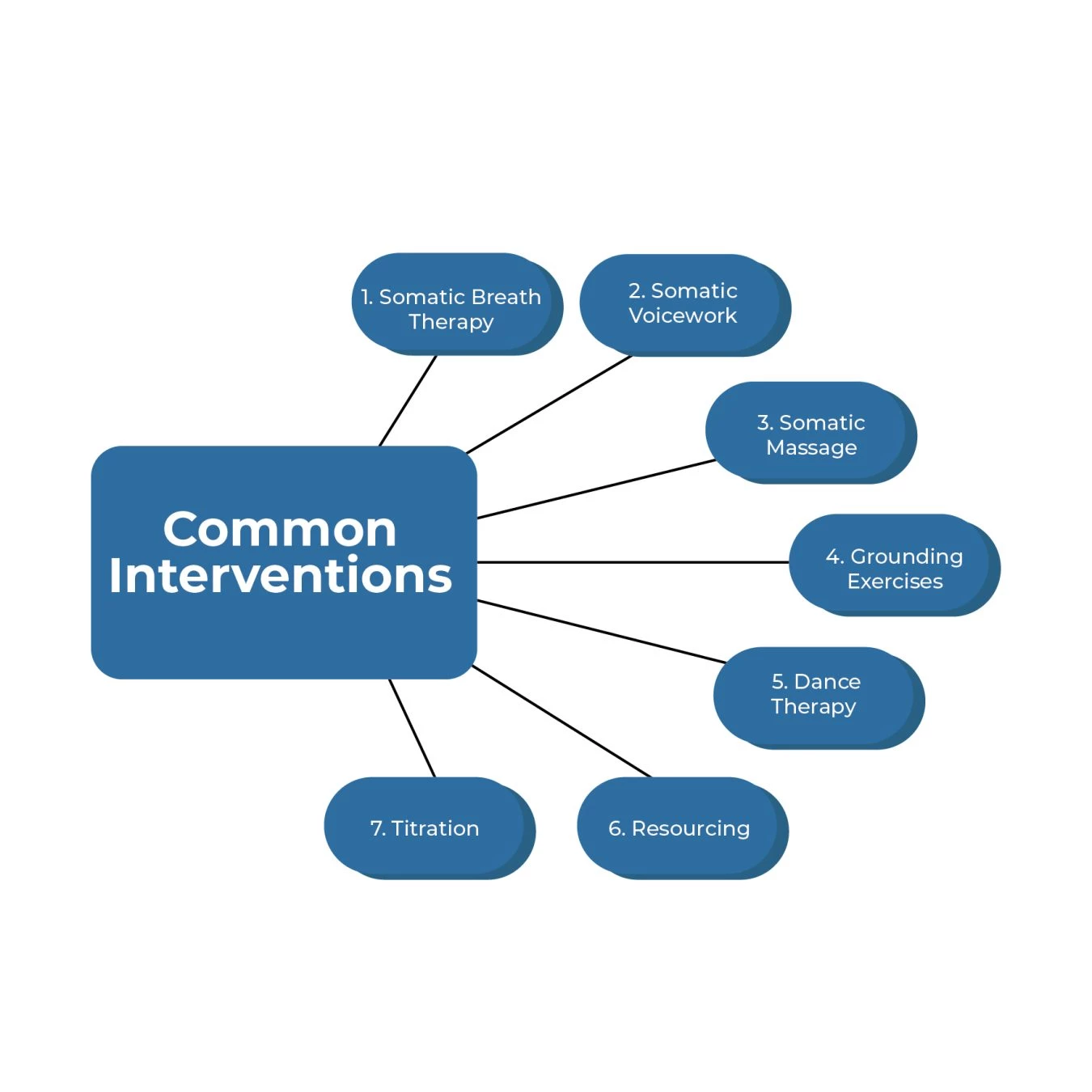
1. Somatic Breath Therapy
Even though everyone breathes, somatic breath therapy is a sort of active, intentional mindfulness.
Clients are taught by therapists how to deliberately breathe through their diaphragm without pausing in between breaths. Increased energy aids in the reduction of physical tension.
2. Somatic Voicework
Somatic voicework is a term for a body-based method of vocal instruction. It's a type of bodywork that exhorts participants to use all five senses in order to amplify their voices.
This method calls for a certain method of moving the ribs and abs during each inhalation and exhalation. This technique is widely used by professional singers to improve their vocal abilities.
3. Somatic Massage
Somatic massage combines a light touch with a compassionate conversation to deepen the client's understanding of their physical tension. Clients who are experiencing chronic pain or the effects of trauma may benefit from this therapy.
4. Grounding Exercises
Although grounding is not specific to somatic treatment, it is one of the most effective methods for deregulating the CNS. As previously noted, when we experience stress, the body enters a more intense fight-or-flight mode.
We are gently brought back to the present via grounding. Numerous grounding techniques may be employed by therapists, such as encouraging you to place your feet firmly on the ground and sink into your chair.
5. Dance Therapy
A type of expressive treatment called dance/movement therapy (DMT) focuses on the relationship between motion and emotion. Instead of merely typical dance, therapy sessions include movement to help with problems including body image, depression, trauma, and self-esteem.
6. Resourcing
Resourcing is a visualization strategy in which you focus on an uplifting somebody, location, or object that you adore. If you have triggers when processing trauma, this imagery may be able to make you feel more at ease and relaxed.
7. Titration
Titration in chemistry and medicine refers to the idea of varying the amount of a specific material until the right balance is achieved.
Titration describes the gradual process of absorbing how your trauma affected you when it comes to somatic experiencing. By taking small breaks and slowing down the process, therapists can gently assist you in processing the trauma.
What is the main idea behind Erik Erikson's stages of development?
Typically, we begin by sitting and conversing before eventually moving to the table and starting with a pretty light touch.
I encourage the client to check in with their body first by simply observing how they are feeling and what they are noticing physically. Where on the table is your body making contact? Where does your body rub up against itself? What degree do you currently feel?
People are frequently shocked by what they become aware of when they ask themselves these questions that we typically don't ask of ourselves, such as "Oh my god, I have a headache" or "I have this heaviness in my shoulder—what is that? So now we start to wonder.
A person's consciousness can be raised by providing touch, and by providing gentle movement, I can invite them to experience what is going on in their shoulder by slipping a hand under their shoulder, and supporting their shoulder blade.
And I discovered that human adults—who are essentially just kids in grown-up clothes—need the same things that kids do. Support, warmth, and tenderness are things that our bodies respond to so favorably; it is so simple yet profound to supply these things.
How often in a person's life do they not feel supported by others, experience a lot of warmth from them, or feel at ease? The massive transformations begin here if I can just help their bodies have it because it tells their bodies that it is possible and that they can discover it inside themselves.
Do men and women respond differently?
Men take a little longer to engage in this work, even something as simple as getting a massage. The whole spectrum of masculine sentiments is frequently not embraced because of social stigma.
Every single male client I've ever worked with can remember a time in their early lives when someone told them to "man up," "boys don't cry," or "oh, you were hurt, walk it off"—whether it was their father, older brother, coach, teacher, or even a woman occasionally.
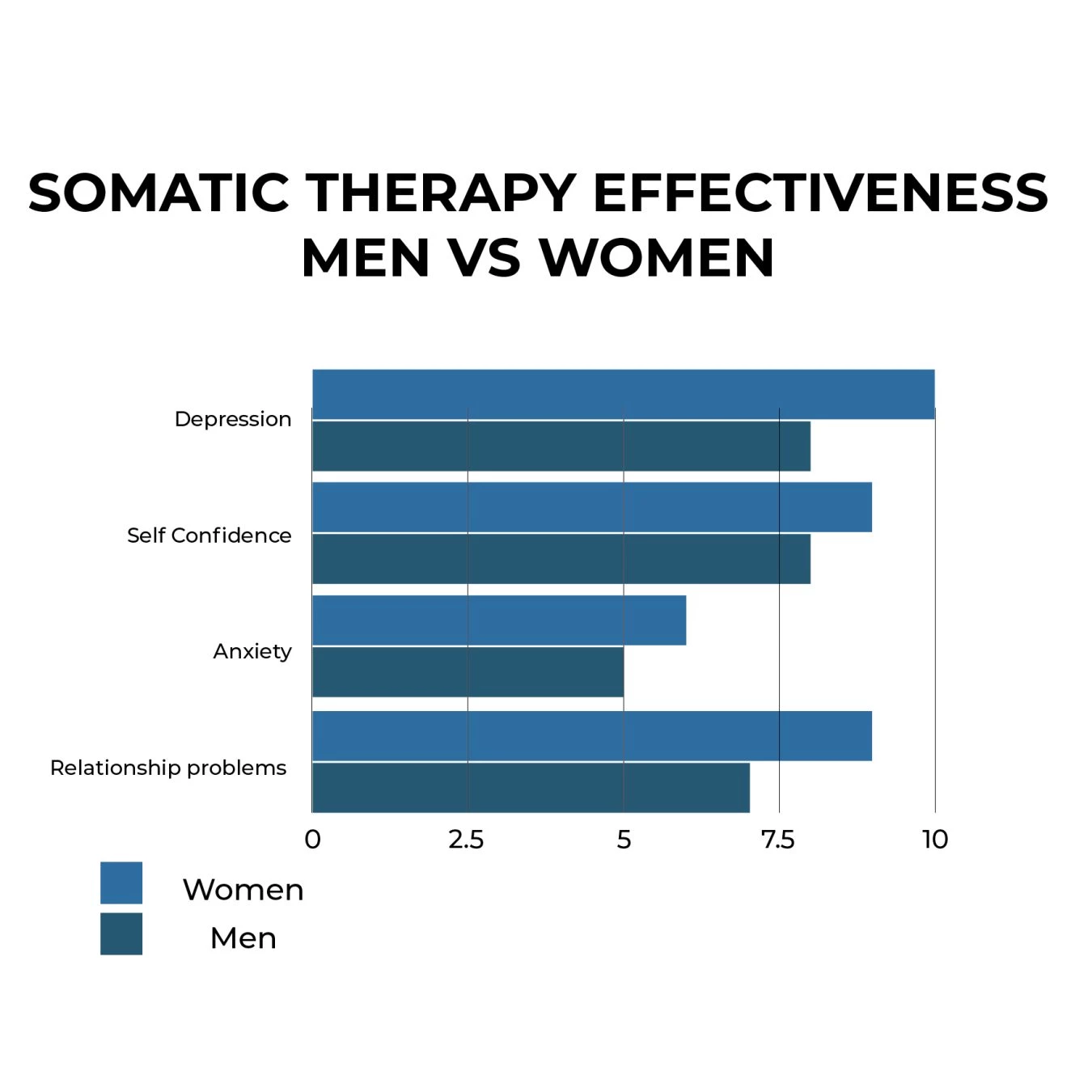
Boys and men are soon taught that the only feelings that are socially acceptable for them to display are strength, power, and fury. While they are permitted to be angry, they are not permitted to be upset.
Pressure builds up when you hold things inside. Men are frequently paralyzed by anxiety when they eventually visit my office. They're worn out. Their tissues have an encoding of their problems.
In all honesty, I no longer even consider them problems; instead, I consider their injuries.
So in this section of the post, I went over how somatic therapy functions, how it affects patients' situations, how it helps, and what approaches therapists can employ to get results.
Now let’s move on to the next chapter to learn about the benefits of Somatic therapy.
Chapter 5:
Benefits of Somatic Therapy
The essential advantages of somatic treatment are covered in the fifth chapter of this guide.
This clarifies how somatic treatment is different from other therapies and how it is useful in clinical settings.
It has numerous advantages, which I will go over in more detail in this part.

Uses of Somatic Therapy
Somatic Therapy psychology depends on a link between mental and physical processes and includes a variety of mind-body therapies. You'll see that bodily symptoms are present in the signs and symptoms of mental health illnesses like PTSD or depression.
It can assist you in identifying and addressing physical symptoms that you might or might not have even been aware of in the past, as well as the causes of those symptoms and any accompanying feelings or distress.
As a result, you may experience emotional, psychological, and physical pain alleviation.
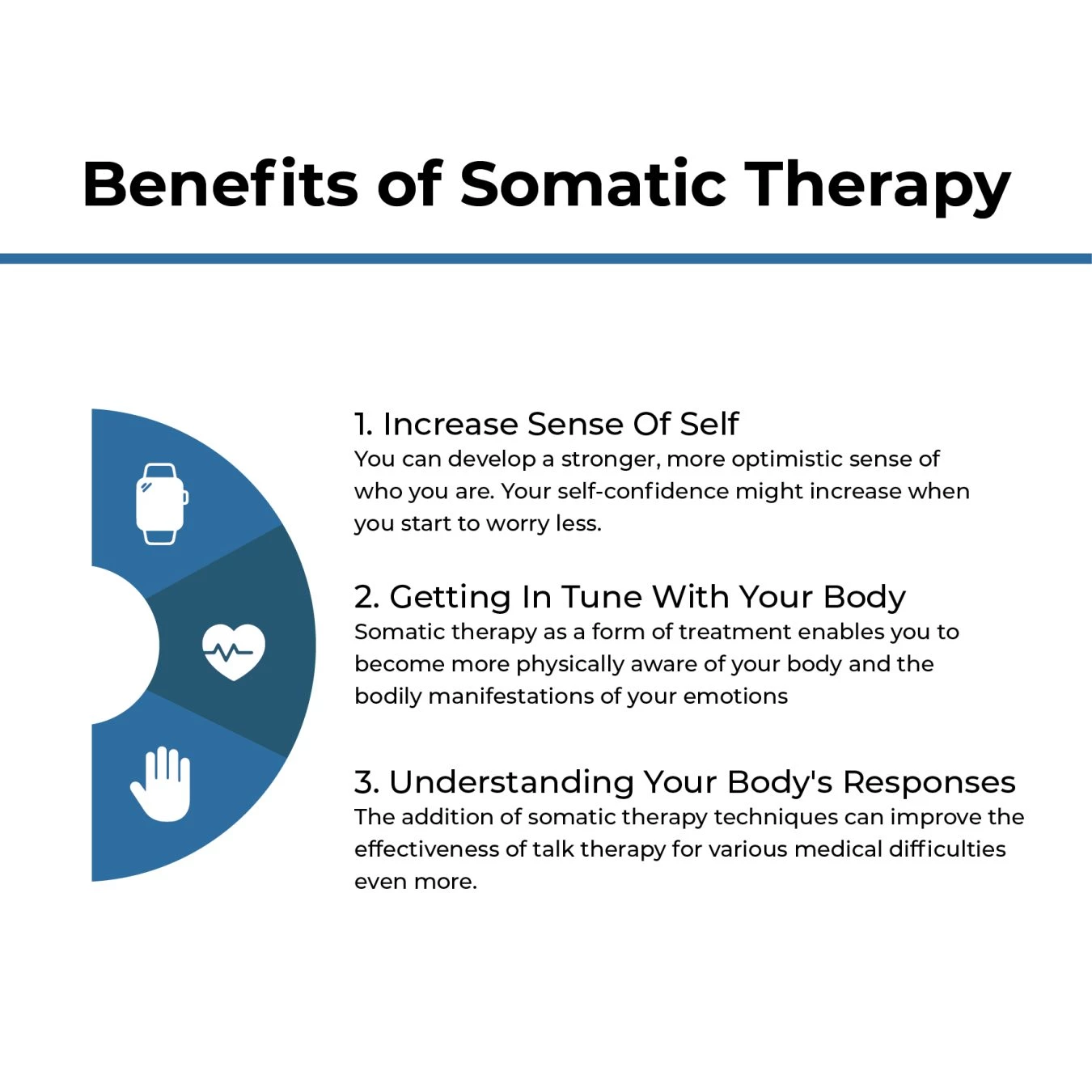
1. Increase Sense Of Self
Your therapist will work with you to reframe your traumatic experiences and develop distress tolerance so that you may get over their negative effects on your mind and body if you choose to pursue somatic therapy to support your recovery from prior trauma and other comparable difficulties.
You can develop a stronger, more optimistic sense of who you are. Your self-confidence might increase when you start to worry less, develop a sense of hope, become more focused and learn to be more composed and robust to stress.
2. Getting In Tune With Your Body
Somatic therapy as a form of treatment enables you to become more physically aware of your body and the bodily manifestations of your emotions.
With somatic treatment, you might experience a reduction in physical pain or discomfort and, in some situations, an increase in your capacity for activity and regular movement. It can help enhance sleep.
3. Understanding Your Body's Responses
For some people, paying attention to their bodies can be unsettling or even frightening. Nearly anyone can benefit from doing so in a private, secure environment.
Many people, especially those who have experienced trauma, high levels of stress, or strong emotions, learn to ignore or turn away from how their bodies feel in order to manage. Thoughts and emotions have great power.
The addition of somatic therapy techniques can improve the effectiveness of talk therapy for various medical difficulties even more. Talk therapy is currently one of the most popular therapies for a variety of ailments and concerns.
Does Somatic Therapy restore your body balance?
Any condition, such as digestive issues, that has an influence on a person physically or energetically can benefit greatly from somatic treatment.
Specific physical ailments (inherited and acquired) can sometimes be treated with some somatic therapies. These treatments may also be effective for life-threatening conditions like cancer, digestive issues, and cystic fibrosis.
If you're looking for a somatic or body-based approach to talk therapy, keep in mind that there are many different types of somatic therapy and that somatic experiencing is probably what you're looking for.
Who Can Benefit from Somatic Therapy?
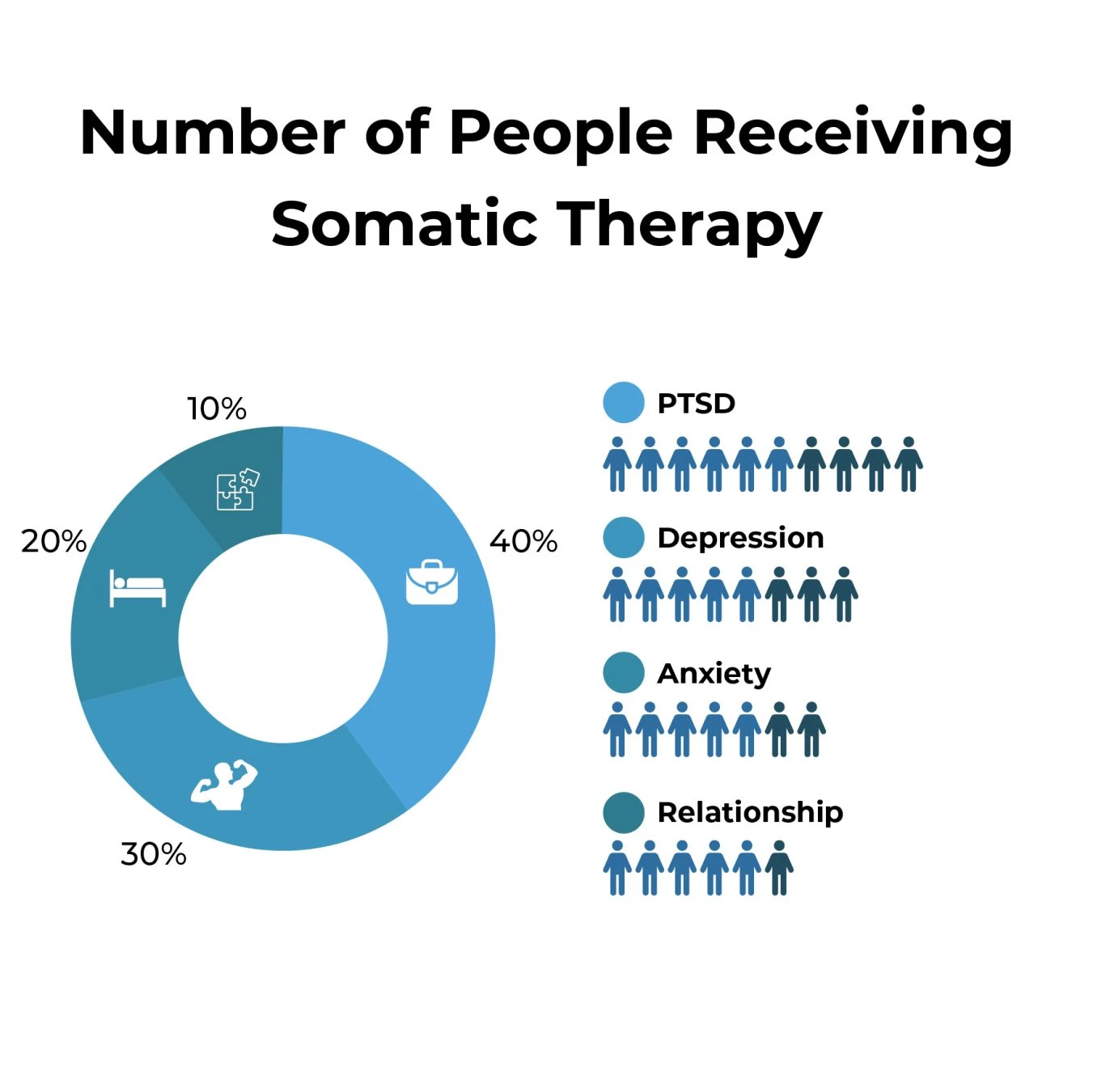
Somatic therapy is frequently used to treat patients who have suffered trauma or abuse. These somatic treatment methods are particularly helpful for those who have PTSD.
For those dealing with additional physical conditions, such as depression, anxiety, substance use disorder, relationship difficulties, and other mental health diseases, it may also be helpful.
What is a somatic approach to therapy?
In order to heal from trauma and other mental health concerns, somatic psychotherapy services are utilized to improve one's interaction between mind, body, brain, and behavior.
These counseling techniques draw on a therapeutic interaction between the mind, body, and the present moment and are based on the fundamental ideas of somatic psychology.
By enhancing the link between the mind, feelings, experiences, and thoughts and examining the relationship between the experience and oneself, somatic therapy can help people with how they navigate and deal with life's challenges.
This type of therapy offers numerous health advantages to a large number of individuals, as well as the potential to enhance one's quality of life in a variety of ways.
In this section, I emphasized the benefits of somatic therapy which could actually make a difference in therapy treatment. Now I will step up to thenext chapter in which you will know what all does somatic therapy treat.
Chapter 6:
What Does Somatic Therapy Treat?
The sixth chapter describes the mental or physical conditions that incorporate somatic therapy as a kind of treatment.
This article's section fully explains the treatment method, its effects, and why it is necessary and important.

Conditions Treated by Somatic Therapy
Somatic therapy can address a range of basic health concerns such as:
- Depression
- Anxiety
- Relationship problems
- Emotional regulation
- Self-confidence
- Impulse issues
- Chronic pain
- Sleep problems
The purpose of the treatment is to lessen your symptoms and increase your capacity for daily living. Somatic symptom disorder may benefit from somatic therapy. Sometimes, especially if you're having trouble with feeling depressed, drugs may be added.
How Long Is Somatic Therapy Treatment?
Depending on your individual demands and development. There is no set amount of time for care. After only a few sessions, many customers do begin to feel better. However, complex problems typically take a longer time to resolve.
Most therapists typically have an hour-long session with each of their patients once each week. However, you might find it advantageous to increase this frequency if you are currently experiencing distress.
Your therapist can suggest switching to bimonthly appointments if you've made noticeable progress.
What Are Some Alternatives to Somatic Therapy?
One method for treating mental health difficulties is somatic therapy. There are a lot of alternative choices that are worthwhile. So, in order to help you understand those notions, I'll explain a few alternative therapies.

1. Cognitive-Behavioral Therapy (CBT)
Cognitive behavioral therapy (CBT) is a type of psychological treatment that has been shown to be useful for a variety of issues such as depression, anxiety disorders, alcohol, and drug abuse issues, marital problems, eating disorders and serious mental diseases.
Numerous studies have found that CBT significantly enhances functioning and quality of life. CBT has been shown in numerous studies to be equally successful as, or even more effective than, other types of psychological therapy or psychiatric drugs.
It is crucial to stress that improvements in CBT have been made as a result of both clinical and research-based work. In fact, there is a wealth of scientific evidence supporting CBT, demonstrating that the techniques used truly result in change. CBT is distinct from many other types of psychiatric therapy in this way.
CBT is founded on a number of fundamental ideas, such as:
- Part of psychological issues stems from flawed or harmful ways of thinking.
- A portion of psychological issues can be attributed to learned undesirable behavioral patterns.
- People with psychological issues can develop stronger coping mechanisms, which will help them manage their symptoms and improve their effectiveness.
Attempts to alter behavioral patterns are typically part of CBT treatment. These tactics could involve:
- Overcoming one's anxieties rather than avoiding them.
- Role-playing can be used to get ready for potentially awkward social situations.
- Acquiring the ability to relax one's body and thoughts.
2. Eye Movement Desensitization and Reprocessing (EMDR)
In EMDR, a structured therapy, the patient is encouraged to momentarily concentrate on the traumatic memory while simultaneously undergoing bilateral stimulation (usually eye movements).
This is linked to a decrease in the vividness and intensity of the traumatic memories. Eye Movement Desensitization and Reprocessing (EMDR) treatment is a well-researched, efficient psychotherapy approach that has been shown to aid in PTSD and trauma symptom recovery.
The efficacy of EMDR therapy in treating conditions like anxiety, depression, OCD, chronic pain, addictions, and other upsetting life events is supported by ongoing research.
Talking in-depth about the upsetting event or doing homework in between sessions are not requirements of EMDR treatment.
Instead of concentrating on altering the feelings, ideas, or behaviors brought on by the upsetting event, EMDR therapy enables the brain to continue its normal healing process. Unprocessed traumatic memories can be resolved by EMDR treatment. EMDR therapy can often be finished faster than other psychotherapies for many patients.
3. Psychodynamic Therapy
A type of talk therapy is psychodynamic therapy. It is predicated on the notion that discussing concerns with a professional can enable people to find relief and find answers.
People can better comprehend the thoughts, feelings, and conflicts that underlie their behavior by working with a psychodynamic therapist.
This method of therapy is also effective in assisting patients in comprehending some of the unconscious reasons that might occasionally affect their thoughts, feelings, and behaviors.
How it works:
People might identify suppressed feelings and unconscious influences that might be influencing their present behavior through psychodynamic therapy.
Sometimes people respond to others or act in specific ways for reasons they don't fully comprehend. Psychodynamic treatment teaches patients how to recognize, manage, and put their emotional life in perspective. Additionally, it teaches people better, healthier methods to communicate their feelings.
People are frequently urged to discuss anything that may be on their minds during psychodynamic therapy. These could be memories of events that have already occurred or things they are currently going through.
Brief psychodynamic treatment is a type of psychodynamic therapy that is intended to yield effects more quickly, frequently in 25 to 30 sessions. People may choose to initially concentrate on a highly emotive area in this shorter-term style of treatment.
4. Psychotropic Medication
Many emotional and mental health problems cannot be attributed to an imbalance in biochemistry. Often, life events—what occurs to and around us—are the source and influence of psychological difficulties.
Medication alone cannot "cure" all psychological difficulties because it does not alter how people mentally relate to their experiences. Medication-only therapy can be compared to patching up a gunshot wound without first removing the bullet.
The practice of giving children prescriptions for drugs that were initially intended for adults worries a lot of people. Bipolar disorder in particular has seen a rise in pediatric diagnosis, which has increased the number of kids taking psychiatric drugs, some of which have only been thoroughly evaluated in adults.
Though it has been demonstrated that these drugs can, at least temporarily, help minors with some symptoms, concerns have been raised about some of the drugs' potential long-term effects on growing children and whether or not these kids actually have conditions that were previously believed to only affect adults.
Psychotropic Medication Types
Mental health issues are treated with a variety of drugs. The main subcategories of psychotropic drugs are shown below:
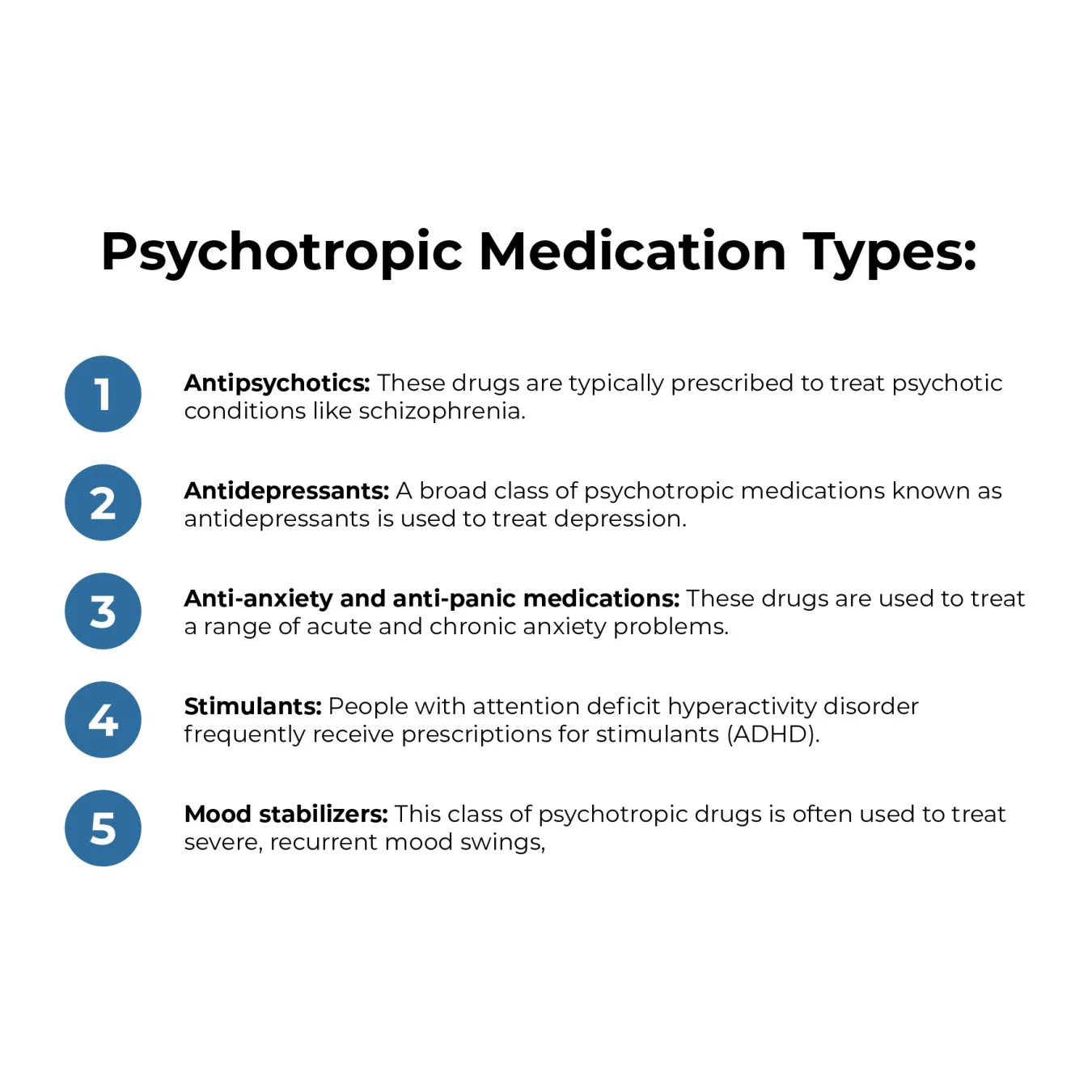
Antipsychotics: These drugs are typically prescribed to treat psychotic conditions like schizophrenia.
Antidepressants: A broad class of psychotropic medications known as antidepressants are used to treat depression.
Anti-anxiety and anti-panic medications: These drugs are used to treat a range of acute and chronic anxiety problems, from panic episodes to generalized anxiety.
Stimulants: People with attention deficit hyperactivity disorder frequently receive prescriptions for stimulants (ADHD). They aid in controlling irrational mental patterns.
Mood stabilizers: This class of psychotropic drugs is often used to treat severe, recurrent mood swings, which may be common in people with bipolar disorder, schizophrenia, or borderline personality disorder.
In this chapter, I addressed how somatic therapy treats patients, how long it takes, and what types of treatments are included in it, despite the fact that its medications are also covered in detail.
Now let’s compare the most widely used comparison between CBT vs Somatic Therapy in the next chapter.
Chapter 7:
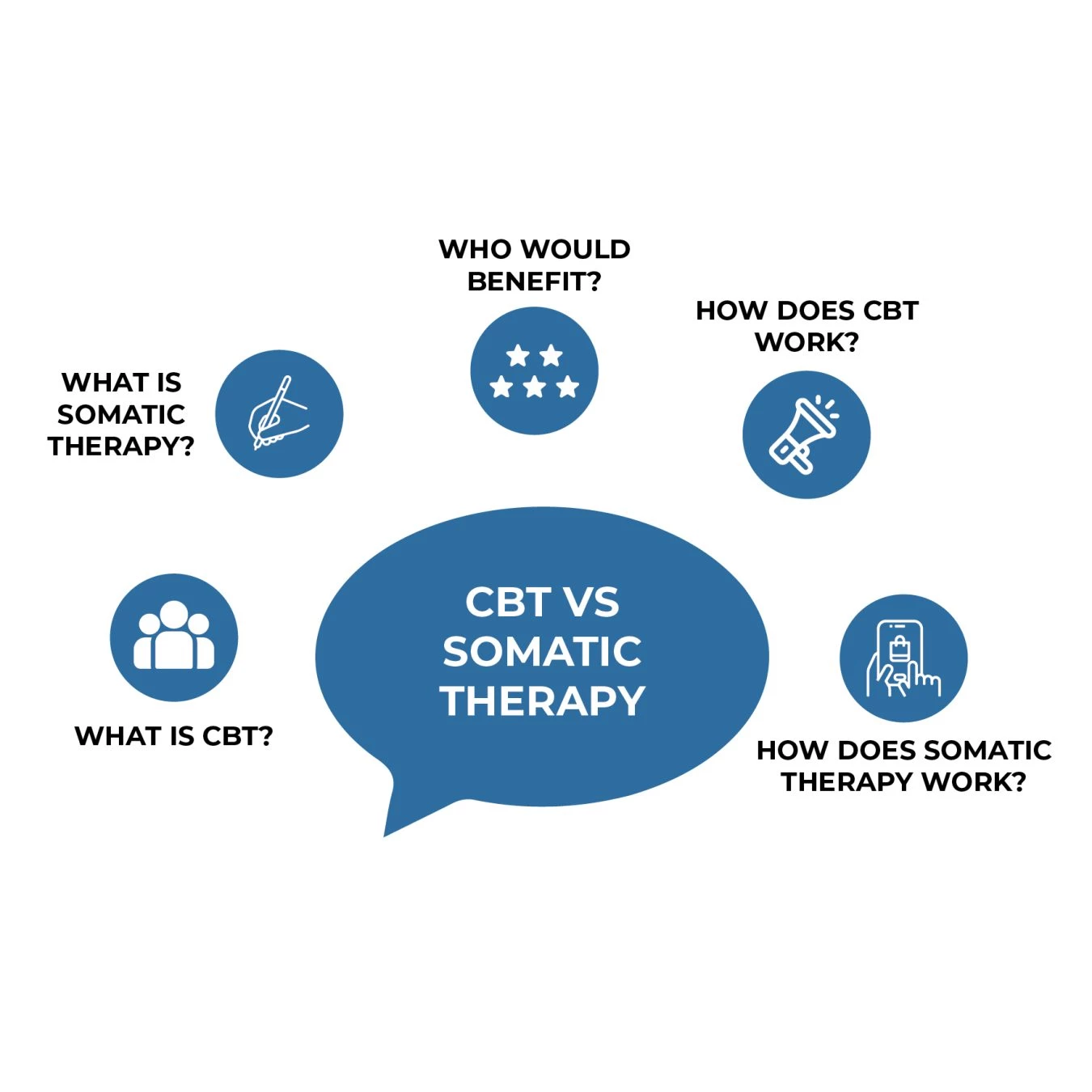
CBT vs Somatic Therapy
This chapter will compare somatic therapy with cognitive behavioral therapy (CBT).
Since these two therapies are more relatable than others and occasionally get mixed up, it is important to understand the fundamental differences between them.

What is CBT?
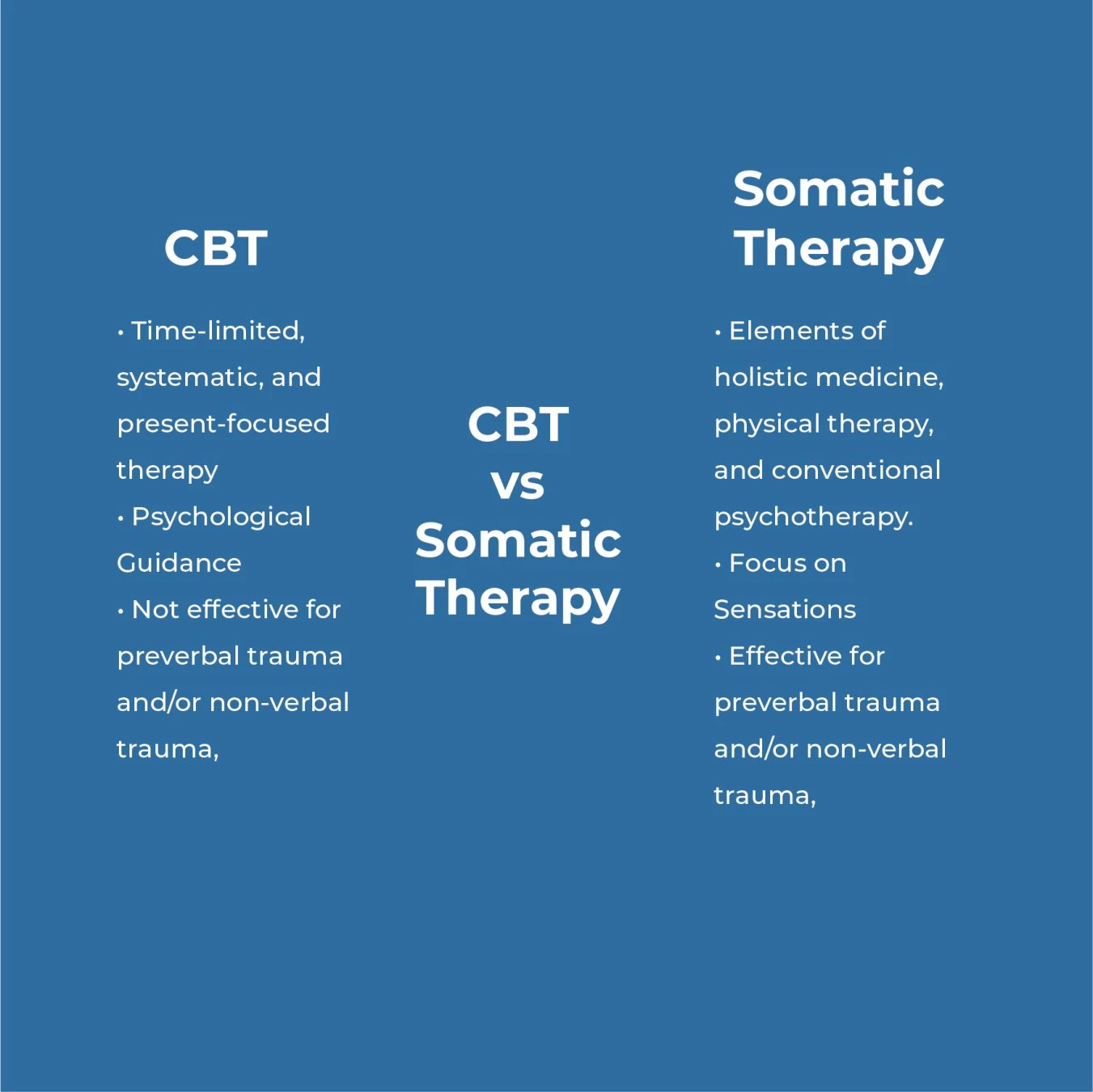
CBT, also known as Cognitive Behavioral Therapy, is a time-limited, systematic, and present-focused therapy that is evidence-based (i.e., it has been researched and tested).
The foundation of CBT is the idea that your perception of a situation is more closely related to your thoughts and feelings about it than to the actual facts of the event. For instance, when we experience discomfort, it frequently distorts our thoughts and perceptions, making us more prone to thinking things that only make us feel worse.
What is Somatic Therapy?
Somatic Therapy combines elements of holistic medicine, physical therapy, and conventional psychotherapy. Somatic therapists discover and relieve tension that is harming a person's well-being by utilizing a variety of mind-body procedures. The starting point for healing is the body, not the mind.
Somatic, which means "working with the body," is the root of somatic therapy. Somatic therapy, therefore, describes particular therapies that interact with the body. It isn't a single idea; rather, it refers to a wide range of physical treatments that therapists employ to treat mind-body stress.
CBT or Somatic Therapy: Who would benefit?
I'll demonstrate an integrative mind-body strategy for Cognitive Behavioral Therapy and somatic treatment in this part.
1. A Mind-Body Approach to Somatic Psychotherapy
A mind-body approach can help the nervous system, emotional states, and behavioral patterns be restored if you live in a chronic state of hyper-arousal or fight/flight/freeze, find it difficult to feel joy or energy in your daily life, have experienced acute or chronic stress, have a poor relationship with your loved ones or yourself, or have experienced trauma.
This approach to counseling deals with issues like depression, anxiety, post-traumatic stress disorder, pain syndromes, addiction, and emotional dysregulation by utilizing the wisdom of the body, neurobiology, attachment theory, and mindfulness.
2. A Mind-Body Approach to cognitive behavioral therapy
CBT is a skills-based approach to help shift these negative thinking and behavioral patterns if you think negatively or self-critically about yourself, have habits of avoidance or procrastination, consider yourself a perfectionist or feel pressure to please others, have a hard time saying "No," believe you have depression or general anxiety, or if these patterns are interfering with your work or relationships.
Cognitive distortions are frequent and frequently occur automatically, without question. Over time, the process of questioning and replacing negative thoughts can transform our thought processes.
You no longer allow negative thoughts to take control but can think logically and assess the appropriate response to challenging situations.
To sum up, CBT is a highly effective form of talking therapy with a wide range of benefits. It may not be appropriate for everyone or may require further therapy treatments for the greatest outcomes, but it's frequently a very good place to start.
How does CBT work?
Your therapist assists you in recognizing harmful or inaccurate ideas and/or behaviors, as well as in creating coping mechanisms for psychological symptoms and habit-changing.
These techniques will be practiced with you by your therapist so you can employ them independently.
Consider how much you detest going to work every day. In a CBT session, your therapist will assist you in identifying the false beliefs that are preventing you from moving forward, such as the notion that you are disliked by everyone at work or that you lack the intelligence or skills necessary to perform your job.
You'll then try to make those beliefs more in line with reality.
It's typical to leave sessions with homework since CBT seeks to modify attitudes and behavior in a way that lasts. While you can remain in therapy for as long as you require support, CBT is meant to be temporary.
How Does Somatic Therapy Work?
Somatic therapy typically places a greater emphasis on physical symptoms connected to traumatic memories than on processes and actions.
Somatic Therapy focuses on how the body moves us through the world, whereas Cognitive Behavioral Therapy (CBT) focuses on how the brain moves us through the world.
Although talking is a part of somatic therapy, it is not the main component of care. For instance, if you're talking to your therapist about a memory of a car accident and you start to feel anxious, your therapist may ask you to notice and explain how anxiety feels in your body before leading you through a mindfulness exercise to help you center yourself in the therapist's office.
In order to help you deal with physical sensations that trigger anxiety, your therapist can also ask you to perform physical exercises in the waiting room, such as pressing up against a wall or squeezing a pillow.
You might continue somatic therapy if traumatic recollections are hampering your ability to function on a daily basis. If you need to deal with upsetting flashbacks of a car accident before taking a road trip, you can also complete a shorter course of treatment.
In the final chapter of this guide, I discussed the differences between CBT and somatic therapy, how they both function, and who stands to gain the most from both. I'll now get to the article's conclusion.
Conclusion
Congratulations!
You've completed this guidebook admirably, and you now have all the information you require regarding Somatic Therapy.
I hope you will find this guide helpful in your daily life and that it will give you a solid understanding of somatic therapy.
Follow all the instructions in this manual in order to receive your therapy.
Which form of somatic therapy interests you the most?
Have you ever attended a session of somatic therapy?
Do you believe grounding is more cutting-edge and efficient than others?
Would you be interested in beginning a career as a somatic therapist?
Has the guide addressed every query you had? In the comments section below, please let me know if you have any other questions.
Frequently Asked Questions
What is Somatic Therapy?
Somatic therapy uses a connection between the mind and body to treat mental health issues like post-traumatic stress disorder (PTSD) and anxiety. This contrasts with several other therapies like cognitive behavioral therapy (CBT), which exclusively addresses the mind.
What are some types of Somatic therapy?
Each type uses its own strategies and methods to achieve the same goal: bringing the body and mind together for healing. Numerous additional varieties are also available, such as
1.Somatic experience
2.EMDR, Core Energetics
3.Biodynamic Psychotherapy
4.Hakomi therapy
