
Biodynamic Craniosacral Therapy: The Definitive Guide
Last updated: March 2026
Biodynamic Craniosacral Therapy
The Definitive Guide
Have you ever heard that trauma that people feel not just affects them physically but also emotionally and mentally? And that if someone wants to fully recover from any trauma they have faced in their life, they also have to work with therapeutic ways that target all three of them. Well, this is in fact true!
And one of the best and proven methods that works in Biodynamic Craniosacral Therapy (BCST). In this article, I am going to walk you through.
- The basics of Biodynamic Craniosacral Therapy (BCST) fully
- How BCST can be used in Coaching
- Risks of BCST
- FAQs related to BCST
Excited to dive deeper? Then, let’s get started.
Contents
Risks of BCST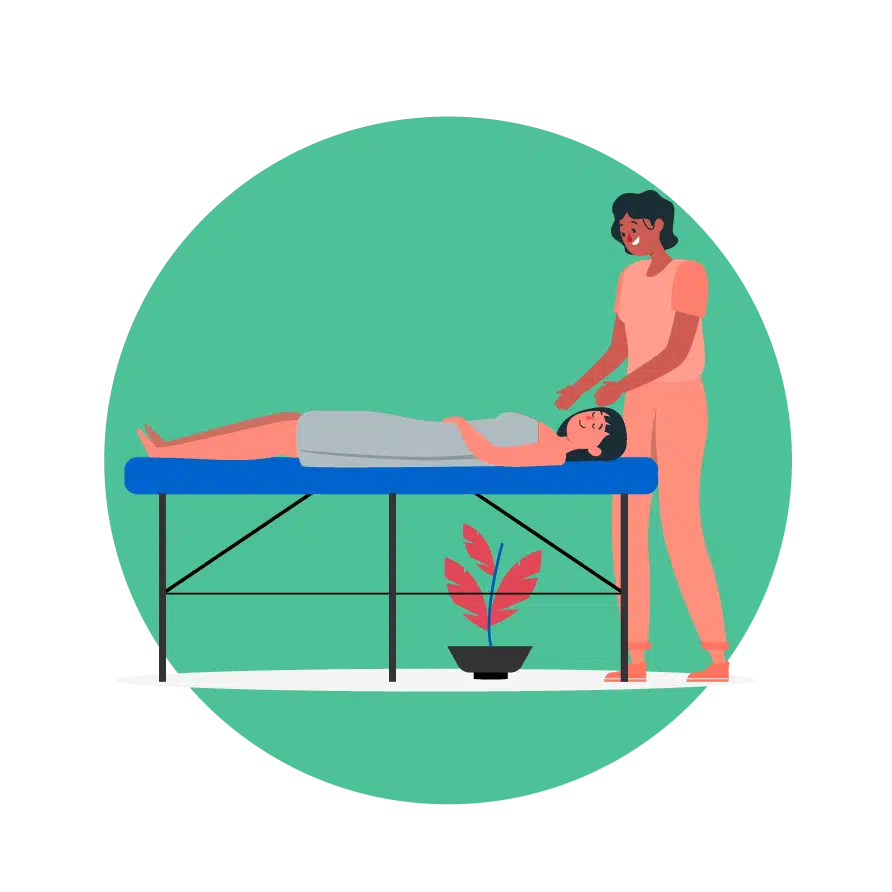
Chapter 1:
The Basics of Biodynamic Craniosacral Therapy
In this chapter, I am going to break down the basics of BCST and give you all the important knowledge you need to understand what exactly this therapy is, what it entails, the history behind it, and any other important aspects of BCST.
Let’s take a look together!
What is Biodynamic Craniosacral Therapy (BCST)?
A sensitive and gentle approach to the human experience using the entire body is called "Biodynamic Craniosacral Therapy" (BCST). Actually, BCST works with the inner core, the very center of who we are.
Physical: The cerebral spinal fluid, often known as CSF, which surrounds the spinal column, brain, and central nervous system are all affected by craniosacral therapy. This cranial modality is mild yet effective, reaching from the skeletal system's bones to the cranium's bones and all the way to the ebbing and flowing of our endocrine system.
Emotional: In terms of emotions, Biodynamic Craniosacral Therapy frequently alters fundamental and extremely deep patterns while providing the client with the time and tools necessary to examine their emotional terrain. BCST gives the customer a strong sense of internal resources. This support system offers a secure setting where emotional problems can be treated and healing can occur.
Spiritual: By allowing access to both our hearts and souls, biodynamic craniosacral therapy has the power to radically alter people's lives.
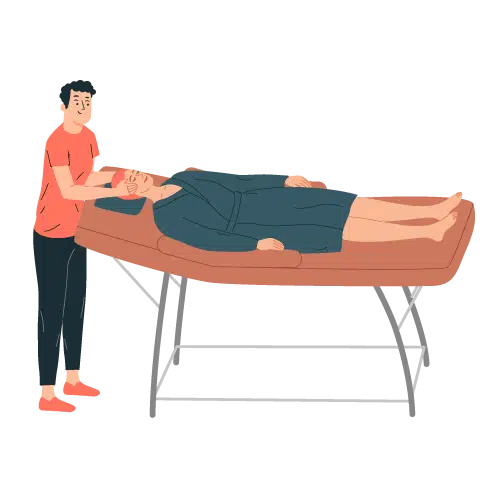
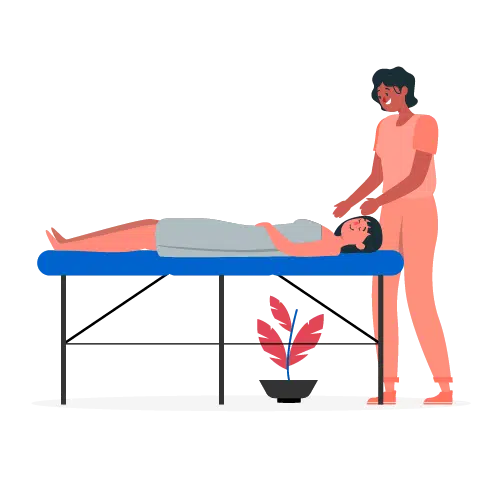
The whole body can benefit from the gentle, non-invasive touch of biodynamic craniosacral therapy. The client is fully dressed, and the practitioner uses a light, motionless touch while performing the massage on a massage table. Supporting the inherent health of the entire being, particularly the nervous system, is the session's main goal (NS). All bodily functions are controlled by the NS, which is continually transmitting and receiving information.
Biodynamic Practitioners of craniosacral therapy are familiar with how a healthy neural system works at its best. They receive years of training on how to recognize tiny physiological changes with acute perceptive abilities. Additionally, they understand the energetic map underlying a person's fundamental health and symptomatology. No matter what the illness, they think that health can always be regained.
To help the nervous system restore balance, they use their capacity to recognize the areas of the nervous system that are not operating at their best and our awareness of the "always available health" in the body. This promotes better comfort and aids the body in lessening symptoms.
How does BCST work?
The simplicity of this therapy is one of its beauties. The practitioner adopts a neutral position and lets the course of the treatment take its course. In order to promote a holistic movement toward better health, the practitioner is interested in assisting the body's inherent reorganizations across the body's tissues, fluid matrix, and energetic and emotional layers. Traumatic experiences can arise and settle without being overwhelming or overstimulating in the therapy-created safe environment.
A developed model of working with trauma processes is part of the methodology. A client feels a strong sense of safety and has the power to heal from within thanks to the therapist's embodied experience, touch, and presence in the Relational Field.
So basically, the coach guides the clients in a certain way to reprogram the client’s body to heal itself through any trauma. Pretty neat, right?
What does a biodynamic craniosacral therapist do?
The main difference between CST and massage treatment is that the client remains fully covered.
The first part of the therapy session is a consultation with the qualified therapist to pinpoint problem areas. Low lighting and soothing music are frequently utilized to promote relaxation.
The therapist then evaluates the client’s fascial system for any potential disruptions and/or limits using light pressure techniques. The client’s muscles and organs may be able to spontaneously release stress with the aid of light touch and fascial release, which enhances function. Many other patients claim to experience profound relaxation after the session, in a much different way than normal massages.
What is the difference between Biodynamic Craniosacral therapy (BCST), Craniosacral Therapy (CST), and massage?
At the first glance, all these three methods may seem very similar but there are in fact quite a few differences between the three. I am going to put it on a table for you to understand with a quick glance.
| Core Characteristics | CST | BCST | Massages |
| Involves light, guided touch to relieve stress | ✔️ | ✔️ | ✔️ |
| Works on light touch and fascial theories | ✔️ | ✔️ | ✖️ |
| Client is fully clothed during the process | ✔️ | ✔️ | ✖️ |
| Self-awareness is the focus of the sessions | ✖️ | ✔️ | ✖️ |
| Promotes self-healing through various scientific, craniosacral principles | ✔️ | ✔️ | ✖️ |
| Soft music and relaxation techniques are used | ✔️ | ✔️ | ✔️ |
| It is relevant to achieve stillness of mind, body, and soul | ✖️ | ✔️ | ✖️ |
| Focuses on the central nervous system and healing trauma through the central nervous system | ✔️ | ✔️ | ✖️ |
| Manipulates the cerebrospinal fluid to suspend rhythmic impulses and relax the CNS | ✔️ | ✔️ | ✖️ |
| Has a spiritual and meditative aspect attached to it | ✖️ | ✔️ | ✖️ |
A Synopsis of Biodynamic Craniosacral Therapy's History
Although it may seem like BCST is fairly modern, it, in fact, traces its origins to the late 1800s and early 1900s. Let’s take a look at the fascinating history of BCST.
William Garner Sutherland, an osteopath, is eventually credited with discovering all types of craniosacral therapy (1873-1954). In 1899, when he was a senior at the American School of Osteopathy, he developed a fascination for the skull's bones. The nature of these bones seemed to suggest that they were intended for movement, despite the fact that he had been told that these bones fuse in adulthood.
The temporal bone caught his eye as he studied a disarticulated skull in an exhibit at the school. He had the notion that his brain was "beveled like a fish's gills for primary respiration." Sutherland then began his lifelong quest to discover whether the living skull expresses motion and whether this motion is significant from a physiological standpoint.
Sutherland, an osteopath, started using biomechanical terminology to explain the small inside motions and pulsations he experienced. He developed a number of approaches to relieve what was seen as resistance in the cranial structures using motion testing to investigate patterns.
But in 1945, he underwent a remarkable event that altered the way he thought about his method of healing work and the words he employed. He was summoned to the dying patient's bed who was in excruciating pain. A level of quiet emerged as the man gently left this existence as Sutherland held the man's system. Sutherland had a personal encounter with what he later came to refer to as the "Breath of Life."
From a largely biomechanical approach, Sutherland's terminology and body of work now emphasized primary respiration as a comprehensive and integrated experience. He advanced past the use of motion testing, biomechanical terminology, and the application of procedures to a strategy that makes no use of external force.
The life force (unerring potency) from inside is trusted to start and complete healing procedures. Analysis and motion testing cannot eventually reveal what must occur.
Instead, it is a result of the system's "Intelligence," as described by Sutherland, and the purposes of the Breath of Life. This method of operation connects one with the mystery of existence itself at its core.
The work of Sutherland has been continued by other practitioners in the osteopathic profession. In the 1970s, Dr. John Upledger started teaching a technique he named CranioSacral Therapy outside of the osteopathic community. This work was presented by Dr. Upledger in a specific format and structure. In the development of a distinct craniosacral profession and practice outside of the osteopathic paradigm, his efforts have been crucial. The Upledger Institute teaches his work all over the world.
Between 1975 and 1979, Dr. Randolph Stone's work was researched by Franklyn Sills and a number of other interested students. Sills was enthralled by the fundamental energy and neuter essence that Stone described.
He learned that Sutherland had a significant impact on Stone in this setting. The Biodynamic Craniosacral group still has a great affinity for Polarity Therapy.
Sills relocated to England in 1982 and helped found the Karuna Institute in Devon. He completed his osteopathic studies during this time and served an apprenticeship in a busy London clinic.
Franklyn's approach was heavily influenced by a cranial osteopath who worked at the office. Franklyn was advised to become open, to focus on what was referred to as the fluid tide and the tidal potency, and to wait for the potency of the Breath of Life to manifest its curative purposes.
Franklyn was persuaded to start instructing cranial work outside of the osteopathic field by Claire Dolby DO in 1986. He had already created a two-year training course based on Randolph Stone DO's research. In 1986, with Claire's assistance, Sills taught the inaugural cranial training at the Karuna Institute. People acquired biomechanical terminology and techniques as part of a hybrid biomechanical and biodynamic training and were then urged to delve further into the more formative forces of primary respiration.
It quickly became apparent that the teaching staff's objective to introduce pupils to the more fundamental organizing principles of the human system was not served by this hybrid method. Everyone in attendance at a 1992 gathering of tutors at Karuna concurred that they wanted to start teaching what they had already mastered.
Direct orientation to the universal and conditional forces of life is the distinguishing feature of a biodynamic craniosacral approach. When using this method, the practitioner:
- settles into a state of calm and openness
- distinctly bargains a connection with the customer and their system
- the direction of primary respiration
- waits for the client's system to change so that this formative ordering force takes over
- creates a framework within which the Breath of Life and the basic respiration it produces make decisions.
It is the practitioner's responsibility to raise appreciation of the existence of both fundamental respiration and the conditioned forces and patterns stored within the system over a period of years, deepen perceptual acuity, and develop connection abilities.
In 1992, Franklyn and the Karuna team were the only ones advocating a less biomechanical approach in the craniosacral community. Before Craniosacral Biodynamics, or a completely biodynamic training methodology was established at Karuna, it required a good ten years of development.
It was a painful and humbling process of trial and error for the Karuna staff, where a clearer layering of theoretical, perceptual, and practical training was continuously established and re-evaluated by the team. Every new training year brought about changes to the curriculum.
Franklyn also helped others become familiar with what Rollin Becker termed the intrinsic treatment plan by introducing their work to the larger craniosacral community. Dr. Becker's term "biodynamic potency," which described the ordering forces present within the human system, is where Franklyn got the idea for the name "biodynamics."
In order to help students and practitioners become more aware of primary respiration and the various stages of mid-tide, Long Tide, and Dynamic Stillness, Franklyn and colleagues in the community of biodynamic craniosacral therapy devised perceptual exercises and meditative practices.
They assisted practitioners in learning how to develop a mutually beneficial relationship with their patients and their recovery process.
Franklyn included the dynamics of the interaction between the practitioner and the client as well as the healing of interpersonal and personal wounds, a major part of training and session work. The words "negotiated relational field," "holistic shift," and "mid-tide" were also created by Franklyn to help clarify some of the perceptual areas that emerge throughout session work.
Franklyn and his associates provided training at this time in Switzerland, the United States, Spain, Australia, and Germany, and the biodynamic method of craniosacral therapy has since been widely accepted.
Graduates of Franklyn's initial US training started teaching in 1995 in the US. As Franklyn continued to visit and lecture in the US, the American instructors created their own programs. Additional teams from abroad also came and are still coming to teach in the US.
As more students graduated, the necessity for some kind of ongoing assistance for graduates soon became clear. In order to fill this gap, the Biodynamic Craniosacral Therapy Association of North America was established in 1998.
Deborah Bochinski, Anna Chitty, John Chitty, Roger Gilchrist, Elizabeth Hammond, Kathleen Morrow, Christopher Muller, Mary Louise Muller, Sharon Porter, Peggy Reynolds, and Scott Zamurut, all of whom were former students and colleagues in the United States, contributed to Franklyn's USA foundation courses, developed the work in their own ways, and are currently engaged in teaching both there and abroad.
The Biodynamic Craniosacral Therapy Association presently accredits a large number of teachers in North America as biodynamic educators. This work has become a vital and expanding field of practice that has expanded around the globe.
How is BCST beneficial?
Biodynamic Craniosacral Therapy (BCST) is beneficial for relieving central nervous system tension and promoting a sense of well-being by alleviating pain. It also improves overall health and immunity. It heals the body emotionally, mentally, spiritually and physically from all aspects due to its multi-dimensional approach.
What makes BCST unique?
A specific kind of touch is biodynamic touch. It is respectful and light. There is never any coercion, pressure, or force. Your therapist is skilled at establishing a serene, still, and embodied presence. You can feel secure, supported, and held when someone makes you feel like that. Your brain can switch from flight or fight to rest and heal thanks to this feeling of security. This stage allows for the beginning of healing and change.
What Sets BCST Apart?
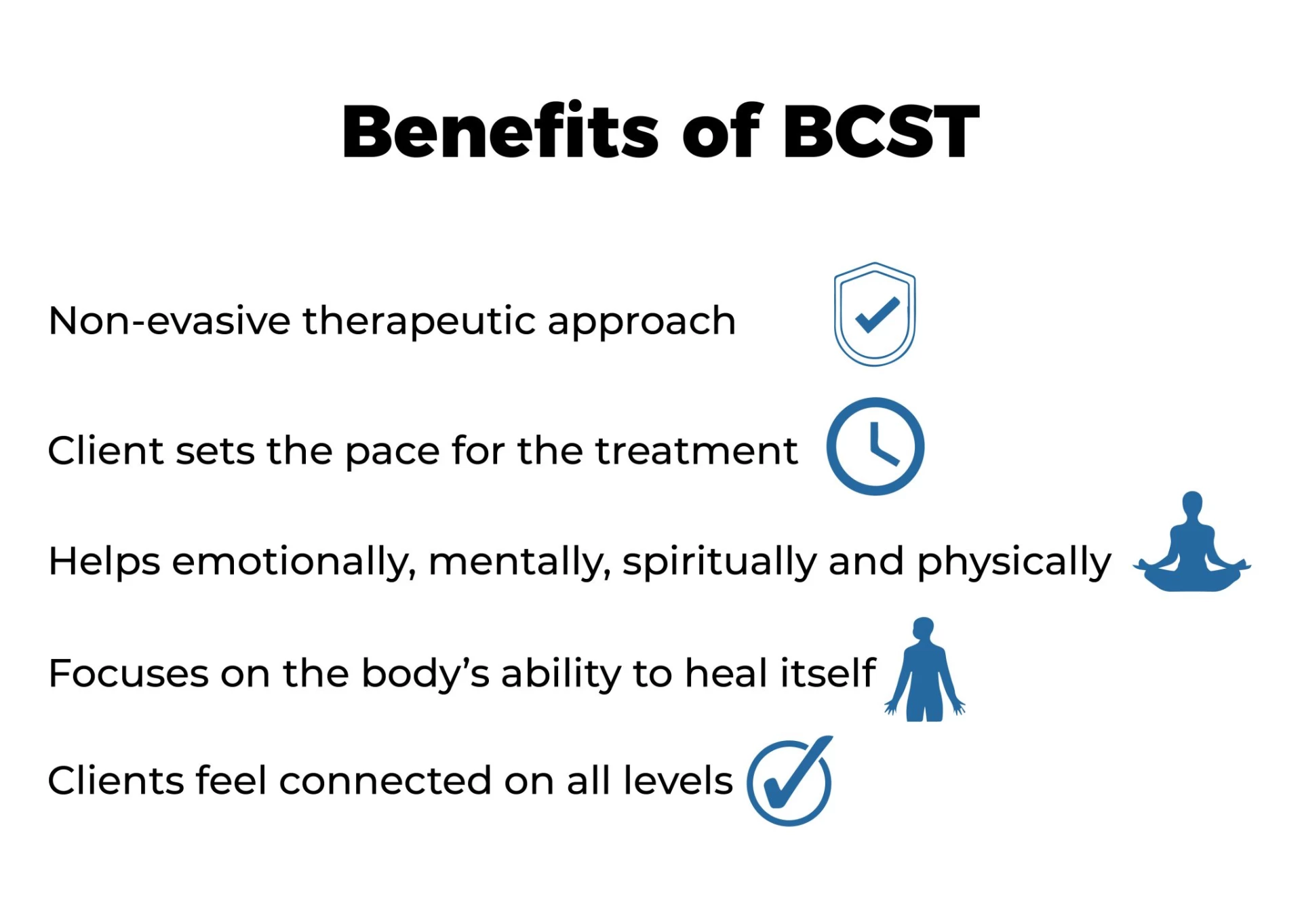
- There is no use of force or manipulation during BCST treatment; it is soft and non-invasive.
- The pace of treatment is determined by the client, the needs of your client, and is fully a client-led therapy.
- According to BCST, emotional, mental, spiritual, and physical health are all intertwined, and BCST thus recognizes the full person.
- Central to the therapy is a knowledge of the body's ability to heal and promote self-repair.
- Customers claim that they felt truly listened to on all levels.
- A progressive therapy, BCST integrates conventional therapeutic understanding with the most recent advances in medicine.
- A potent method for encouraging the brain to form new connections through the biodynamic touch.
Chapter 2:
Details of BCST
Now that we have understood what BCST is, we need to understand what BCST sessions look like, what can clients expect to feel, what you can do, and how the session conclusions might be.
This chapter will focus on that.
What does a session look like?
Sessions will vary depending on the practitioner, but generally speaking, each session will start with the client sitting down and discussing any health issues they may have with the therapist. You as a coach will then talk about your combined goals for the session as well as take a brief health history from the client.
The client will be completely clothed throughout the session, first sitting in a chair and then reclining on a massage table in a supported and comfortable position. They should always feel safe and at ease, thus you, as a coach, should adhere to any necessary adjustments to the lighting, temperature, etc as requested by the client.
The therapist may occasionally also inquire about the client’s current feelings and will support them in remaining mindful of whatever it is that they are going through.
The therapist will check with the client before the session starts to make sure they're comfortable with the procedure. After then, there will be some time for talking before the therapist comes close to the client. Sometimes it takes some time and conversation to find the proper level of comfort so your client can unwind.
This process will have to be guided by you as a coach for the client. Establishing comfort is a crucial first step to ensuring that the session's events are about the client and not a reaction to a lack of comfort with the therapist/coach or the table.
The therapist will have to recheck with the client after making contact to ensure that the touch is appropriate for them. The touch used during sessions is very light and delicate. The therapist might start with the feet, head (cranium), or sacrum (the triangular bone at the bottom of the spine).
The therapist can work on any part of the client’s body during their session, utilizing the contact that feels most comfortable for them, depending on their areas of concern.
Depending on the therapist and the client’s needs, sessions might range anywhere from 30-90 minutes. The therapist will hold various parts of the client’s body in a quiet, gentle manner while monitoring changes in their system and listening to the subtle rhythms.
In this process, the therapist will have to pay attention to how the client’s body communicates the priorities for this particular session that will result in the results the client and the coach want to achieve in that particular session. Despite the fact that just one session can have obvious improvements, it frequently takes several to get the desired effects.
What to expect during the session?
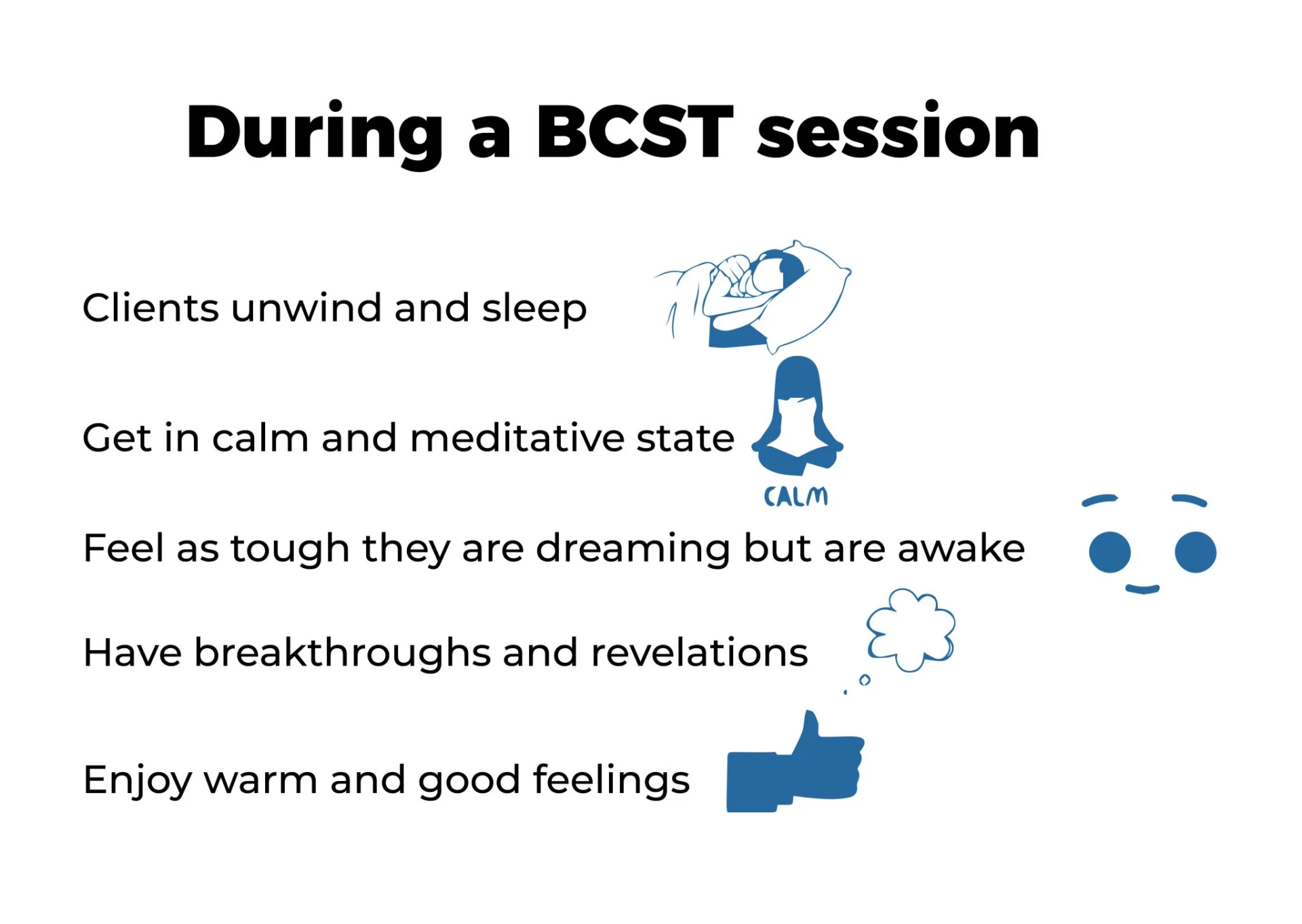
Throughout the session, your could:
- Unwind completely and go to sleep.
- Put themself in a calm, meditative condition.
- Feel as though they're awake but dreaming
- While seated, have recollections or revelations
- Enjoy a warm, softening, broadening, or floating sensation.
As energy that has been trapped in the body is released, the client could occasionally feel different kinds of feelings. If this happens, simply guide your client to pay attention to their breathing and physical sensations while letting the energy out. The process of letting go of patterns that limit their health and energy is frequently a part of the session.
You as a therapist might detect changes in the client’s fluids, tissues, bones, and potency as these patterns start to change. Your goal is to make the client feel integrated in the mind, body, and soul.
What to expect after the session?
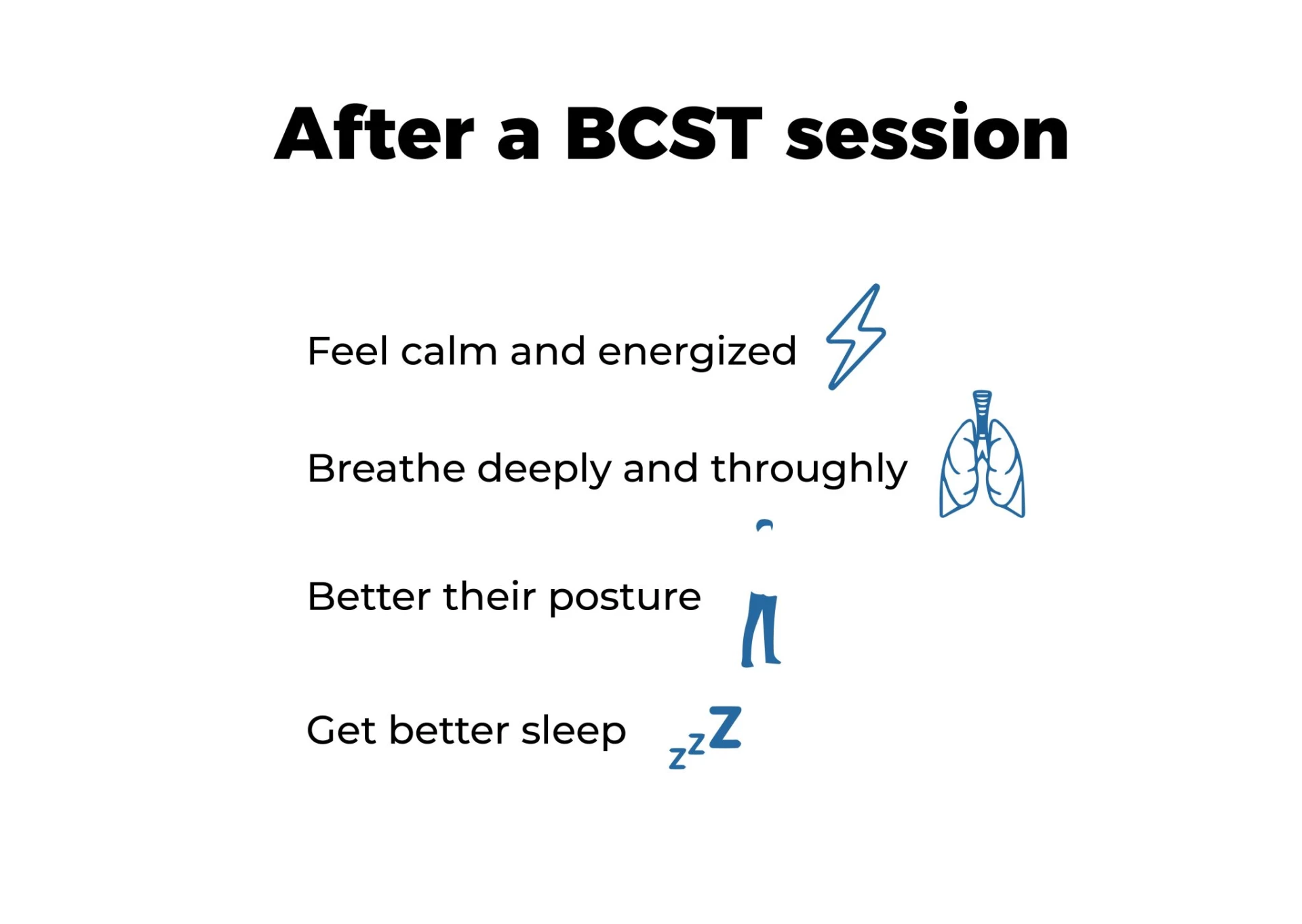
At the session's conclusion, the client may:
- Feel both calm and energized
- Try to breathe more deeply and thoroughly.
- Better their posture and increase their height.
- Feel more at ease with your body.
- As the clients leave the office and return to their life, revitalized, they might be astonished to experience a fresh sense of calm and ease.
- They might also observe a change in their sleeping habits
Whatever their experience is, after they get up from the table, the therapist should spend some time with the client to see how they are doing. This is a fantastic chance for you to allow the client to put their experience into words and consider how the session has changed the way they feel. You should also warn the client that even after leaving the session, the positive effects might still be felt.
After the session ask your client to spend some time over the following two to three days observing how they interact with others.
- What kind of sleep did they have that night?
- How are they digesting things?
- How would they rate their whole life experience?
- Determine what continued use of this work might offer them by paying attention to its aftereffects.
You now know what a session fully looks like! We can look into how you can be a BCST coach and which ways you can take to get there in no time in the next chapter.
Chapter 3:
BCST and Coaching
Now that you have understood the crux of BCST, let us look into how one can be a BCST coach. In this chapter, I am going to break down the various paths to become a BCST coach, training needed, where to access these trainings, and the potential salaries you can make as a BCST coach.
So, let’s get started!
How to become a BCST coach?
The best way to become a BCST coach is to undergo the necessary training to become a licensed and well-experienced therapist of BCST coaching. The succeeding topics will walk you through the various stages to become a well-paid and respected BCST coach.
Who can become a BCST coach?
This is the most open and welcoming community you will come across. There is not a single type of person who is best suited to become a BCST therapist or a coach. But you can be a good BCST coach if:
- You are an empathetic person
- You like helping people through therapy
- You don’t mind touching people for therapeutic ways
- You yourself are a balanced and centered person
- You are excited to be a BCST coach and are keen on how it works
- You want to make a six-figure coaching salary
- You are willing to help people navigate through and heal their trauma
- You are willing to study BCST
If you match these criteria, you will be a stellar BCST coach.
Where can I get certified?
After you have determined that you want to be a BCST coach, you will have to get some certifications under your belt which will help you in learning, understanding, and practicing BCST therapy and coaching. There are some main, established organizations which offer BCST coaching and therapy certifications.
Organizations which certify BCST coaches
- The Biodynamic Craniosacral Therapy Association of North America
- Body Intelligence
- Body College
- Pacific Association of Craniosacral Therapists
- Natural Health Practitioners of Canada
- International Affiliation of Biodynamic Training
- Irish Association of Craniosacral Therapists
- Craniosacral Therapy Association
All these organizations certify and help you achieve your BCST training goals. The organizations will give you legitimate certifications which you can use to be good BCST therapists. I personally recommend the following courses:
- The Biodynamic Craniosacral Therapy Association of North America
- This association is the most well renowned organization in BCST training in all of the world. They offer many courses. You have to start at the basic level and work your way up. To become a well-paid coach, usually, you, at least, need an intermediate level of training and practice. But you can also start offering certain sessions right after basic training.
- Body Intelligence
- This is also an extremely well established and well known organization for getting your certification. They have a wide variety of courses available and they have training centers across the world so you can find a center close to you!
- They also offer many courses across various training levels and needs so you can pick and choose which suits best to your goals and budget as a therapist.
- Body College
- This organization is affiliated to Body Intelligence and their two-year BCST course is the most famous. This course is offered in-person in London and Galway.
- They also offer post graduate courses.
Apart from these three recommended courses, you can find courses taught by the other well-renowned organizations as per your needs, wants, budget, etc.
Where to find clients for BCST?
After understanding how to become a BCST coach, most people wonder where they can get their clients. In my experience, there are a few different ways you can get clients. I suggest using a combination of all of these ways to get the best results:
- Register yourself in the local therapists and coaches directory
- Start with friends and family which will help spread the word
- Become a member/register as a member of these organizations
- Register yourself as a BCST therapist for the local hospitals and trauma centers
- Attend local expos and exhibitions related to BCST
I understand that not all of these options are available for everyone, but usually even using a couple of techniques listed here will help you get clients.
How much does a BCST therapist make?
Another question that I get asked most is, “Well Sai, is this a lucrative coaching field?”. And the answer is a definitive YES! Of course, there is a range of salaries that therapists make but it is extremely achievable to make a six-figure salary through consistent sessions and establishing yourself as a reputed BCST therapist.
The average salary of a BCST therapist starts between USD45,000- 76,000 and only moves up from there. This ends up being around USD 37.67 per hour which is quite good!
Of course, the more you establish yourself and the more experience you get, the more your salary will increase.
Plus, as you will be an independent and self-employed individual, the sky's the limit for what you can charge your clients if you can justify it. So think big and become one of the best BCST therapists out there.
But no career comes without some risks. In the next chapter, I am going to focus on some risks of engaging in BCST and how you can avoid being stuck in a pickle if you see any of these risks.
Chapter 4:
Risks of BCST
Just like every other therapy method, even BCST can have some drawbacks, especially when performed on clients with a serious medical history.
In this part of the article, I am going to address some tell-tale medical histories that suggest that your client may not yet be ready for BCST.
Please look out for them while accepting new clients.
For whom is craniosacral treatment appropriate?
Almost everyone can gain from BCST. However, there are some conditions where craniosacral therapy may not be suitable, in which case clients should consult their BCST coach and doctor before engaging in BCST.
If your client has gone through any of the following and their doctor hasn't given you the all-clear for treatment, their session needs to wait:
- recent head injury
- cerebral edema.
- problems in cerebellar structure, such as the Arnold-Chiari malformation
- brain hemorrhage.
- brain damage caused by trauma.
- clots of blood.
- any condition that disrupts the flow, buildup, or pressure of cerebral fluid.
You, as a coach, need to be thorough when you take the medical background of your client before starting with their sessions.
It is needed so that you do not risk legal action against you in the unfortunate scenario when one or more of your clients have an issue during the session.
Conclusion
Congratulations on getting through the whole article! This was a lot of information to process and I am so proud of you.
Now let me ask you, did you find this article helpful?
How are you planning to use BCST in your coaching session?
Was there anything I missed?
Please let me know your thoughts in the comment section below.
Frequently Asked Questions
Who benefits from BCST?
Additionally, damage to the bones and tissues can benefit from BCST treatment. Including prenatal and birth trauma, BCST is a useful modality for examining and addressing issues from the past. An unconscious belief system that is irrelevant to an adult can be produced by early trauma. The BCST enables the acknowledgment of outdated beliefs and the transition to true or useful beliefs.
How many of us have been in an accident, suffered a head or tailbone injury, undergone minor or major surgery, or needed dental work? Experiences in life might leave behind anesthetic residues, physical strains, and emotional anguish. The biodynamic method enhances the entire system, establishing a secure setting in which the body can develop fresh insights and find constructive solutions to problems.
Is BCST safe for everyone, especially young children?
Children are adept at communicating their experiences through sound and movement. When the child is being watched and helped to overcome problems during "playtime," the practitioner can accomplish a great deal of subtle work. The manner a cranky, hyperactive, or unhappy youngster will relax or go asleep during treatment frequently astounds parents.
Of course, the problem is the active toddler who won't stay still. Holding the infant while the practitioner makes even fleeting touches with the spine, head, and sacrum will be helpful in this situation. With a child, a little goes a long way. Anything that can be handled during infancy or childhood, frequently in just a few sessions, has the potential to save decades of future medical and psychological care.
Additionally, when misaligned pressures are resolved, we are less likely to have accidents since we are not "off-balance."
Is BCST safe for pregnant people?
The Biodynamic method can make contact with the infant's sensitive neurological system's Primal Midline, which is where our Originality, or perfection, resides and which protects us from the harmful effects of our genetic make-up.
Additionally, even though the developing fetus is very cognizant, he or she cannot distinguish between the thoughts and feelings of the mother and its own.
As a result, when the mother's system is balanced and comforted throughout pregnancy, the baby also reaps the benefits. It has been discovered that this treatment can also aid with fertility problems.
Do manipulations take place?
In the biodynamic approach, the healing process originates inside the patient rather than being imposed from without by the practitioner, and hand touches are focused on listening to the patient's process rather than attempting to force or manipulate the patient into a preconceived ideal state.
How can biodynamic craniosacral therapy help me?
You might get more upright or breathe more freely and profoundly. Emotional boundaries may be simpler to maintain and pains may lessen. You're likely to experience extreme calmness and relaxation.
Since every person is different, it is hard for us to state with certainty what advantage you will experience or when you will feel it, but the aforementioned effects are most common.
What is the process of biodynamic craniosacral therapy?
Numerous tides are produced by the CSF fluid variation within the system. The client's system starts to access its own inner resources as the practitioner listens to these internal tides from a position of stillness, much like finding the keys to a locked door.
The dural membranes allow the intelligence and potency (life force) carried by the cerebrospinal fluid to mix with other physiological fluids as it bathes and protects the brain and spinal cord. With the goal of helping the system recall its original design for health, a biodynamic craniosacral therapist learns to profoundly listen to the system and engage its innate intelligence.
The therapist offers fresh options and opportunities for the system at every level, encouraging the client's system to access its resources.
Therefore, training includes in-depth study of the anatomy, physiology, and natural motion of the craniosacral system in addition to deep perceptual and centering abilities.
Which symptoms respond to biodynamic craniosacral therapy the best?
Because it can aid in the healing of systemic imbalances within a patient's or client's body that may later result in disease or injury, BCST is also beneficial as a preventive therapy.
How many appointments will someone require?
In order to preserve their health, customers frequently have regular treatments for longer lengths of time, followed by an occasional follow-up.
Why do people frequently "doze off" during their sessions?
The mind unwinds in this deep space, allowing the possibility of illness or injury to rearrange and recall its innate health. Biodynamic craniosacral therapy enables the system to unwind and rest if it is worn out or overworked, typically in a deep healing still-point or stillness.
Does biodynamic craniosacral therapy have insurance coverage?
Advise your client to find out what the requirements might be and how to get coverage by speaking with a nearby general practitioner. Client’s primary care doctor and insurance agent are also crucial contacts for securing coverage.
