Coaches I know, are anxious about at least one of these:
‘How do I get more clients?’
‘How do I market my coaching business?’
Marketing your coaching business is an essential part of your coaching practice. If you want to thrive as a coach, you need to position yourself and your practice so that it reaches the right audience and you keep getting new clients.
Effective marketing for coaches is all about learning the tricks of the trade. I have compiled the ultimate list of 26 marketing tips and tricks for you to promote your business and get busy signing on new clients!
In Brief: 26 Marketing Strategies and Tips for Coaches
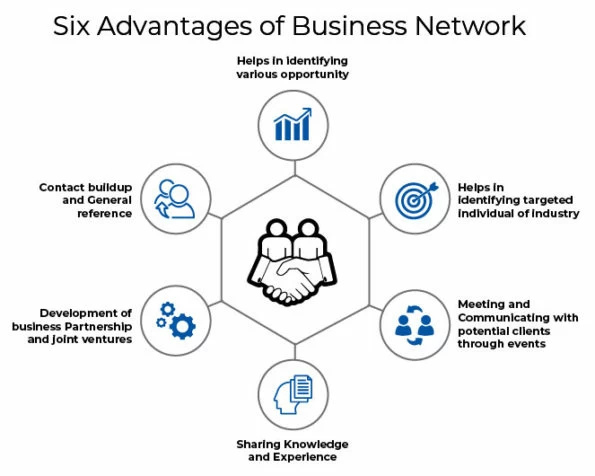
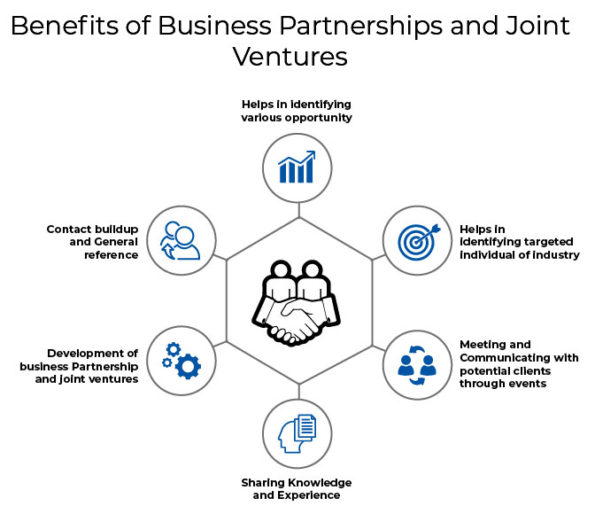
🤝 Joint Ventures: Partner with others who have your target audience to boost credibility and attract clients.
🔄 Referrals: Implement a referral program with rewards to incentivize client referrals, enhancing client acquisition.
📧 Email Marketing: Engage with leads through regular emails, sharing tips, stories, and event info.
🌐 Webinars and Online Workshops: Conduct webinars to attract engaged participants and showcase expertise.
🖋️ Content Marketing: Share valuable content like blog posts and videos to build authority and attract clients.
📈 SEO: Optimize content for search engines to improve visibility and attract more website visitors.
👥 Social Media Marketing: Use platforms like Instagram, LinkedIn, and TikTok to interact with and grow your audience.
💸 Paid Advertising: Employ targeted ads to reach specific audiences, though it can be costly.
💬 Social Media Groups: Create or participate in groups to connect with and attract clients.
✍️ Guest Posting: Write for other blogs to expand your reach and authority.
📈 Press Features: Get featured in media to enhance visibility and credibility.
📺 Video Marketing: Use video content to engage audiences and showcase your expertise.
📘 Publishing a Book or E-Books: Write a book to deepen connections with your audience and establish expertise.
🌐 Create a Community Platform: Build a community to interact with and provide value to clients and followers.
🛠️ Interactive Tools and Resources: Offer quizzes, worksheets, and templates to engage and provide value to your audience.
🌐 SEO - Optimize online content: Ensure your online content is well-optimized for search engines.
📱 Social Media Marketing: Engage with your audience through social media platforms.
🤝 Offline Joint Ventures: Form partnerships with related professionals to tap into broader audiences.
👨💼 Networking: Build relationships in and out of your field to expand your client base.
🎤 Speaking Engagements: Speak at events to establish authority and directly connect with potential clients.
📄 Landing Pages: Create focused landing pages with clear calls-to-action to convert visitors into clients or subscribers effectively.
📜 Professional Development and Continuous Learning: Stay updated and enhance skills through continuous learning.
🌟 Personal Branding: Use personal stories to differentiate and strengthen your brand.
💬 Testimonials and Reviews: Collect and showcase client feedback to build credibility.
♻️ Repurposing Content: Convert content into multiple formats to maximize reach and engagement.
🤖 AI and Technology Integration: Use AI tools for efficient content creation and marketing automation.
🚫 Don’t Try to Do Everything: Focus on a few strategies to avoid being overwhelmed and increase effectiveness.
When I say 'market your coaching business’, do you think:
25 Game-Changing Marketing Strategies for Coaches
I built my coaching business from nothing to a company that makes millions each year. Building a coaching business from scratch into a million-dollar venture involves more than just expertise in coaching—it requires masterful marketing.
Here are the 25 strategies that worked for me and will work for you too:
Marketing for Coaches — My Top 5Strategies
As a coach, mastering the art of marketing is as essential as your coaching skills.
Over the last 9 years, I've honed a set of marketing strategies that have proven effective in attracting clients.
Here, I'm sharing my top five tactics that can help you, as a fellow coach, to thrive in this competitive landscape.
1. Joint Ventures (JV)
If you're not familiar with JVs, think of them as partnerships where someone who already has your target audience promotes your work. This endorsement means they're placing their trust in you, which is a critical factor in acquiring paid clients.
I consider JVs one of the most effective sources for client acquisition. In the initial years of my business, I relied solely on joint ventures, and it was undeniably the best decision I made.
Real Life Success Stories: One of my clients, Nadine, recently partnered with a JV who has a group of over 120,000 members!
Another client, Vijaya, has a steady stream of JVs and averages about 10 promotions each month.
And for Kaley, I'll let the impact of a successful JV speak for itself.
Influencer Partnerships
Imagine partnering with an influencer, like Brian Tracy or Les Brown. Teaming up with influencers can dramatically expand your reach and bring your coaching to audiences who might otherwise never find you.
Podcasting
Podcasting is a fantastic way to reach new audiences. It allows you to share your expertise and connect with listeners on a more personal level.
Regular episodes can help establish you as a thought leader in the coaching industry.
For example, if you start a podcast discussing common challenges and solutions in personal development, it helps listeners see you as a go-to expert in those areas. Regular podcasting keeps your audience engaged and often leads them back to your services.
2. Referrals
Referrals are the most cost-effective method to gain new clients.
Creating an effective incentive structure is key to motivating your clients to participate actively in referrals.
Simplify the Referral Process
Start by simplifying the referral process. Provide your clients with easy-to-use referral codes or personalized links that they can share with friends and family.
The simpler it is to share, the more likely they are to do it.
Ensure the sign-up process for referred clients is straightforward, removing any barriers that could deter them from joining.
Offer Compelling Incentives
Offer incentives that genuinely excite your clients. This could be a discount on future coaching sessions, access to exclusive content, or even cash rewards for each successful referral.
The key is to offer rewards that motivate your clients to actively participate in spreading the word about your coaching services.
Promote Your Program
Finally, promote your referral program effectively. Use every channel at your disposal—social media, email newsletters, and even in-person events.
The more your clients know about the benefits of referring others, the more likely they are to take action.
For effective email campaigns, consider using platforms like Mailchimp, Constant Contact, or ActiveCampaign. These tools offer easy-to-use templates, automation features, and comprehensive analytics to track open rates, click rates, and conversions.
Regularly test different headlines and content formats to see what resonates best with your audience.
4. Webinars and Online Workshops
Webinars and online workshops are great for finding people who are really interested in what you have to offer. When someone takes the time to sign up, mark their calendar, and then actually show up, it shows they're genuinely interested in your topic.
Take, for instance, hosting a webinar called "Transform Your Life in 30 Days." This type of event attracts people who are looking for deep, meaningful change and are ready to take action.
It's during these sessions, where you have their full attention, that you have the best chance to show your expertise and convert attendees into clients.
It's all about making the most of the time they're giving you by delivering real value.
5. Content Marketing for coaches
Developing and sharing valuable content through blog posts, videos, and more is key to establishing your authority in the coaching field. Consistent content marketing can attract and engage your target audience, building trust and establishing your expertise.
For example, say you write a blog called "Tips for Taking Care of Someone with Dementia." This kind of post will naturally attract people who are dealing with this challenging situation.
Through your tips, they'll start to see you as an expert—someone who really understands their struggles and can offer helpful solutions.
What you write or share needs to connect directly with the issues your audience is facing, so they recognize you as the go-to person for solutions to their problems.
Best practices include using SEO-friendly keywords, engaging headings, and providing actionable insights. Make sure your content is well-researched and offers real value that addresses your clients' needs and challenges.
Short-Form Content: Social Media Posts
Short-form content is ideal for platforms like LinkedIn, Facebook, and Instagram. Best practices for this type of content include using attention-grabbing headlines, engaging visuals, and hashtags to increase visibility.
Keep your messages clear and concise, and encourage interaction through questions or calls to action.
Online Strategies
In today's digital age, having an effective online presence is crucial for your coaching business.
The internet offers various strategies that can help you expand your reach, engage with your audience, and boost your brand.
Understanding these methods and how to apply them can be the difference between success and stagnation.
SEO - Optimize online content to rank higher in search engine results
Blogging can be a solid strategy to drive traffic to your site, but it demands both time and a deep understanding of SEO. You can't just write about anything and expect your blog to perform well.
Content is crucial, yes, but so are many other factors if you want to rank on Google.
Your blog needs to be technically sound, fast, mobile-friendly, target the right keywords, and be well-optimized with strategic promotion and outreach. This often requires expert advice, which can be costly.
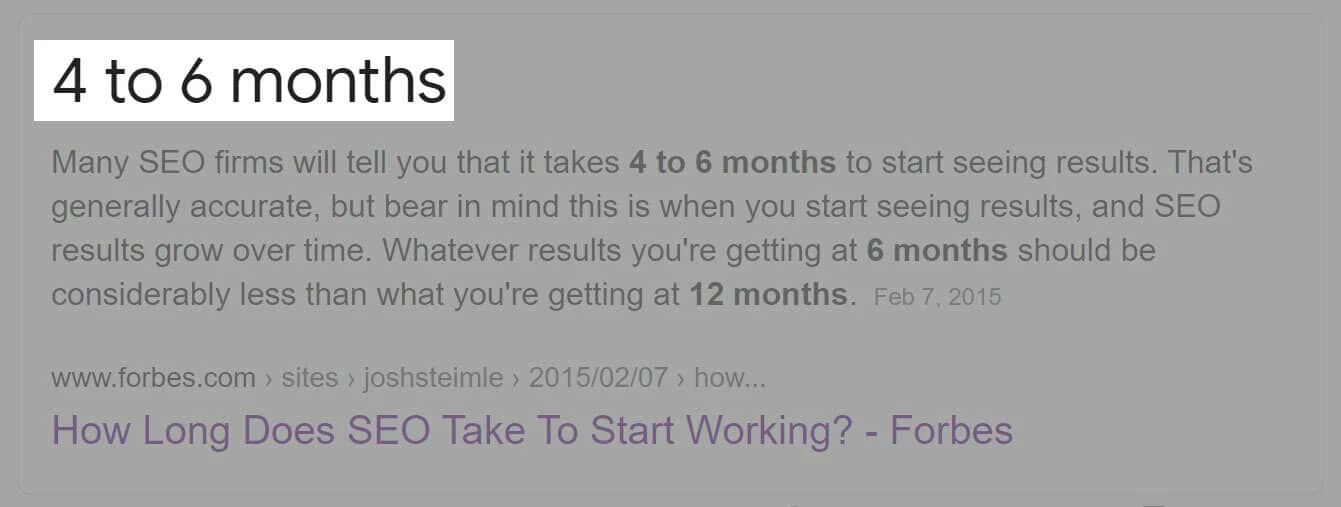
Remember, even for SEO professionals, a blog might take 4 to 6 months to start showing significant results, and it could take even longer if you're tackling everything solo.
Social Media Marketing
Utilize platforms like Instagram, LinkedIn, TikTok, and Pinterest to increase visibility and interact with your audience.
It is perfect for posting visually appealing content, like reels. For example, if you're a PCOD coach, you could share short tips on managing the condition.
Pinterest is all about driving traffic through visual search. It's excellent for sharing high-quality images that link back to your coaching content.
Pros
Cons
Paid Advertising
Use targeted ads on social media and Google.
The effectiveness of online ads largely depends on your coaching niche. They can be costly, especially in competitive markets, as you're vying for attention with a saturated audience.
While setting up online ads might seem straightforward, they can quickly become a financial drain if not managed correctly. I've invested a significant amount in online ads myself, and it's challenging.
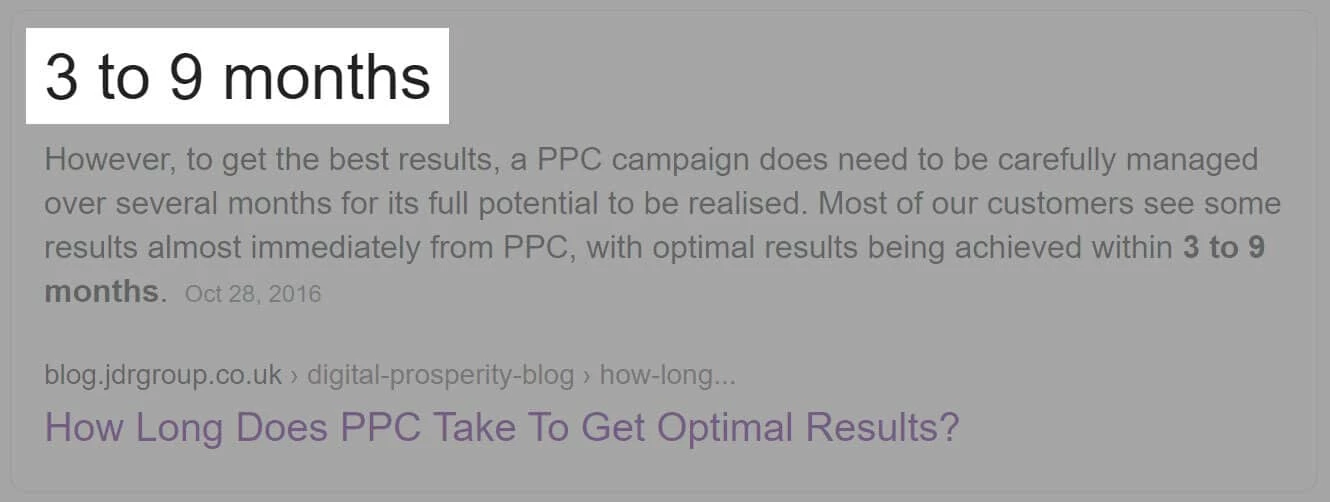
Typically, it can take anywhere from 3 to 9 months, or even longer, and a considerable budget to see substantial results, often requiring the expertise of a seasoned marketer.
Social Media Groups
Join or create groups on platforms like Facebook and LinkedIn that relate to your niche. These groups are great spots to connect with potential clients who are interested in what you offer.
Creating Groups
Imagine starting a Facebook group like "California Moms Over 40." By offering specific tips and guidance for this demographic, you directly target an audience that can benefit from your services, making you their go-to expert.
Participating in Groups
By actively participating in existing groups, you can subtly promote your coaching services by offering valuable advice and solutions directly related to the group's focus. This approach helps establish your credibility and attract clients who see your active contribution.
Guest Posting
Write articles for other blogs or websites. By guest posting on reputable platforms, you can appear as an expert in your field. Mentioning these guest appearances on your website enhances your credibility. Writing for others exposes you to their audience, expanding your reach and establishing your authority in the coaching industry.
Press Features
Get featured in media outlets. While PR can be a powerful tool for gaining exposure, it requires a lot of resources and may not be advisable unless you have the budget and strategy to make the most of it. PR can boost your visibility significantly, but it's important to be ready to leverage it fully.
Video Marketing
Engage viewers on YouTube and other platforms. Video marketing is a dynamic way to engage with your audience and showcase your coaching expertise.
Start by identifying your target audience and the platforms they frequent. Creating content that resonates with your audience involves understanding their preferences and the type of content they value.
A great approach for coaches is to create "How-to" videos. These videos can cover topics ranging from leadership skills to self-care routines or business tips, depending on your niche.
For example, a relationship coach specializing in anxiety-related attachment styles can create a highly beneficial video tailored for both men and women who experience anxious attachment.
The video could be titled "Understanding and Managing Anxious Attachment Style" and offer practical tips for viewers to identify symptoms of anxious attachment in their relationships and learn strategies to cope with them effectively.
Aim to provide valuable content that helps viewers improve specific aspects of their lives. Additionally, incorporating customer testimonials or personal success stories can make your videos more relatable and trustworthy.
Publishing a Book or E-Books
Publishing a book or e-book is an excellent way for coaches to establish authority in their niche. When you write a book, it allows you to deepen the connection with your audience by sharing comprehensive insights and methodologies that go beyond the scope of short-form content.
Take Robert Kiyosaki, the author of Rich Dad Poor Dad. His book not only made him a well-known financial advisor but also reached millions globally. It sold over 41 million copies and was translated into 51 languages. This fame helped him gain many clients and followers interested in learning about financial independence and investing.
If your book really connects with a specific group, like Kiyosaki's did, it might even become a bestseller. This can make you more visible, leading to more coaching jobs, speaking gigs, and a bigger platform to share your ideas.
We can help you become a bestseller, too. With our dedicated team of book coaches and expert editors, we'll guide you every step of the way through the publishing process to make sure you not only publish your book but also achieve bestseller status.
Create a Community Platform
Creating a community or membership platform is a fantastic way to gather your clients and followers in one place where they can interact with each other and you.
This approach not only helps retain clients but also adds value to your services.
Start Simple You could begin with a private Facebook group or a Slack channel. The key here is to make your members feel special and exclusive. Post regular updates, share insights, and initiate discussions relevant to their interests and challenges.
Encourage Interaction Ask open-ended questions to spark discussions. For example, if you're a fitness coach, you might ask, "What's the biggest challenge you've faced with home workouts?" Such questions encourage members to engage and share their experiences, fostering a sense of community.
Provide Exclusive Content This could be in the form of weekly live sessions, Q&As, or downloadable resources only available to group members. Exclusive content keeps the community alive and active, as members have something unique to look forward to.
Interactive Tools and Resources
Interactive tools like quizzes, worksheets, or templates can greatly enhance the user experience by personalizing it. They not only engage your audience but also provide them with value, making your coaching more appealing.
Quizzes
You could create a quiz that helps potential clients understand which area of their life needs the most attention, whether it’s fitness, nutrition, finance, or mental health. For instance, a wellness coach might offer a "Wellness Score" quiz that evaluates a user's current lifestyle choices and provides personalized tips.
Worksheets
Worksheets are invaluable tools in coaching as they actively involve clients in their own growth and learning process. They encourage reflection, help track progress, and make abstract concepts tangible.
The clients’ active participation helps them internalize lessons and apply them more effectively in their daily lives.
For example, a health coach can provide a worksheet that clients can use to record their daily activities, such as food intake, water consumption, exercise, and sleep patterns.
This helps clients monitor their habits. Seeing a visual representation of their week can motivate them to increase their water intake or get more sleep, fostering a greater sense of accountability and awareness about their health.
Templates
Templates are excellent resources in coaching, offering a structured way to guide clients through various processes or planning activities. They provide a consistent framework that clients can use to organize their thoughts, set goals, or track progress.
By using templates, clients can more easily adhere to the steps needed to achieve their objectives, which can lead to more successful outcomes.
For example, if you are a dating coach, you can make a template that couples can use to set and track their relationship goals. This could include short-term goals like planning monthly date nights or long-term goals such as strategies for communication improvement or financial planning together.
6. Offline Strategies for Coaches
Even in our digital age, offline marketing strategies are crucial for growing your coaching business. They provide a personal touch and access to different audiences.
Here’s how you can leverage the power of face-to-face interactions and real-world connections to expand your coaching practice.
Offline Joint Ventures (JVs)
Offline strategies for marketing your coaching business are essential, as they complement online efforts and tap into a different audience segment. One effective approach is forming joint ventures with professionals in related fields.
For instance, if you're a health coach, partnering with a local gym or a nutritionist can help you reach a broader audience.
Networking
Creating a network is a vital strategy for coaches looking to build their reputation and attract more clients.
It involves creating and nurturing professional relationships within and outside your field, providing opportunities to learn, share knowledge, and grow your client base.
Collaborating with Professionals in Related Fields
Collaboration with professionals in related fields can expand your reach and bring new insights into your practice.
For example, a life coach might partner with a wellness therapist or a yoga instructor to offer a holistic wellness workshop. This way, both professionals can cross-promote their services to each other's client bases, tapping into a wider audience that shares similar interests.
Attending Networking Events
Attending industry-specific or general business networking events is crucial. These events could be local business meet-ups, conferences, seminars, or even casual gatherings organized by professional groups.
For instance, a business coach attending a local Chamber of Commerce event might connect with small business owners in need of coaching services.
Make the most of these events by preparing an elevator pitch that succinctly describes who you are, what you do, and the unique benefits of your coaching services.
Always carry professional business cards or brochures that you can hand out to potential clients or collaborative partners.
Speaking Engagements
Another powerful offline strategy is engaging in speaking opportunities. Offer to speak at community events, workshops, or seminars related to your coaching expertise.
This positions you as an authority in your field and puts you directly in front of potential clients.
For example, a career coach might speak at a university's career day or a business coach at a local chamber of commerce event.
These speaking events not only enhance your reputation but also provide valuable networking opportunities. Ensure you have business cards and brochures ready to hand out to interested attendees to maximize the impact of your presence.
7. Proven Marketing Tips for Coaches
From my own journey growing a coaching business, here are seven tips that have proven successful. These insights can help you reach more people and build a stronger practice.
A landing page acts as the digital front door to your coaching services. Unlike a general homepage, a landing page is designed with a singular focus— to convert visitors into clients or subscribers. This is your first impression and a pivotal point in beginning a relationship with potential clients.
When you visit our landing page, you’ll notice its clean and focused design. We’ve removed all distractions like navigation bars and extra links to keep your attention on what matters most—how we can help you.
Creating an effective landing page is crucial for any coach looking to attract new clients. Your landing page should have a clear, concise message that resonates with your target audience and encourages them to take action.
Make sure your call-to-action (CTA) is visible and compelling. Whether it's to sign up for a free session, download a guide, or join a mailing list, your CTA should stand out and provide clear instructions on what the visitor should do next.
For example, using a button that says "Schedule Your Free Consultation Today!" can be more effective than a generic "Click Here."
2. Professional Development and Continuous Learning - Stay updated with industry trends
In the fast-evolving world of coaching, staying updated with the latest industry trends is essential. This not only enhances your coaching skills but also ensures that your marketing strategies are current and effective.
Attend workshops, webinars, and conferences to deepen your knowledge and skills. Reading books, subscribing to relevant newsletters, and following thought leaders on social media can also keep you informed. This ongoing learning process not only benefits your professional development but also enhances your credibility and attractiveness to potential clients.
3. Personal Branding - Use personal stories to create a unique brand
One of the most powerful ways to do this is through sharing personal stories. These stories should connect to the core of what you teach and how you have personally overcome challenges.
For instance, if you’re a life coach who specializes in career transitions, share your own story of changing careers. This not only makes you relatable but also demonstrates your empathy and understanding of your client's situation.
4. Testimonials and Reviews - Collect and showcase client feedback
It is the ultimate social proof. I can tell you from personal experience that the moment I started getting good-quality testimonials, it was infinitely easier for me to get clients.
There are 4 kinds of testimonials that you would preferably want for your website:
A celebrity testimonial
Testimonial by an ordinary man
Testimonial by an ordinary woman
Testimonial but someone who is an “against all odds” success story
Each of these testimonials has its own advantages, and a combination of these is a great aim to have.
Good testimonials are very specific and very clearly convey how you helped them achieve their goals.
You can even go one step further and get video testimonials.
According to a study, 2 out of 3 people say they’d be more likely to make a purchase after watching a testimonial video demonstrating how a business, product, or service had helped another person like them.
Chris Howards’s video testimonial is a perfect example of a powerful video testimonial.
https://vimeo.com/265328127
5. Repurposing Content - Turn a single piece of content into multiple formats
Repurposing your content is like giving it several lives. Each time you transform a piece of content, it reaches a new audience in a fresh way.
Let's start with your blog posts. You've put effort into writing them, so why not extend their reach?
For instance, you can take a compelling blog post and break it down into a series of images for a LinkedIn or Instagram carousel. This visual format makes it easy to digest and share, increasing your visibility and engagement.
Additionally, when you create a video—maybe a tutorial or a deep-dive into a specific topic—consider cutting that same video into smaller clips. These snippets are perfect for sharing across various social media platforms like Twitter, Facebook, or TikTok, where shorter content thrives.
And don't forget about your courses! You can offer previews or share quick snapshots from your course materials. This not only teases what you offer but also provides real value to your audience, enticing them to learn more.
6. AI and Technology Integration - Leverage AI tools for content creation and marketing automation
Integrating AI tools can take your coaching business's marketing efforts to a whole new level of efficiency and personalization.
Tools like Zapier, for example, can automate repetitive tasks, freeing up more of your time to focus on what you do best—coaching.
Imagine this: every time someone signs up for your newsletter, Zapier can automatically add their information to your email marketing list and send them a welcome email. This seamless automation ensures you maintain engagement with minimal effort.
Moreover, AI can help with content creation. AI-driven tools can suggest content ideas, help with drafting posts, and even optimize your email campaigns to ensure higher open rates and engagement.
These technologies ensure that you're not just reaching your audience; you're engaging with them in the most effective way possible.
7. Don’t Try to Do Everything
Most successful coaches pick just one or two of the marketing strategies I've shared and focus deeply on them. Trying to do everything at once can overwhelm you and lead to failure.
It's like sailing.
You'll get to where you're going faster if you pick a clear path and just adjust a few sails instead of constantly changing your route and fiddling with every piece of gear.
Conclusion
Marketing isn't as hard as it seems—it's all about strategy.
Staying competitive means you need strong marketing plans and a constant effort to draw in new clients. It's important to keep up with market trends, know what clients want, and clearly share what makes you different.
By focusing on smart marketing, you can overcome challenges and find lasting success.
Resources
As a coach, it’s crucial to have the right resources at your fingertips.
We’ve put together a curated list to support your journey to craft your custom coaching business plan.
Tools For Creating Websites
Wix: Known for its user-friendly interface and a broad selection of templates, making it ideal for coaches looking to establish an online presence.
Squarespace: Offers beautifully designed templates and built-in features ideal for coaches, including SEO tools, social media features, and easy customization options.
SITE123: Celebrated for its simplicity and speed in website building, offering features such as appointment booking
Tools For Email Campaigns
Mailchimp: A versatile tool for email marketing that allows for automation, customizable templates, and detailed analytics to track the effectiveness of campaigns.
Constant Contact: Provides intuitive tools for email marketing campaigns including drag-and-drop email creation, list management, and real-time tracking.
Tools For Writing Social Media Content
Buffer: Helps schedule posts, manage multiple accounts, and analyze social media performance, making it easier to maintain a consistent presence online
Hootsuite: A comprehensive platform for managing social media, allowing scheduling, monitoring, and content curation across multiple social networks.
Tools For Hosting Webinars
Zoom: Popular for its reliability and ease of use, suitable for hosting webinars with large audiences and various interactive features.
EverWebinar: Offers robust webinar hosting capabilities with features like flexible scheduling, attendee engagement analytics, and automated email reminders.
Tools For Running a Podcast
Anchor: A free, beginner-friendly platform that offers tools for recording, editing, and distributing podcasts widely, including monetization options.
Podbean: Provides both hosting and monetization solutions for podcasters, featuring an easy-to-use interface, unlimited hosting services, and distribution capabilities.
Books
Content Inc. by Joe Pulizzi - Another great read from Pulizzi, this book details how entrepreneurs can build massive audiences and create successful businesses by focusing primarily on content creation and leveraging that audience for business growth.
They Ask, You Answer by Marcus Sheridan - This book offers a transparent, customer-centric approach to marketing and sales, emphasizing the importance of addressing customer questions directly to build trust and authority in your industry. It's highly practical for those looking to align their business practices with modern consumer expectations
Epic Content Marketing by Joe Pulizzi - Pulizzi explains how to differentiate your business by telling unique stories and creating impactful content. This book is essential for learning how to captivate and engage your target audience through strategic content marketing
.
Frequently Asked Questions (FAQs)
How to do marketing for coaching?
Start by establishing a strong online presence with a professional website and active social media accounts. Share client success stories, useful tips, and relevant content that highlights your expertise. Utilize email marketing to keep in touch with prospects and clients, and attend networking events to build relationships within the community.
How do I market my coaching program?
Clearly articulate the unique benefits of your program on your website and through social media. Employ targeted advertising to reach potential clients, offer free introductory sessions or webinars to showcase your approach, and use client testimonials to demonstrate the effectiveness of your program. Regularly update your content to keep it fresh and engaging. For instance, if you're a health coach, offer a free webinar on Easy Ways to Start a Healthy Lifestyle to engage potential clients and give them a taste of what your program offers. Collect and display testimonials from past clients who have seen significant improvements, such as increased productivity or better work-life balance, to build credibility and attract new clients.
How do coaches attract students?
Coaches can attract students by demonstrating their expertise and the value of their coaching through various content forms like blogs, videos, and live discussions. Engaging with followers on social media, participating in industry-related forums, and offering initial consultations or trial sessions can also help. Clearly communicating the results and transformations achieved by their coaching encourages potential students to enroll. Say, for example, you are a relationship coach. Highlighting success stories such as a client who, after several months of coaching, was able to move past a painful breakup, rebuild her self-confidence, and eventually form new, healthy relationships, can powerfully demonstrate the effectiveness of your coaching approach.




 LinkedIn
 TikTok
 Pinterest